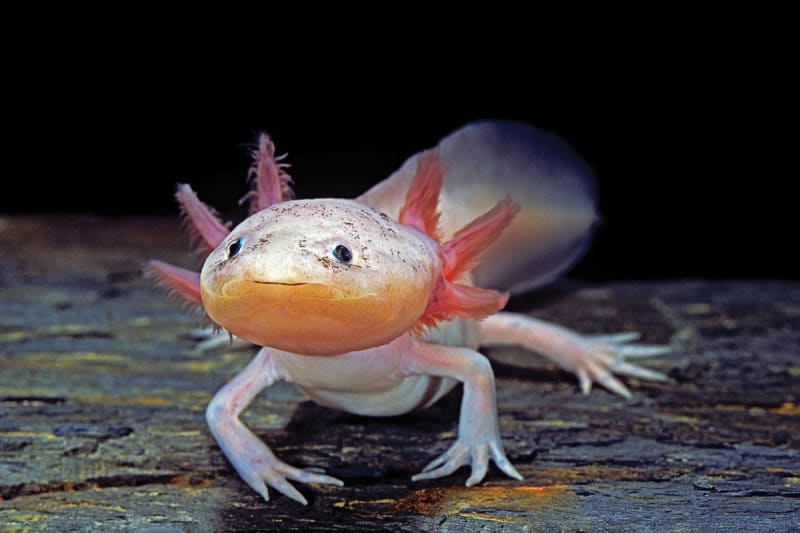
Axolotls Regrow Complex Immune Organ From Scratch
Scientists discovered axolotls can completely regenerate their thymus, a complex immune organ that humans can't rebuild. The breakthrough could one day help reverse immune aging in people.
Find uplifting stories about heroes, innovations, and solutions
1546 results for "immunization"
Scientists discovered axolotls can completely regenerate their thymus, a complex immune organ that humans can't rebuild. The breakthrough could one day help reverse immune aging in people.

Scientists are launching a groundbreaking trial to rejuvenate exhausted immune cells in older adults and people with chronic diseases. The therapy could help immune systems function like they're young again.

People who live past 100 have a remarkable secret: their bodies produce special killer immune cells that fight disease and aging. Japanese researchers discovered these rare cells multiply after age 100, suggesting our immune systems can still adapt even after a century of life.
Scientists discovered that a specific immune signal helps zebrafish regrow damaged spinal cords completely, opening a new path for human nerve repair research. The molecule Il-4, released by specialized immune cells, calms inflammation and allows injured nerves to heal.
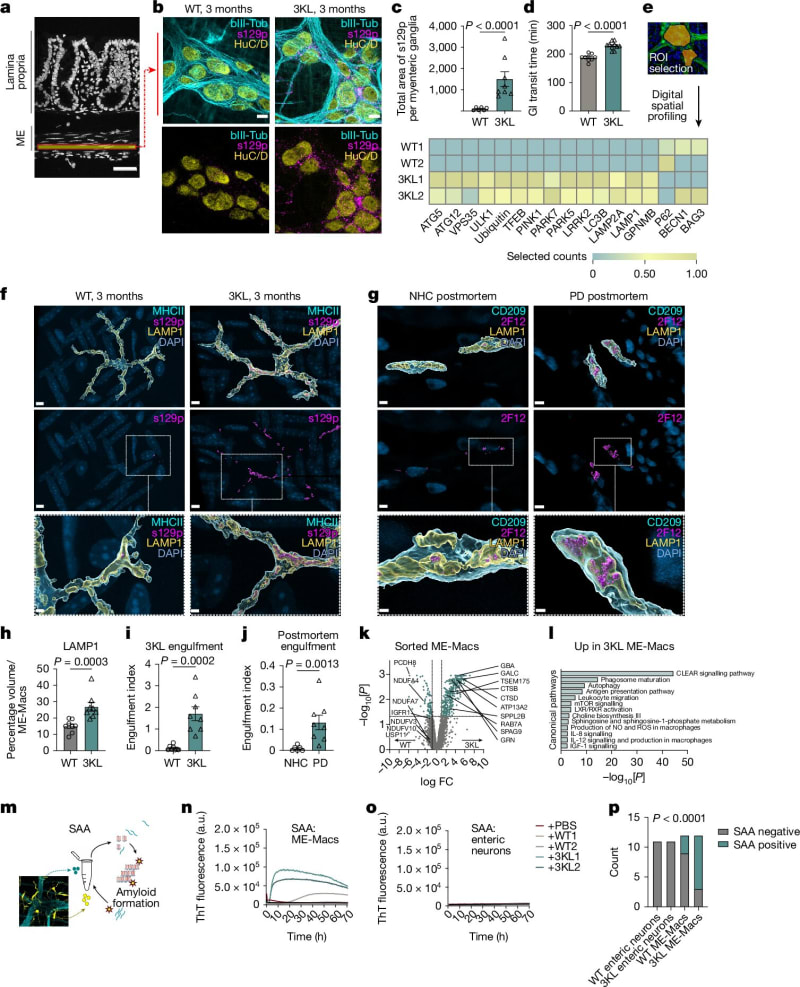
Scientists discovered how Parkinson's travels from the gut to the brain through immune cells, opening the door to catching the disease decades before symptoms appear. In mice, reducing these immune cells stopped the toxic proteins from spreading and improved movement problems.

A 19-year-old from Kelowna, B.C., became the first Canadian cured of a life-threatening immune disease using groundbreaking gene editing technology. His doctor says he no longer needs to worry about deadly infections sneaking past his weakened immune system.
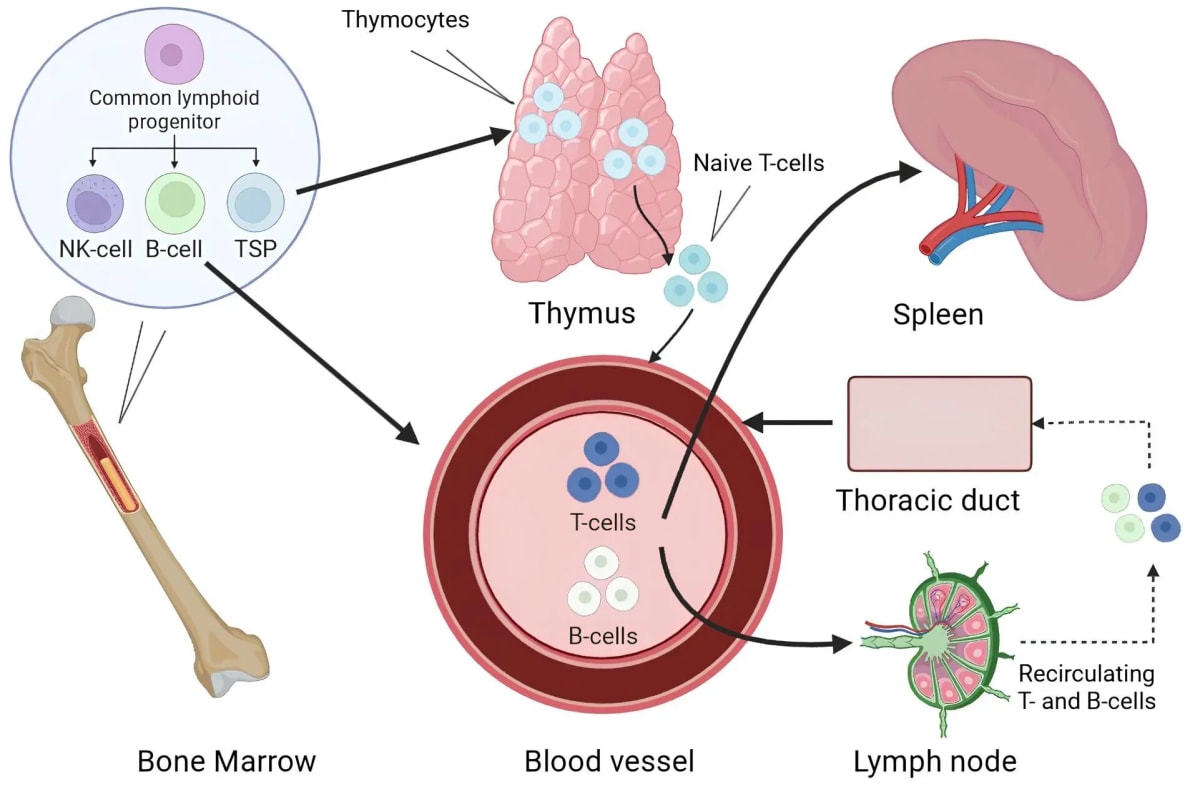
Researchers discovered that restoring thymus function could reverse immune decline in older adults. The breakthrough offers hope for better vaccines and cancer treatments for aging populations.
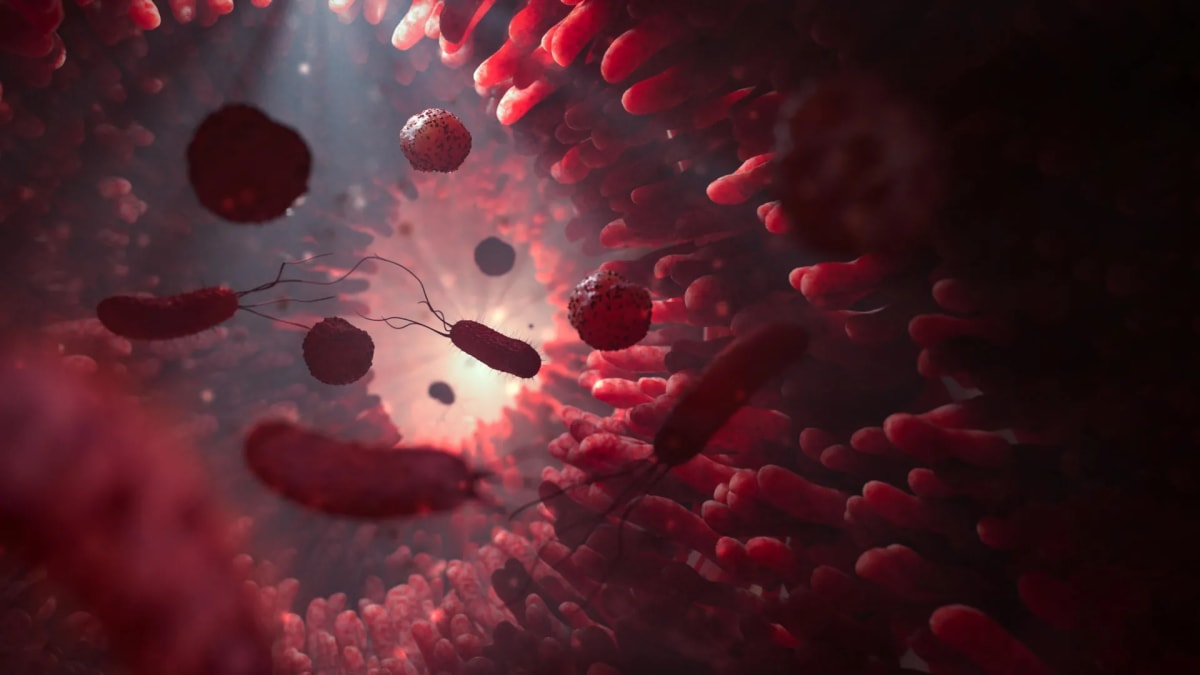
Scientists discovered that friendly gut bacteria can inject proteins directly into human cells, actively controlling immune responses. This breakthrough explains how the microbiome influences conditions like Crohn's disease.
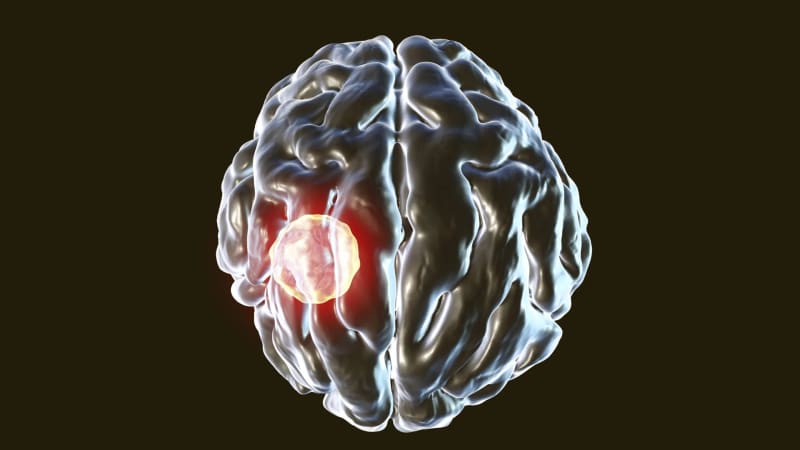
One in three people carry a brain parasite called Toxoplasma gondii, yet most never get sick. Scientists just discovered why: your immune cells have a built-in self-destruct switch that takes the invader down with them.
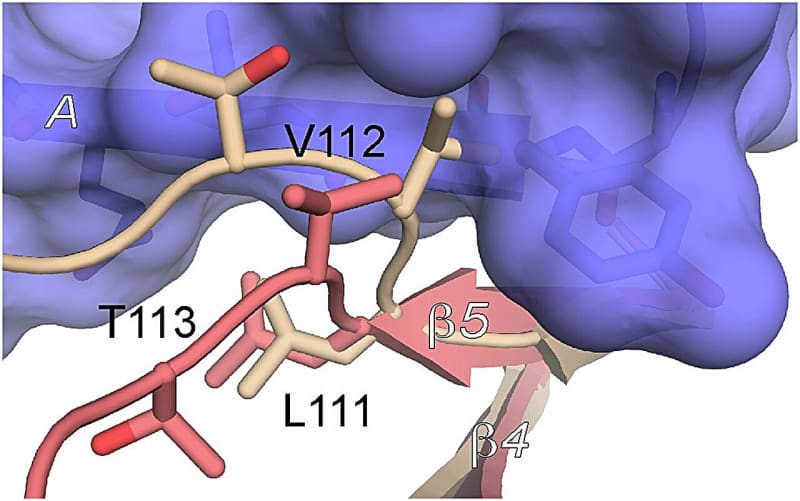
Researchers discovered how a vital protein acts as a "traffic controller" for our immune system and how a common virus learned to disable it. The breakthrough could lead to new treatments for autoimmune diseases by mimicking the virus's own tactics.

Scientists are launching a groundbreaking trial to rejuvenate tired immune cells in older adults, potentially turning back the biological clock on aging. The experimental therapy could help people fight disease as effectively at 70 as they did at 30.
Researchers discovered specialized immune sentinel cells inside hair follicles that help skin detect threats. This finding reveals how our skin actively monitors dangers despite its thick, protective layers.
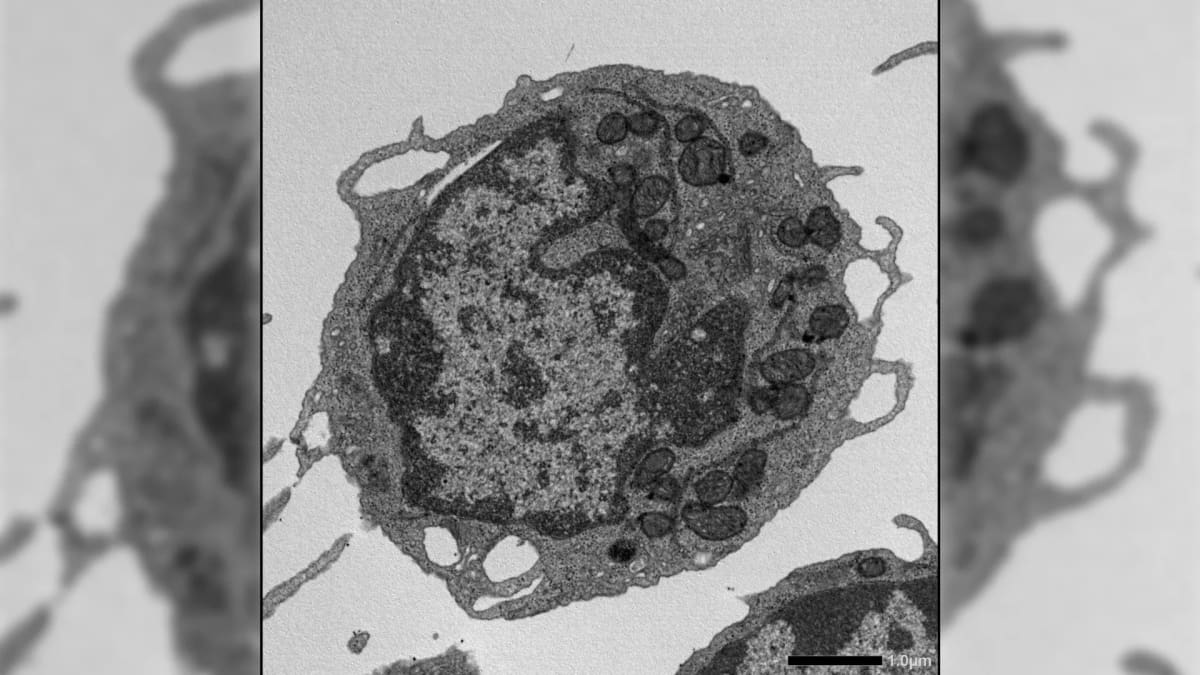
Researchers discovered that blocking a "death protein" keeps blood stem cells healthier and stronger as they age. The breakthrough could lead to new ways to maintain a youthful immune system.
Researchers discovered how zebrafish regrow damaged spinal cords using a special immune molecule called Il-4. The breakthrough could one day help humans recover from paralysis.

Scientists explain why vaccines work like athletic training for your immune cells, preparing them to fight disease before you ever get sick. As measles outbreaks return to previously protected countries, understanding this science matters more than ever.
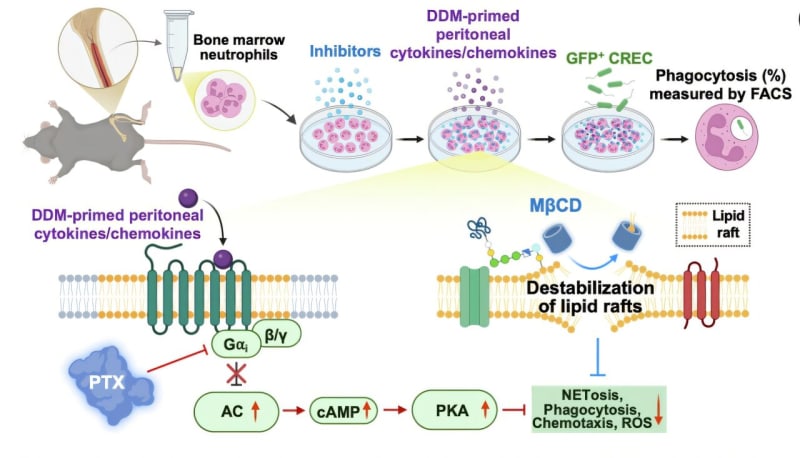
Scientists in South Korea discovered a drug ingredient that primes the immune system to fight deadly infections before they strike. When mice received this treatment one day before exposure, they survived infections that killed every untreated animal.
Researchers at McGill University discovered that T cells can sense the physical stiffness of tissues around them, changing how we understand immunity. This breakthrough could lead to better treatments for autoimmune diseases and cancer.

A pediatrician explains that children who play in mud and spend time outdoors develop stronger immune systems. Overly sanitized environments may increase the risk of allergies and asthma.
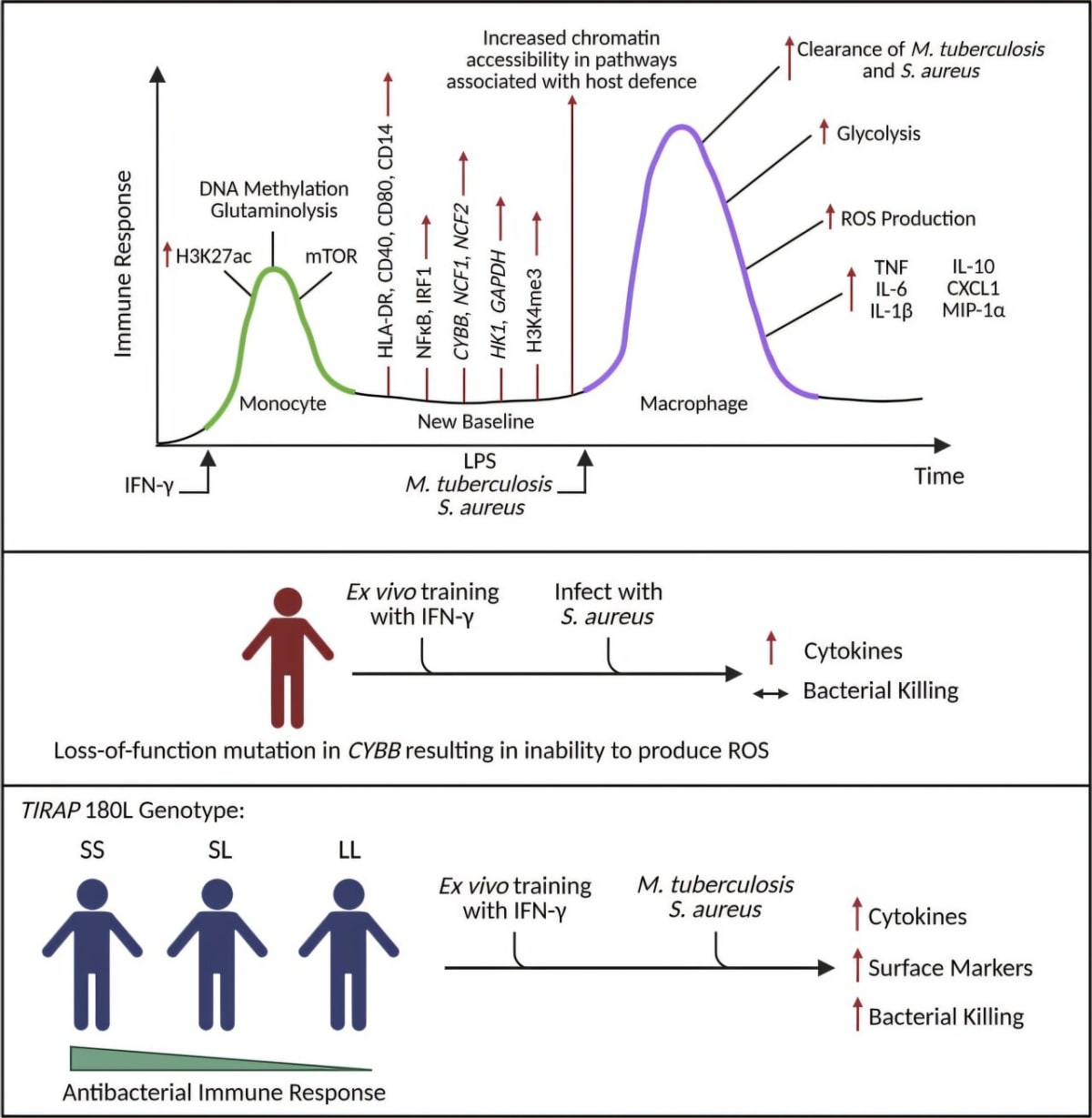
Scientists at Trinity College Dublin have discovered a way to "train" immune cells to fight deadly superbugs like MRSA and tuberculosis without using antibiotics. The breakthrough could help people most vulnerable to infections fight back when traditional medicines fail.
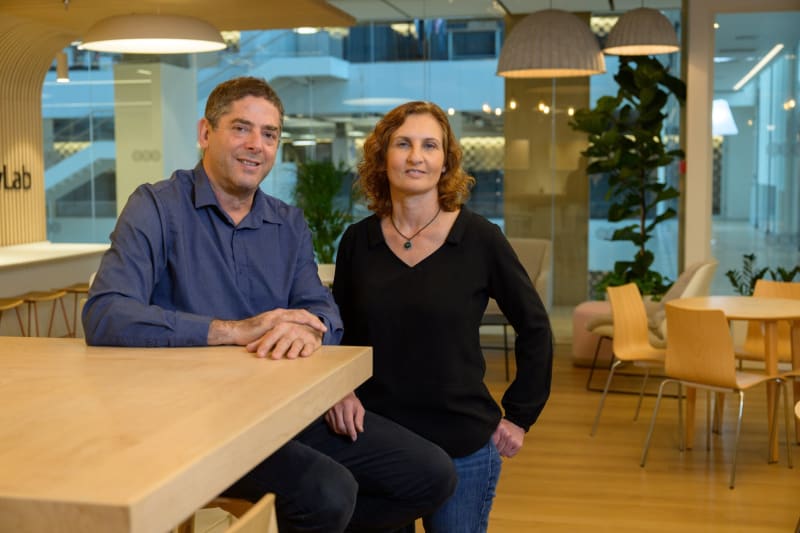
A groundbreaking study from Israel reveals how gut bacteria actively strengthen immune defenses in people with HIV, opening doors to new treatments. Despite war and missile attacks threatening the research, a husband-wife team persevered to publish findings that could help 40 million people worldwide.
Showing 20 of 1546