Gut Immune Cells May Stop Parkinson's Before Brain Damage
Scientists discovered how Parkinson's travels from the gut to the brain through immune cells, opening the door to catching the disease decades before symptoms appear. In mice, reducing these immune cells stopped the toxic proteins from spreading and improved movement problems.
Imagine detecting Parkinson's disease decades before it reaches your brain, when it's still just causing constipation in your gut.
Scientists at University College London just figured out how Parkinson's makes its journey from the digestive system to the brain. The discovery could let doctors intervene long before tremors or movement problems ever begin.
For years, researchers noticed something curious. Between 50 and 90 percent of Parkinson's patients had gut issues decades before their hands started shaking. Some experienced chronic constipation 20 or 30 years before diagnosis.
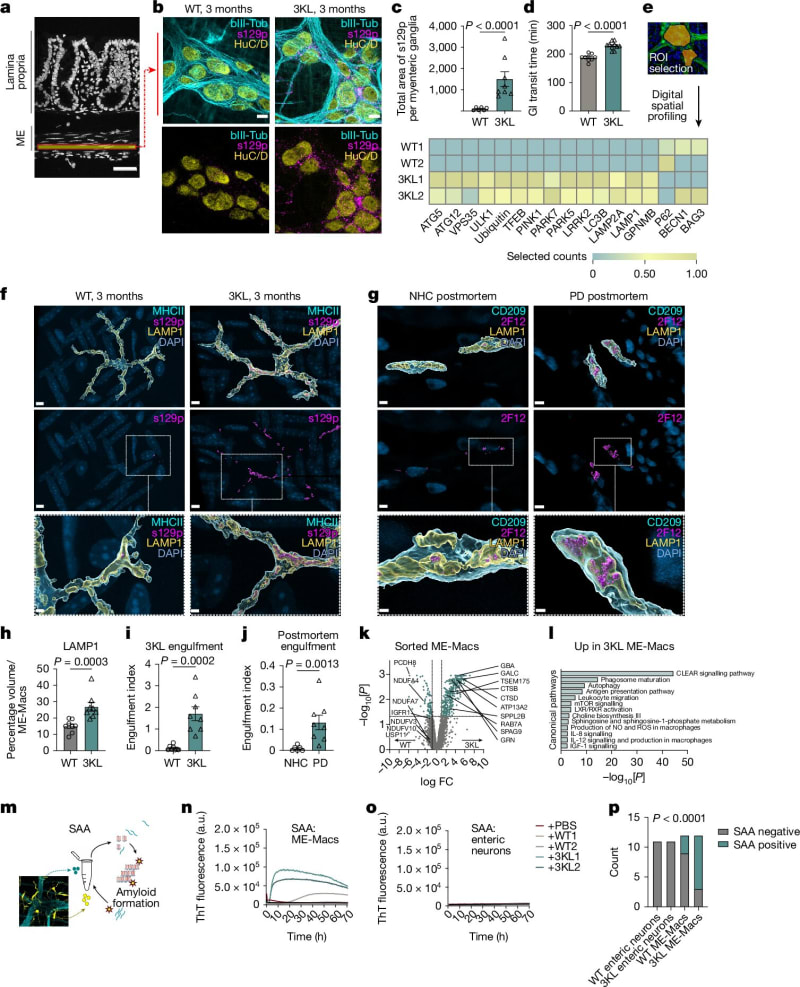
The new study, published in Nature, finally explains the connection. Scientists isolated toxic proteins called alpha-synuclein from the brains of people who died with Parkinson's. They inserted tiny amounts into the small intestines of mice and watched what happened.
Gut macrophages, immune cells that normally protect us by destroying harmful invaders, swallowed the toxic proteins. But instead of breaking them down properly, these cells malfunctioned. They then sent distress signals to T cells, which traveled from the gut into the brain, carrying the disease with them.
Here's where it gets exciting. When researchers reduced the number of gut macrophages before introducing the toxic proteins, the mice had less brain damage and better movement. The immune cells weren't just innocent bystanders. They were actively, though unintentionally, helping the disease spread.
The Ripple Effect
This discovery opens multiple paths to help the two thirds of Parkinson's patients whose disease starts in the body rather than the brain directly. Doctors might develop simple blood tests to screen for inflammation markers years before symptoms appear. They could create drugs that either boost immune cell function or prevent them from carrying toxic proteins to the brain.
Dr. Soyon Hong, who led the research, sees opportunity in the dysfunction. These gut immune cells are responding incorrectly, which means scientists can work on making them respond correctly instead. Dr. Tim Bartels notes that neurodegenerative diseases progress slowly over decades, giving a wide window for intervention.
The team's next steps include finding ways to turn the body's immune response from harmful to helpful. They're also investigating blood markers that could make Parkinson's screening as routine as checking cholesterol.
For millions living with the fear of Parkinson's, especially those with family histories, this research offers something precious: the possibility of stopping the disease before it truly begins.
More Images
Based on reporting by Medical Xpress
This story was written by BrightWire based on verified news reports.
Spread the positivity!
Share this good news with someone who needs it