Scientists Find Immune Cells Can 'Feel' Their Surroundings
Researchers at McGill University discovered that T cells can sense the physical stiffness of tissues around them, changing how we understand immunity. This breakthrough could lead to better treatments for autoimmune diseases and cancer.
Your immune system just got a lot more interesting than scientists ever imagined.
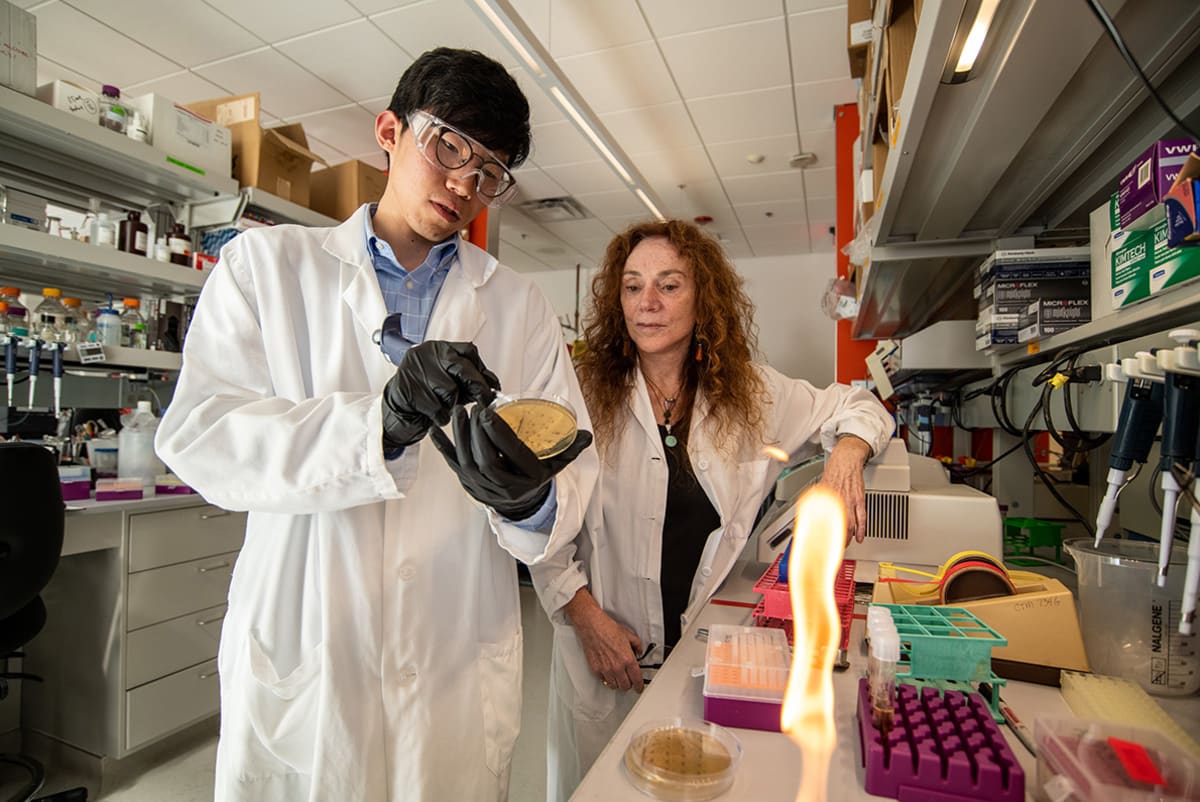
Researchers at McGill University have discovered that T cells possess a remarkable ability: they can actually feel the physical texture of the tissues they're in. For years, scientists believed these crucial immune cells responded only to chemical signals, but this groundbreaking study published in Nature Immunology reveals they're also sensing mechanical forces.
The discovery centers on tissue resident memory T cells, the specialized defenders that stick around in your body long after an infection clears. These cells act like security guards stationed at previous break-in sites, ready to respond instantly if the same threat returns.
Professor Judith Mandl, who led the study, explains that T cells can detect whether surrounding tissue is soft or stiff, and they use this information to decide whether to become long-lived memory cells. "It suggests T cells can 'feel' their surroundings and adapt to them, making the physical environment an active force in shaping their behaviour," she said.
The team tested this by placing immune cells from humans and mice into specially engineered collagen gels of varying stiffness. The results were clear: stiffer environments encouraged T cells to develop into tissue resident memory cells, the type associated with lasting immune protection.
Why This Inspires
This discovery opens exciting new doors for medical treatment. For people with autoimmune diseases, allergies, or transplant complications, where T cells mistakenly attack healthy tissue, understanding how physical environments influence these cells could lead to targeted therapies that work with the body's natural sensing abilities.
The cancer implications are equally promising. Tumors create dense, physically challenging environments that immune cells struggle to penetrate. By understanding how T cells adapt to tough physical conditions, researchers could design immunotherapies that better navigate and attack tumors.
The research team's next goal is identifying the specific molecular sensor that allows T cells to translate physical force into biological action. Think of it as finding the exact mechanism that gives these cells their sense of touch.
This international collaboration involved researchers from McGill's Department of Physiology, the Alan Edwards Centre for Research on Pain, and partner institutions in the Netherlands and United States. The work was supported by major research organizations including the Canadian Institutes of Health Research and the U.S. National Institutes of Health.
Your immune system isn't just chemically smart—it's physically aware, feeling its way toward keeping you healthy.
Based on reporting by Google News - Scientists Discover
This story was written by BrightWire based on verified news reports.
Spread the positivity!
Share this good news with someone who needs it