Scientists Reverse Brain Damage in Huntington's Mice
Berkeley Lab researchers discovered that simple antioxidants can prevent brain cell death in Huntington's disease, opening a faster path to human trials than gene therapy. The breakthrough reveals the fatal disease attacks the brain through DNA damage, not just genetic mutations.
For the first time, scientists have stopped brain damage from Huntington's disease in mice using a treatment that could reach human patients much faster than experimental gene therapies.
Researchers at Lawrence Berkeley National Laboratory solved a puzzle that has stumped the medical world for decades. Huntington's disease kills brain cells through a second, hidden pathway that past treatments never targeted.
The fatal inherited disease affects about 30,000 Americans, with another 200,000 at risk of inheriting the mutated gene. Symptoms usually begin in adulthood, causing loss of muscle control, cognitive decline, and death within 10 to 30 years. Despite worldwide research efforts, no cure exists.
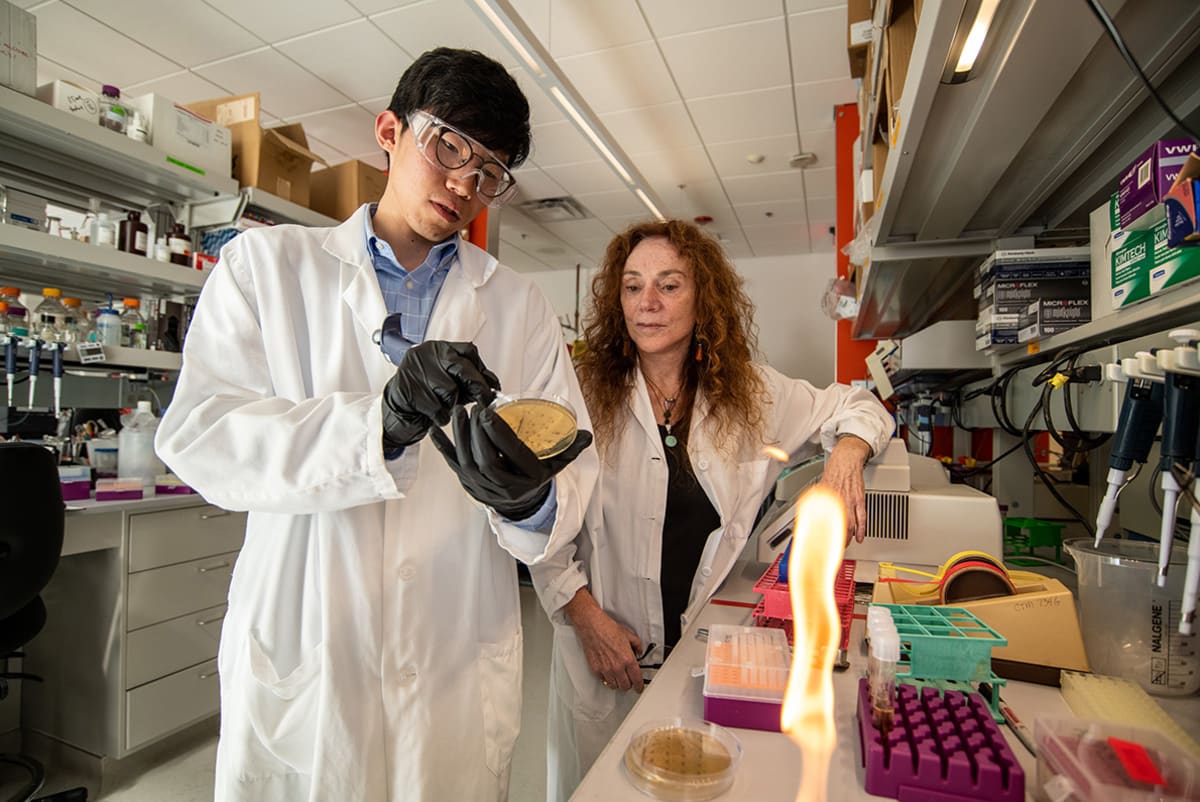
Lead scientists Aris Polyzos and Cynthia McMurray discovered that brain support cells in Huntington's patients switch from burning glucose to burning fatty acids for fuel. This metabolic shift creates harmful byproducts called reactive oxygen species that shred DNA throughout the genome.
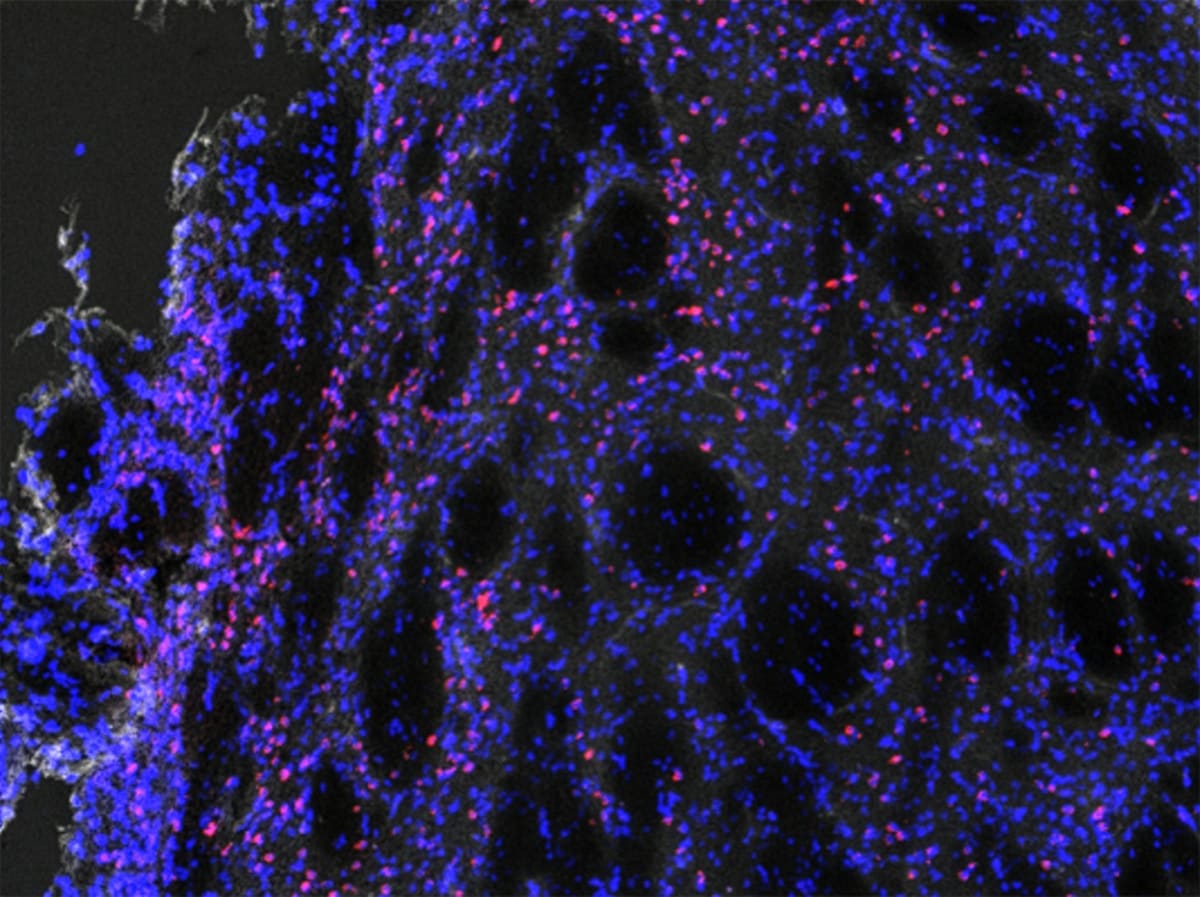
The team found the mutated huntingtin protein interferes with the body's natural DNA repair systems, allowing breaks to accumulate until brain cells die. This damage happens separately from the gene mutation itself, explaining why treatments targeting only the genetic defect have failed in human trials.
The breakthrough came when researchers tested an investigational antioxidant compound in mice with Huntington's. The treatment suppressed DNA breaks and rescued neurons from damage, reversing disease symptoms without editing genes or stopping the mutation from expanding.
"The simplicity of the approach is beautiful," said McMurray, who studied Huntington's for decades at Mayo Clinic and Berkeley Lab. Past approaches tried complicated interventions like gene editing and blocking gene expression, but none translated into real help for patients.
Why This Inspires
The discovery opens a completely new treatment pathway using compounds already approved for human testing. Clinical antioxidant agents that reduce DNA breaks exist today and could move to trials quickly, potentially helping patients within years instead of decades.
The research shows that disease symptoms are preceded by DNA damage that can be reversed, even without altering the underlying genetic mutation. McMurray and Polyzos proved the disease unfolds on two parallel paths, and scientists had only been targeting one.
The next step is confirming these findings in human cells and demonstrating neuron protection, which would lead directly to clinical trials. The team published their decade-long study in Nature Communications after first noticing metabolic changes in diseased brain regions ten years ago.
For families devastated by Huntington's, this research offers the first genuinely new hope in a generation.
More Images


Based on reporting by Google News - Disease Cure
This story was written by BrightWire based on verified news reports.
Spread the positivity!
Share this good news with someone who needs it