MIT Finds Brain Circuits That Switch Tasks Like Legos
Scientists discovered brain circuits that can change jobs on the fly, storing different types of memories with the same neurons. This finding reveals how our brains accomplish countless tasks without needing separate circuits for each one.
Your brain just pulled off something remarkable: it remembered what you need from the store, recalled where you parked, and planned your route home, all without breaking a sweat. Now scientists at MIT have discovered how it manages this everyday magic.
Researchers found clusters of neurons in the brain's prefrontal cortex that can switch between storing different types of information, like workers who excel at multiple jobs. The same group of neurons that remembers a sound can later store an action plan, proving our brains are far more flexible than previously thought.
The team trained mice to listen to two tones and decide whether they matched. While the animals worked through this task, scientists recorded electrical signals from thousands of neurons in their brains. They focused on two brain regions: the prefrontal cortex, which handles planning and decisions, and the parietal cortex, which processes sensory information.
The results surprised them. In the parietal cortex, neurons stuck to one job, storing only tone memories. But in the prefrontal cortex, they found something different. Certain neuron clusters could store a memory of the first tone, then completely switch gears to hold the animal's action plan.
"We found that the brain doesn't dedicate a separate group of neurons for every type of information," says Yuma Osako, an MIT postdoc who led the study. "Instead, it uses the same populations of neurons to perform the same computation on different kinds of information."
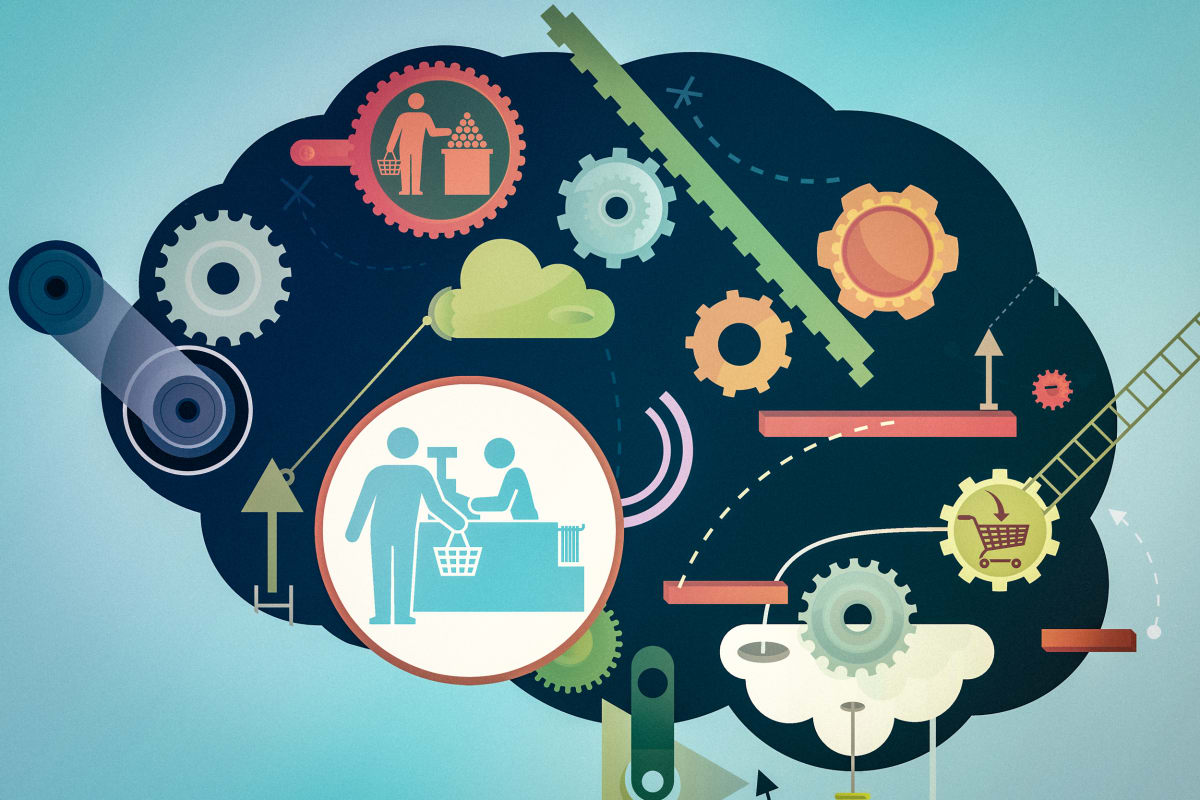
Think of it like cognitive Legos. Rather than building a separate, specialized tool for every single task we encounter, our brains mix and match reusable components. This explains how we can navigate an endless variety of situations with only a finite number of brain cells.
The discovery supports a theory researchers have held for years: that the brain works through compositionality, assembling pieces of different cognitive tasks like building blocks to create new behaviors. Last year, researchers at Princeton showed that animals combine these neural building blocks when categorizing objects. Now this MIT study proves the blocks themselves can serve multiple purposes.
Why This Inspires
This research offers a beautiful reminder that our brains are designed for unlimited possibility. With finite resources, we can learn infinite skills, adapt to countless situations, and keep growing throughout our lives.
The finding could also help scientists understand conditions where cognitive flexibility breaks down, potentially leading to better treatments. Mriganka Sur, professor of neuroscience at MIT's Picower Institute, notes that understanding these flexible circuits shows us how the brain supports "mixing and matching toward flexible cognition."
Every day, your brain performs this quiet miracle, effortlessly juggling memories, plans, and sensations using circuits that adapt on the fly.
Based on reporting by MIT News
This story was written by BrightWire based on verified news reports.
Spread the positivity!
Share this good news with someone who needs it