Scientists Find Immune Superpowers in People Over 100
People who live past 100 have a remarkable secret: their bodies produce special killer immune cells that fight disease and aging. Japanese researchers discovered these rare cells multiply after age 100, suggesting our immune systems can still adapt even after a century of life.
Your immune system might have a hidden superpower that kicks in after your 100th birthday.
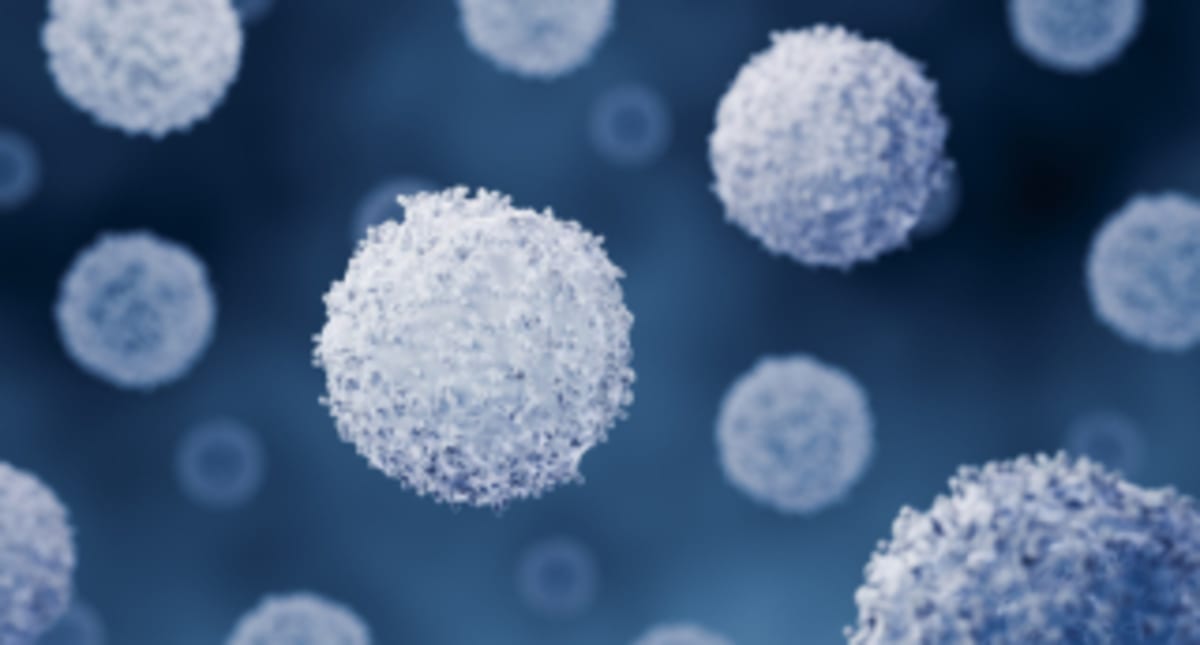
Scientists studying the blood of supercentenarians—people who live beyond 110—discovered they have unusually high levels of special white blood cells called CD4 cytotoxic T lymphocytes. These rare immune cells don't just coordinate your body's defense system. They actually hunt down and destroy harmful cells, targeting viruses, inflammation, and even cancer.
The discovery gets even more exciting. Researchers at the University of Osaka analyzed more than 40,000 immune cells from 28 people across different age groups. They found these protective cells increase and clone themselves after people turn 100, meaning they're actively working to keep the body healthy.
"These findings suggest that the increase is not simply a passive consequence of aging but may reflect an adaptive response," says lead researcher Kosuke Hashimoto. The cells appear to be fighting persistent threats, multiplying their numbers to protect their hosts.
The study compared eight people aged 70 to 99, 10 centenarians, and 10 supercentenarians. The oldest participants had the highest levels of these killer cells. When researchers used machine learning to analyze 1,500 people of all ages, they found the same pattern: the older you get, the more of these cells you have.
When these CD4 CTLs detect a threat, they create copies of themselves to attack it. The team found that supercentenarians had many cellular clones, confirming the cells were actively battling harmful invaders. Previous research shows they specifically target inflammation and damage from cellular aging.
The Bright Side
While scientists caution that more research is needed, the discovery opens exciting possibilities. Some younger people also have high levels of these protective cells, which could help researchers understand how to boost longevity for everyone.
The finding challenges common assumptions about aging. Instead of our bodies simply wearing down over time, this research suggests our immune systems can adapt and strengthen, even after 100 years of use.
Future studies will explore what these cells target and whether we can harness their power earlier in life.
For now, the research offers a hopeful message: our bodies may be more resilient than we ever imagined.
More Images




Based on reporting by Scientific American
This story was written by BrightWire based on verified news reports.
Spread the positivity!
Share this good news with someone who needs it