Scientists Find Key to Reversing Immune Aging
Researchers discovered that restoring thymus function could reverse immune decline in older adults. The breakthrough offers hope for better vaccines and cancer treatments for aging populations.
Scientists just identified a promising target that could help millions of people stay healthier as they age.
A new review published in Ageing and Cancer Research & Treatment reveals that the thymus, a small organ above the heart, may be the master switch controlling how our immune systems age. Researchers from Southern University of Science and Technology found that rejuvenating this single organ could reverse many effects of immune decline.
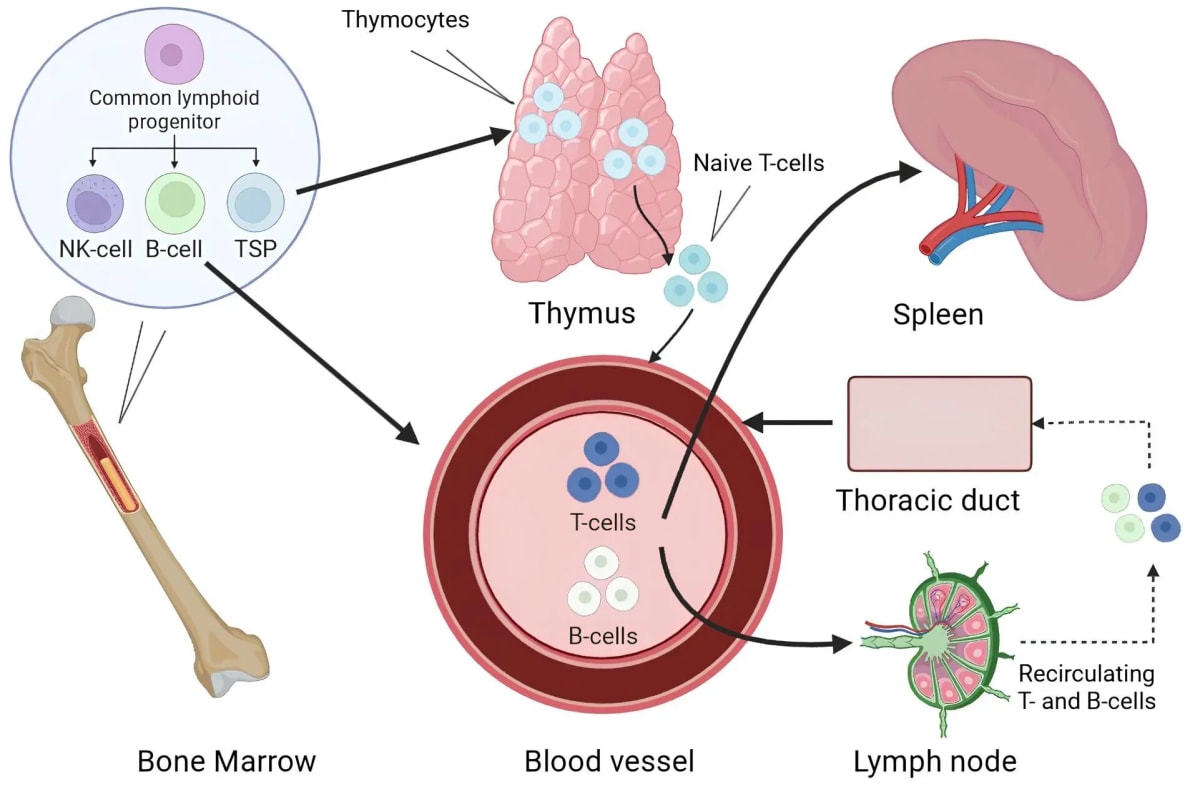
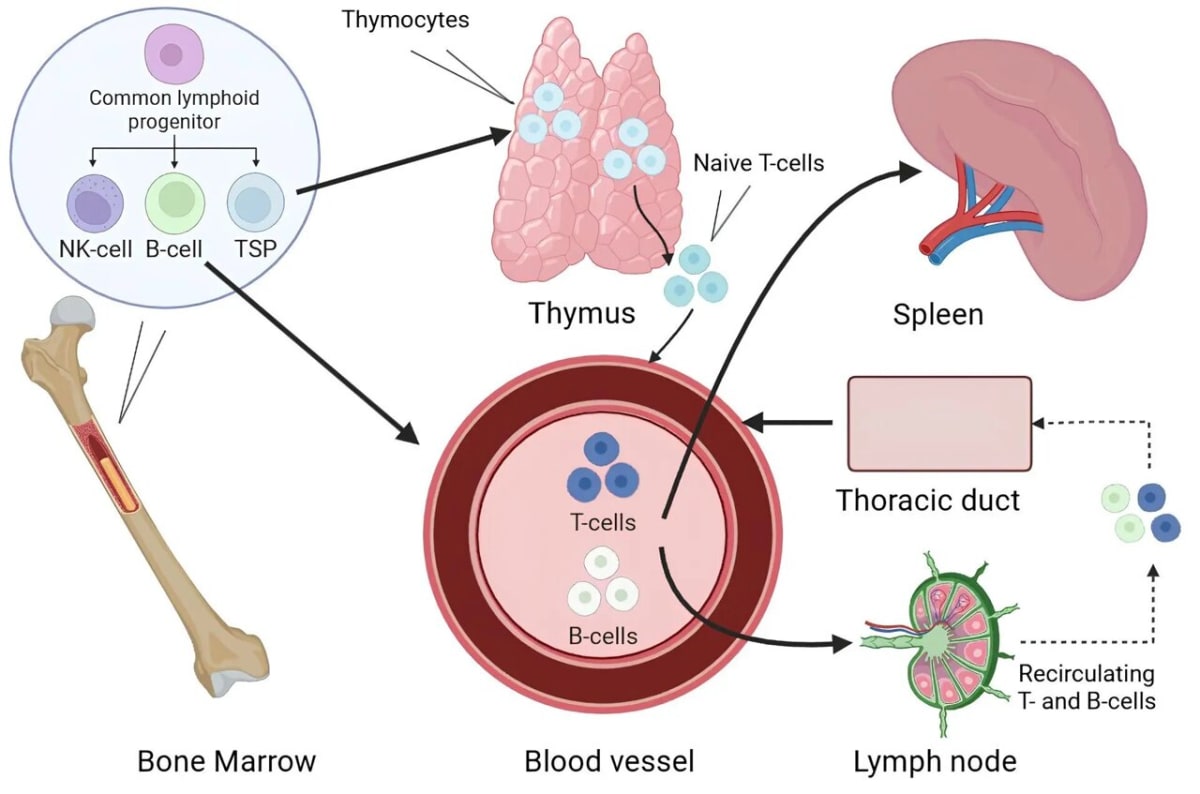
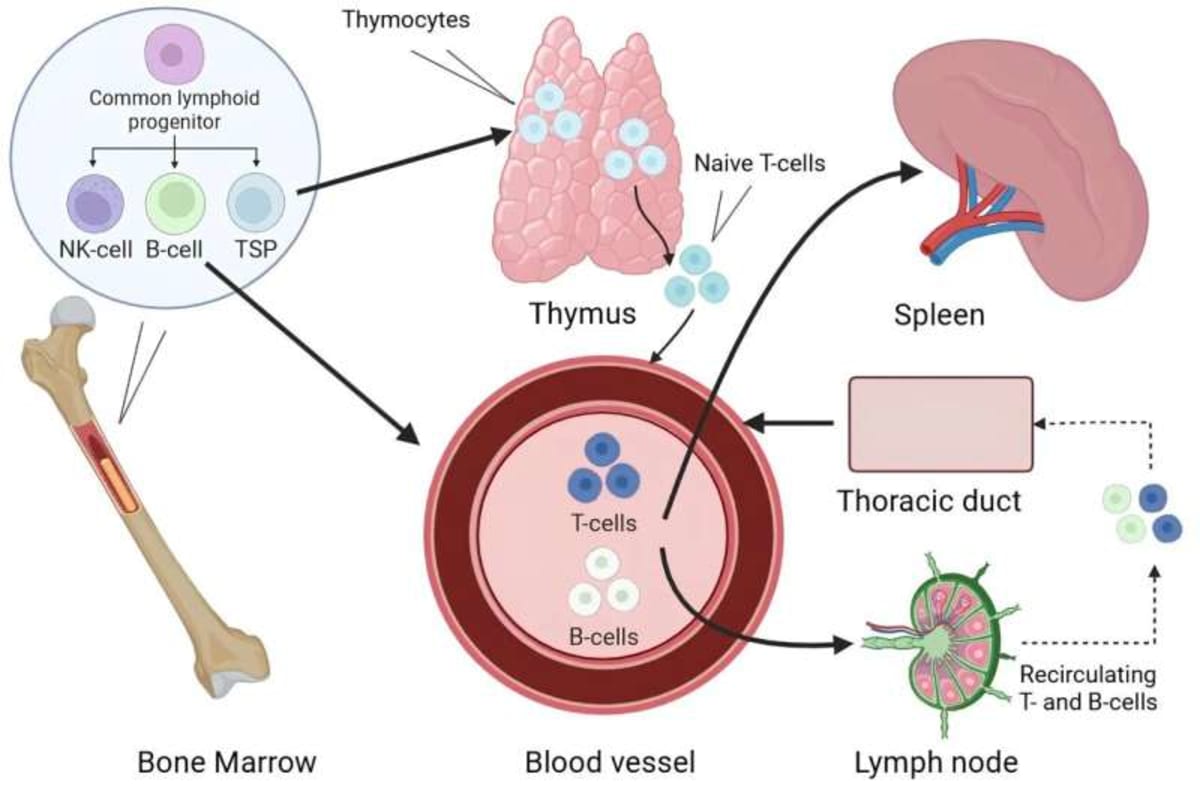
The thymus acts like a training academy for T cells, the immune system scouts that recognize new threats like viruses and bacteria. But it's one of the first organs to shrink with age, losing its ability to produce fresh, ready-to-learn immune cells. By the time we're older adults, our immune system relies mostly on old memories instead of staying alert to new dangers.
This explains why older adults struggle more with new infections, respond poorly to vaccines, and see less success with cutting-edge cancer treatments. Without fresh T cells, the immune system can't adapt to emerging threats or support powerful immunotherapies like CAR-T cell therapy.
The research team identified specific biomarkers that measure thymic decline, giving scientists clear targets to track. These measurements show exactly how much the thymus weakens over time and whether treatments actually work.
The Ripple Effect
The implications stretch far beyond preventing the occasional cold. Thymic decline drives "inflammaging," a state of chronic low-grade inflammation that fuels heart disease, Alzheimer's, and other age-related conditions that affect millions worldwide.
But here's where it gets exciting: scientists are already developing ways to restore thymic function. The review outlines three promising approaches including genetic reprogramming of thymic cells, drugs that slow organ shrinkage, and bioengineered tissue regeneration.
Rather than accepting immune decline as inevitable, researchers now view the thymus as a fixable problem. Targeting this one organ could improve vaccine responses, boost cancer treatment success, and help people maintain stronger immunity throughout their lives.
The research team examined thymic aging patterns across multiple species, revealing evolutionary clues about why this decline happens and how to stop it.
This discovery shifts aging research from managing countless symptoms to addressing a root cause that scientists can actually treat.
More Images
Based on reporting by Medical Xpress
This story was written by BrightWire based on verified news reports.
Spread the positivity!
Share this good news with someone who needs it