Scientists Find Way to Keep Immune System Young
Researchers discovered that blocking a "death protein" keeps blood stem cells healthier and stronger as they age. The breakthrough could lead to new ways to maintain a youthful immune system.
Scientists just figured out how to stop aging where it starts, and it all comes down to a protein that's been sabotaging our cells in secret.
Researchers at The University of Tokyo and St. Jude Children's Research Hospital discovered that a protein called MLKL doesn't just kill cells like scientists thought. Instead, it sneaks into the power plants of our blood stem cells and slowly drains their energy, weakening our immune systems over time.
Blood stem cells are like the factory workers of our immune system, constantly making fresh blood cells to keep us healthy. As we age, these cells get tired and make fewer of the immune cells we need to fight infections. Scientists knew this happened, but they didn't know exactly why.
The research team, led by Dr. Masayuki Yamashita, stumbled onto something surprising while studying mice. When they removed the MLKL protein from mice under stress, the animals' stem cells stayed remarkably young and energetic. The twist? The cells weren't dying any less often. Something else was happening.
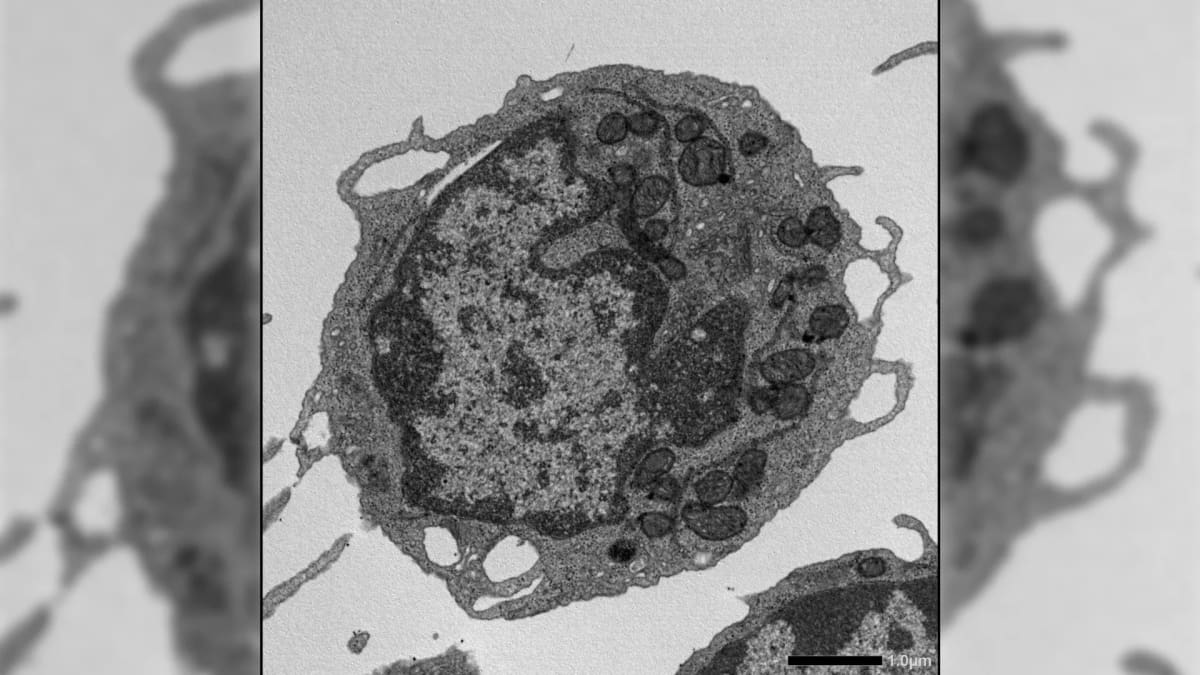
Using advanced imaging and genetic techniques, the researchers watched MLKL travel to the mitochondria, the tiny structures that power our cells. Once there, it damaged the energy production system, causing the exact problems we see in aging: weaker cells, imbalanced immune systems, and less ability to bounce back from stress.
When the scientists blocked MLKL in older mice, the results were striking. The stem cells kept their strength, produced healthier immune cells, and showed less damage overall. The cells acted younger, even though the animals weren't.
The Bright Side
What makes this discovery so promising is that it points to a single, specific target. Unlike vague advice about healthy aging, this research identifies an exact protein that could be turned off with future treatments.
The findings also revealed that MLKL works differently than expected. Instead of changing which genes turn on or off, it directly damages cellular machinery. That means potential treatments could work faster and more directly than approaches that try to reprogram entire cells.
The study, published in Nature Communications in April 2026, used multiple types of genetically modified mice and stressed them in ways that mimic natural aging. Every test showed the same pattern: removing MLKL protected stem cells from age-related decline.
This doesn't mean an anti-aging pill is around the corner, but it does give scientists a clear path forward. Keeping our immune systems strong as we age could mean fewer infections, better vaccine responses, and healthier lives overall.
The next steps involve figuring out how to safely block MLKL in humans without disrupting the protein's normal protective roles. Clinical trials could begin within the next few years if early drug development goes well.
For now, this research reminds us that aging isn't inevitable at every level, and each discovery brings us closer to living not just longer, but better.
Based on reporting by Health Daily
This story was written by BrightWire based on verified news reports.
Spread the positivity!
Share this good news with someone who needs it