Simple Writing Test May Detect Cognitive Decline Early
Portuguese researchers discovered that a basic dictation task can reveal signs of cognitive decline in older adults through timing and stroke patterns. This breakthrough could transform how doctors screen for dementia using nothing more than pen and paper.
A pen, paper, and a simple sentence might become one of medicine's most powerful early warning systems for cognitive decline.
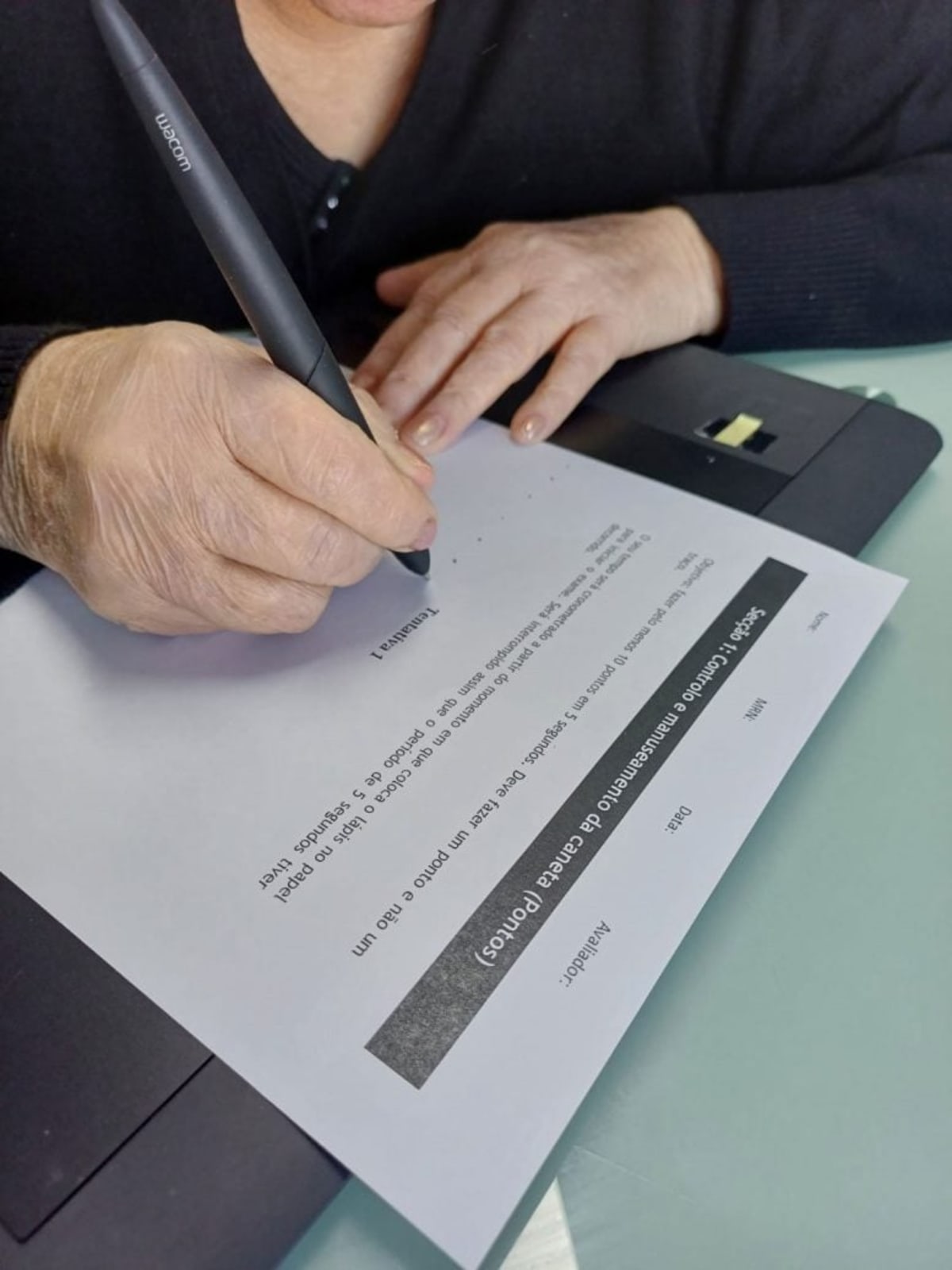
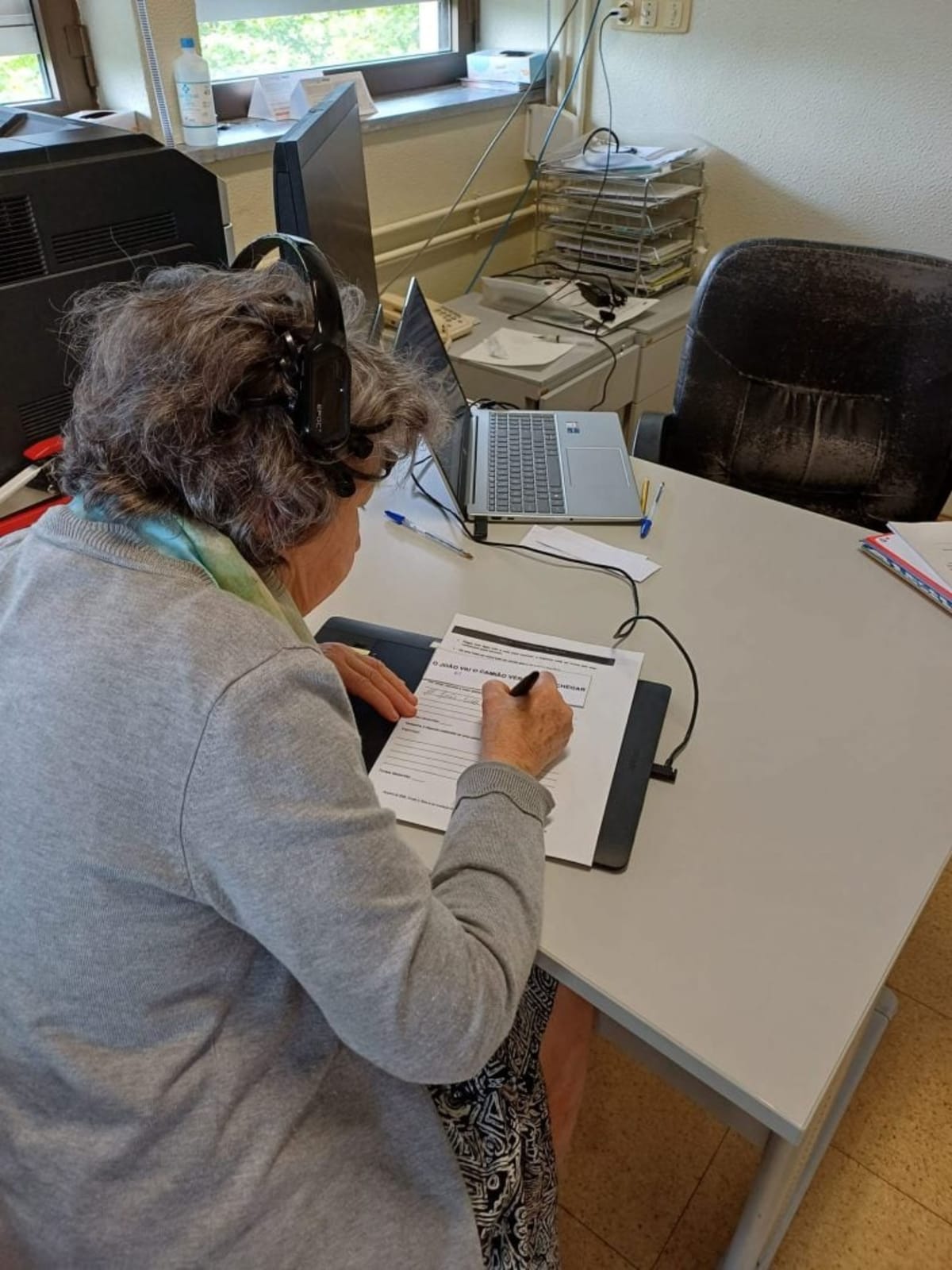
Researchers at the University of Évora in Portugal found that asking older adults to write from dictation revealed clear differences between those with cognitive impairment and those without it. The test doesn't require expensive equipment or specialized training, just a digital tablet and pen.
The study involved 58 adults aged 62 to 92 living in care homes. Participants completed various writing tasks, from drawing lines and dots to copying and writing sentences from dictation. Only the dictation exercises exposed meaningful differences between the groups.
Dr. Ana Rita Matias, who led the research, explains why dictation works where other tasks don't. "Dictation tasks are more sensitive because they require the brain to do multiple things at once: listen, process language, convert sounds into written form, and coordinate movement," she said.
Two measurements stood out during dictation. Adults with cognitive impairment took longer to start writing and used more strokes to form their letters. Their handwriting became slower, more fragmented, and less coordinated compared to peers without impairment.
The findings make sense when you understand what writing demands from your brain. Handwriting isn't just a motor skill. It requires working memory, executive function, and the ability to organize complex information all at once.
Why This Inspires
This research offers something rare in healthcare: a screening tool that's both effective and accessible. The method doesn't require MRI machines or expensive lab work. A doctor's office, nursing home, or community health center could use it tomorrow.
The potential reaches beyond detection too. Because the test is simple and quick, it could help doctors monitor cognitive health over time, catching subtle changes before they become severe. Early detection means earlier intervention, giving families more time to plan and patients more treatment options.
The approach is still being refined. Matias and her team want to conduct larger, longer studies with more diverse participants. They also need to understand how medications might affect handwriting patterns.
But the foundation is promising. The research points toward a future where routine cognitive screening is as simple as writing a sentence, making brain health monitoring available to everyone who needs it.
More Images

Based on reporting by Google News - Scientists Discover
This story was written by BrightWire based on verified news reports.
Spread the positivity!
Share this good news with someone who needs it