VR Therapy Cuts Needle Phobia in Teens in Just 2.5 Hours
A groundbreaking virtual reality therapy developed by Oxford University researchers successfully reduced needle fears in young people aged 12-15, offering hope for millions who avoid critical vaccinations. The automated treatment takes just 2.5 hours and could help the NHS reach its goal of eradicating cervical cancer by 2040.
Millions of teenagers who avoid life-saving vaccines because of needle phobia now have a proven solution that fits on a VR headset.
Researchers at the University of Oxford just published the first clinical trial showing that an automated virtual reality therapy dramatically reduces needle fears in adolescents. The treatment takes just 2.5 hours and works without requiring a live therapist, solving a critical access problem.
Needle phobia affects up to half of all teenagers, yet traditional therapy is nearly impossible to access because of therapist shortages. This fear has real consequences: the NHS currently vaccinates only 70-75% of adolescents against HPV, falling short of the 90-95% needed to eliminate cervical cancer by 2040. About one in five of those missing vaccinations are avoiding needles out of fear.
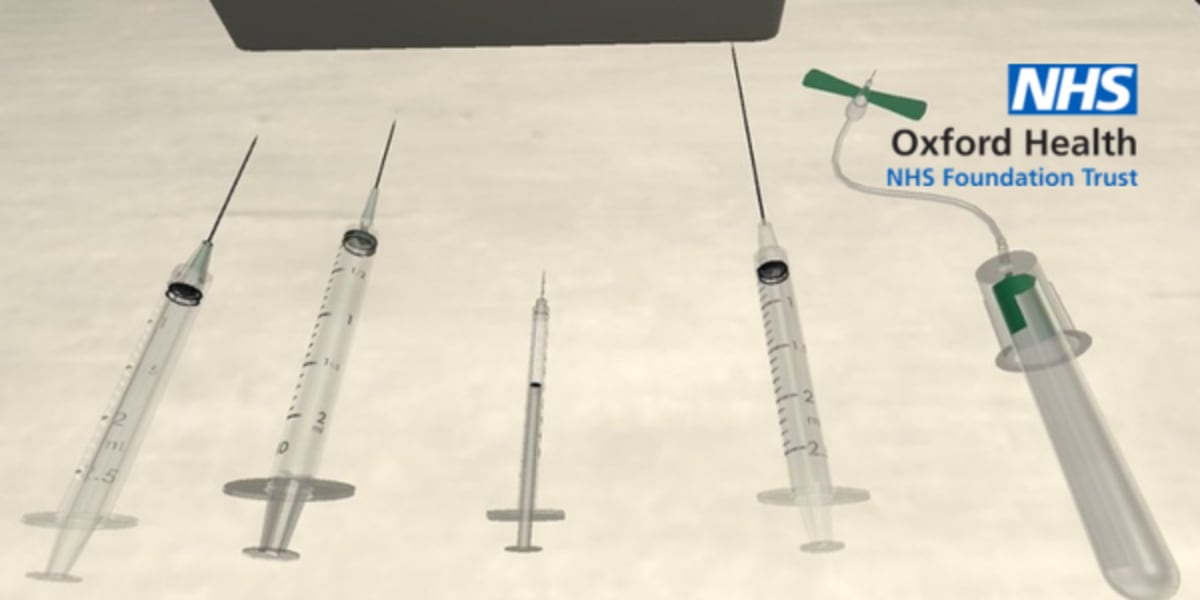
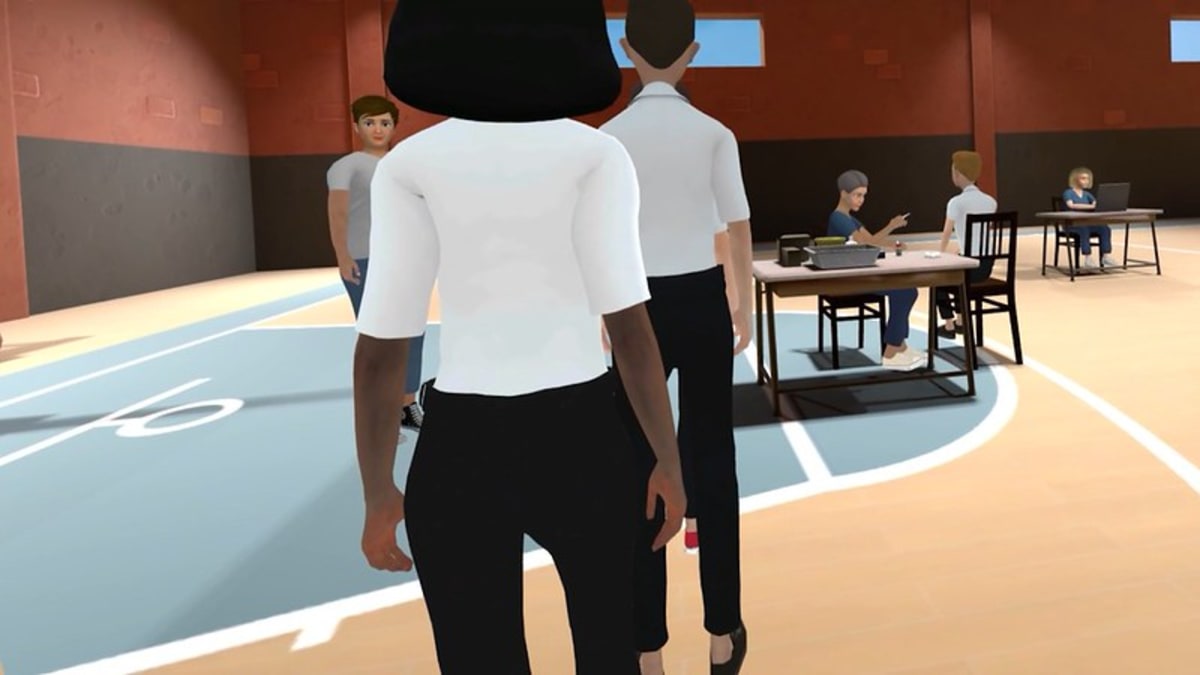
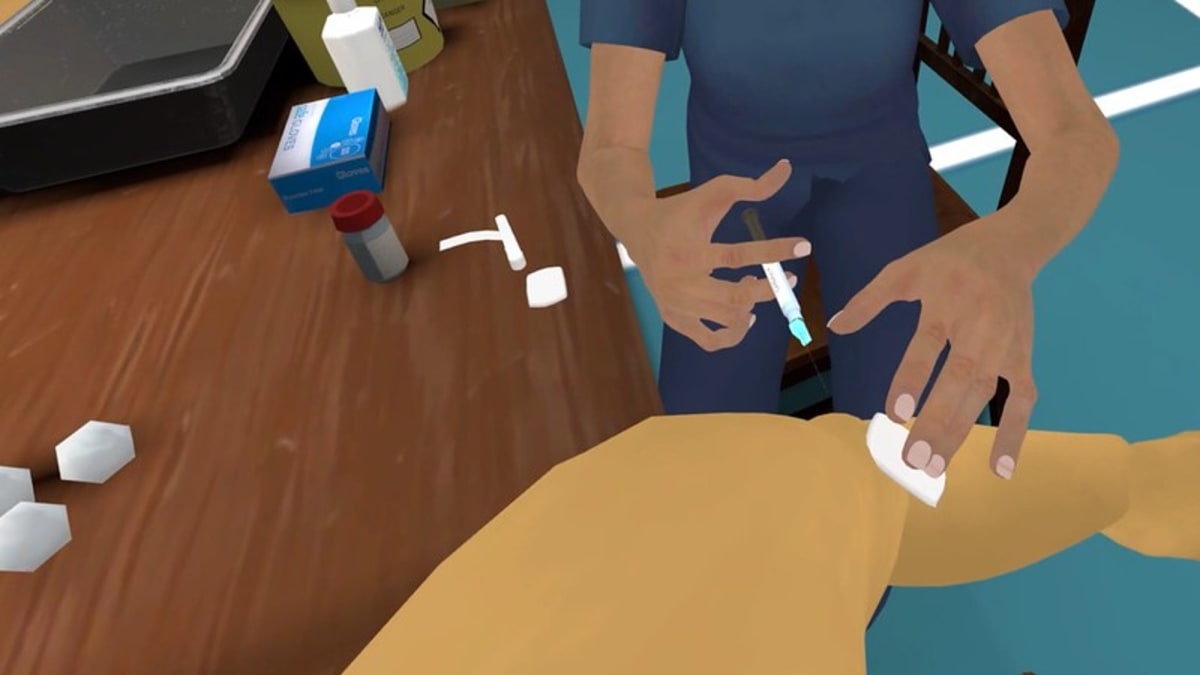
The VR program puts users in a virtual high school where a digital coach named Farah guides them through five progressive levels. Teenagers start by simply looking at virtual needles in display cases, then gradually work up to more challenging tasks like piercing balloons and injecting a virtual penguin. The final level involves a virtual nurse administering a real-looking vaccination into the user's virtual arm.
Young people helped design the therapy, making it feel more like a game than traditional exposure therapy. The playful approach works because users know the needles aren't real, yet their brains still learn that they can cope around needles. That learning transfers directly to the real world.
Professor Daniel Freeman, who led the study published in The Lancet: eClinical Medicine, emphasized why this matters. "It is crucial that young people feel comfortable with the idea of vaccination, blood tests, and other medical procedures involving needles," he said. The shortage of therapists means very few people can access traditional help, but this VR program runs on inexpensive consumer headsets anyone can use.
The Ripple Effect
This breakthrough reaches far beyond helping individual teenagers overcome their fears. When more young people get vaccinated against HPV, entire communities move closer to eliminating cervical cancer forever. Blood tests catch diseases early, saving lives. Routine vaccinations prevent outbreaks that endanger vulnerable populations.
The automated nature of the therapy means it can scale to help the estimated millions of adolescents struggling with needle fears worldwide. No appointment waiting lists, no geographic barriers, just accessible help when someone needs it.
Dr. Eve Twivy, the trial's clinical psychologist, noted that previous VR approaches only distracted people from needle anxiety during procedures. This therapy actually eliminates the underlying fear by helping young people realize that their worst-case scenarios won't happen and that they're stronger than they thought.
The research, funded by the Beryl Alexander Charity and the National Institute for Health and Care Research, proves that technology can democratize mental health treatment while making it more engaging and effective than ever before.
More Images

Based on reporting by Google News - Health Breakthrough
This story was written by BrightWire based on verified news reports.
Spread the positivity!
Share this good news with someone who needs it