Doctor Survives Rare Disease, Now Uses AI to Find Cures
Dr. David Fajgenbaum received last rites in his twenties, then found his own cure by repurposing an existing drug. Now his nonprofit uses AI to match 4,000 drugs against 18,000 diseases, hunting for overlooked treatments hiding in plain sight.
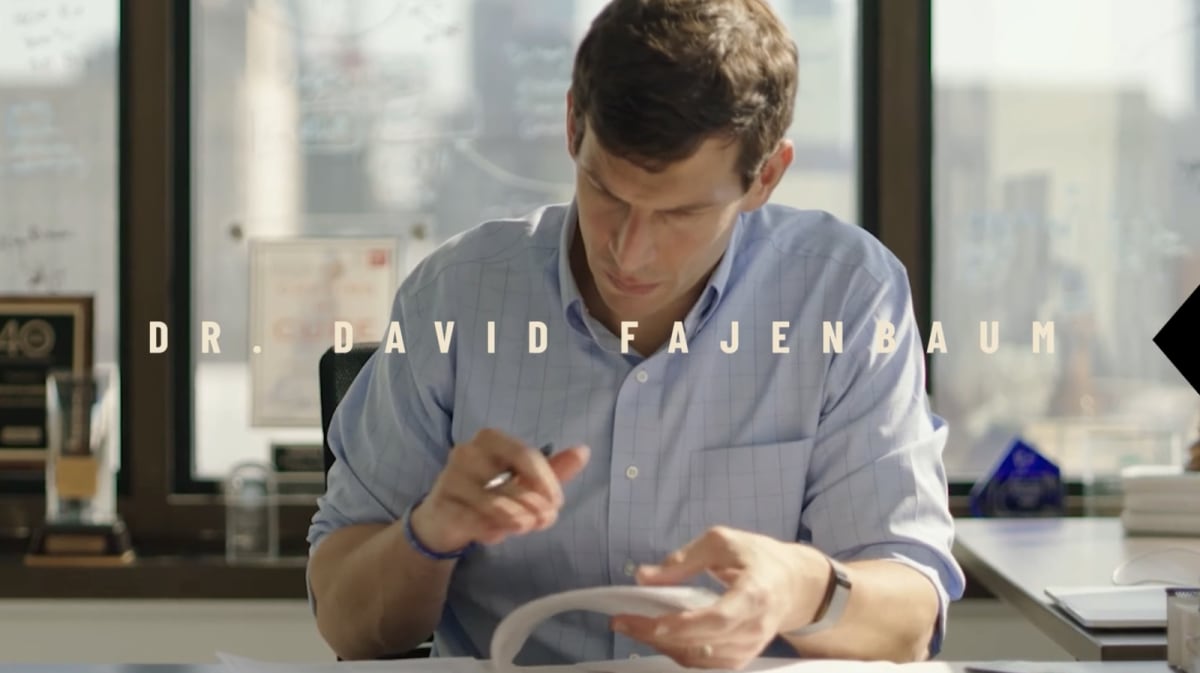
When Dr. David Fajgenbaum was diagnosed with Castleman disease in his mid-twenties, doctors gave him last rites. Instead of accepting defeat, the Penn Medicine researcher did something extraordinary: he found his own cure hiding on a pharmacy shelf.
The drug that saved his life wasn't designed for Castleman disease at all. It was originally developed to prevent organ transplant rejection, but Fajgenbaum discovered it could treat his supposedly incurable condition.
That lightbulb moment sparked a bigger question: how many other life-saving treatments are already sitting in drugstores, waiting to be matched with the right diseases?
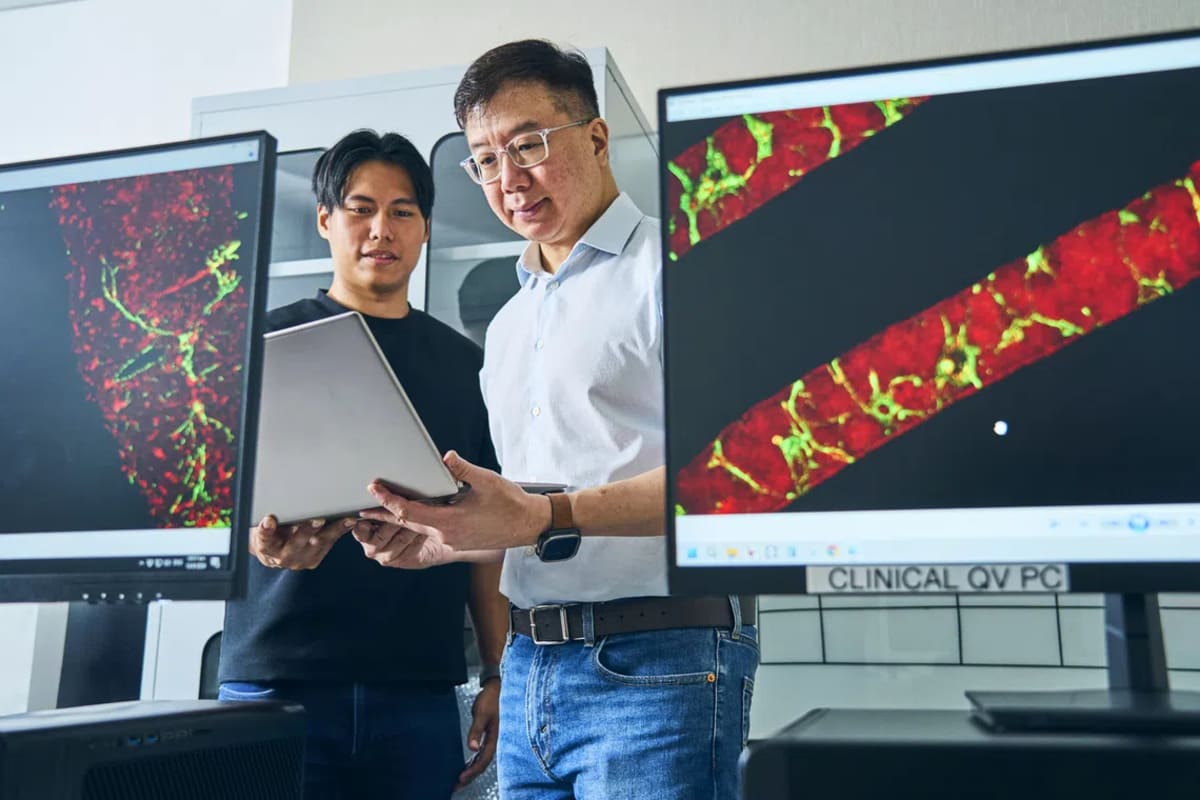
Fajgenbaum co-founded Every Cure to find out. The nonprofit uses artificial intelligence to systematically test 4,000 existing drugs against 18,000 diseases, exploring 75 million possible combinations. What once took decades of research now happens in months.
The results are already changing lives. Every Cure identified an African sleeping sickness drug that helps bedridden children with a rare genetic syndrome finally stand and walk. The team discovered that simple lidocaine injections can reduce breast cancer metastasis.
Here's why existing drugs offer such promise: they've already passed safety testing and sit approved on shelves. No one needs to spend billions developing them from scratch or wait years for regulatory approval.
But there's a catch. Big pharmaceutical companies have zero financial incentive to study these treatments because the drugs are generic, meaning no profits from patents. That's where Every Cure's nonprofit status becomes its superpower.
Without shareholders demanding returns, the organization can pursue treatments that help patients rather than boost quarterly earnings. They can focus on rare diseases affecting thousands instead of blockbuster drugs targeting millions.
The Ripple Effect
Every Cure has already raised $190 million to accelerate this work. The organization isn't just finding individual treatments but building a systematic approach to drug repurposing that could reshape how medicine works.
Fajgenbaum's story has caught Hollywood's attention too. Producers behind Forrest Gump, The Devil Wears Prada, and The Blind Side are developing a film about his journey from deathbed to lifesaving researcher.
In his conversation with host Ajay Raju on 6abc's Overheard podcast, Fajgenbaum described living in "overtime," years he never expected to see. That borrowed time gives him crystal-clear purpose: find cures for people still waiting for their miracle.
His work proves that sometimes the answer isn't inventing something new but looking at what we already have through fresh eyes. For thousands of patients with diseases considered untreatable, that shift in perspective might mean everything.
Every Cure's AI-powered approach shows how technology and compassion can combine to solve problems the traditional system left behind, one repurposed drug at a time.
Based on reporting by Google News - Disease Cure
This story was written by BrightWire based on verified news reports.
Spread the positivity!
Share this good news with someone who needs it