West Virginia Gets First Tumor-Destroying Sound Wave Tech
Liver cancer patients in West Virginia can now access a groundbreaking treatment that destroys tumors using sound waves instead of surgery. The $1.3 million system at Cabell Huntington Hospital is the first of its kind in the state.
Liver cancer patients in West Virginia just gained access to a treatment that sounds like science fiction but works like a miracle.
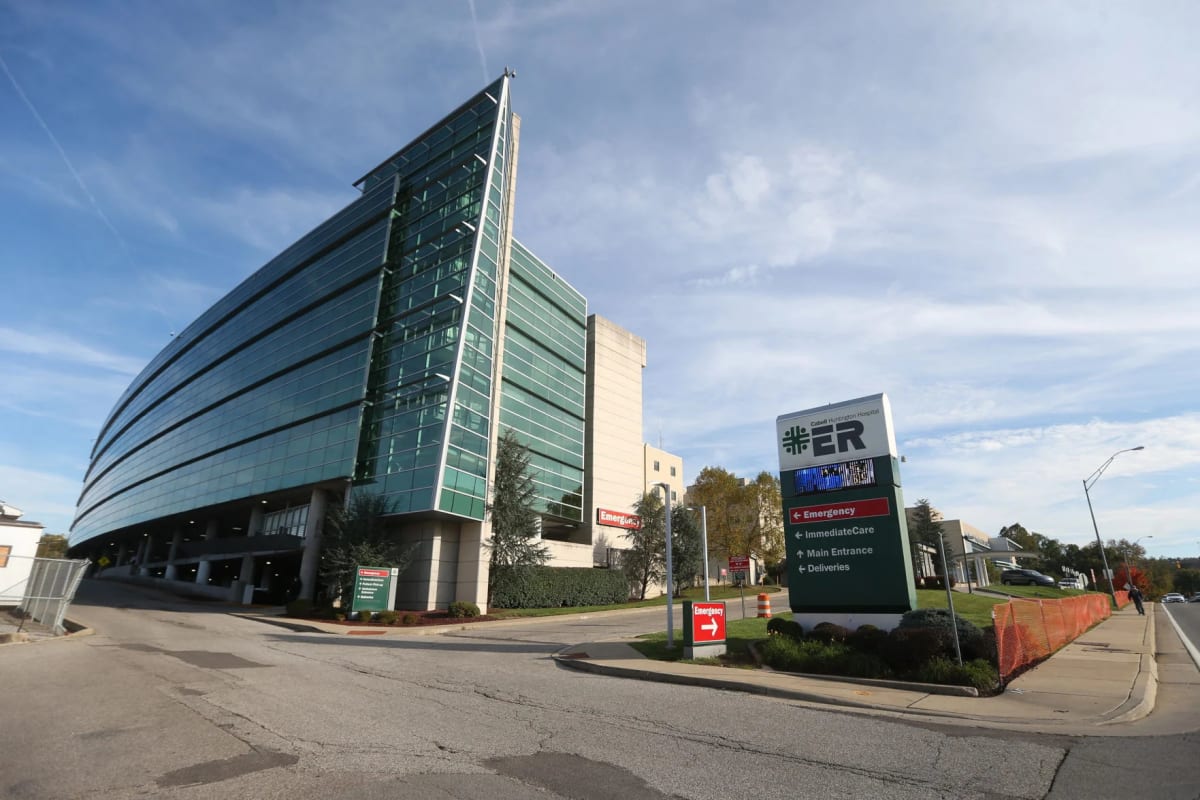
Marshall Health at Cabell Huntington Hospital now offers histotripsy, a revolutionary technology that destroys liver tumors using focused sound waves. The hospital is the first in West Virginia and among only the first 100 nationwide to offer this FDA-approved treatment.
The $1.3 million system arrived as a gift from the Cabell Huntington Hospital Auxiliary, a group dedicated to bringing cutting-edge care to their community. For patients facing one of the most challenging cancer diagnoses, this means new hope without the trauma of surgery.
Here's how it works: High-frequency ultrasound waves target the tumor tissue with incredible precision. The synchronized sound waves create tiny bubbles inside the cancerous cells, breaking them apart. Then the body naturally absorbs and clears away the destroyed tissue.
The entire procedure requires no incisions. Patients receive general anesthesia, but they wake up without surgical wounds to heal. And if histotripsy doesn't completely solve the problem, patients can still move forward with other treatments like cryoablation or radiation.
Nancy Godby, director of radiology at the hospital, calls it "groundbreaking" for good reason. "It is certainly less stressful on the patient," she explained. The sound waves do the work, the body handles cleanup, and patients avoid the risks and recovery time of invasive surgery.
This innovation arrives at a critical time. Liver cancer cases in West Virginia doubled between 2000 and 2019, with about 210 new diagnoses each year. Men face twice the risk of developing and dying from the disease compared to women.
The hospital team is already screening potential patients to see who qualifies for the treatment. Each candidate needs a pre-screening ultrasound to ensure their tumor fits the criteria and sits within the treatment range.
The Ripple Effect
Beyond individual patients, this technology signals a shift in how rural states access world-class cancer care. West Virginians no longer need to travel out of state for some of the most advanced treatments available.
Tim Martin, president of Cabell Huntington Hospital, emphasized the broader mission: "Bringing histotripsy to our region reflects Marshall Health Network's commitment to ensuring patients have access to the latest proven advances in cancer care." That commitment transforms into real outcomes for families who can now receive innovative treatment close to home.
The FDA approved histotripsy for liver tumors in October 2023, and the manufacturer is already working toward approval for treating tumors in other organs. What works in the liver today might work throughout the body tomorrow.
For West Virginians facing a liver cancer diagnosis, "whatever options are available" just expanded to include a treatment that seemed impossible a few years ago.
Based on reporting by Google News - New Treatment
This story was written by BrightWire based on verified news reports.
Spread the positivity!
Share this good news with someone who needs it