New Mexico Gets MRI-Guided Cancer Treatment in U.S. First
The University of New Mexico Comprehensive Cancer Center just became the only place in the state offering revolutionary MRI-guided radiation therapy that protects healthy tissue while attacking tumors with millimeter precision. Since April, 10 patients have already experienced this game-changing technology that turns cancer treatment into real-time, personalized medicine.
Cancer treatment just got dramatically more precise in New Mexico, and it could mean fewer side effects and better outcomes for patients across the Southwest.
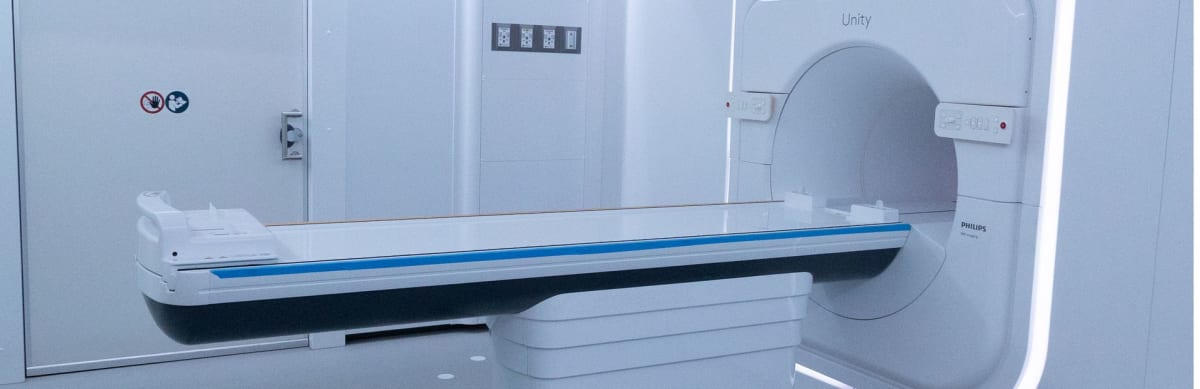
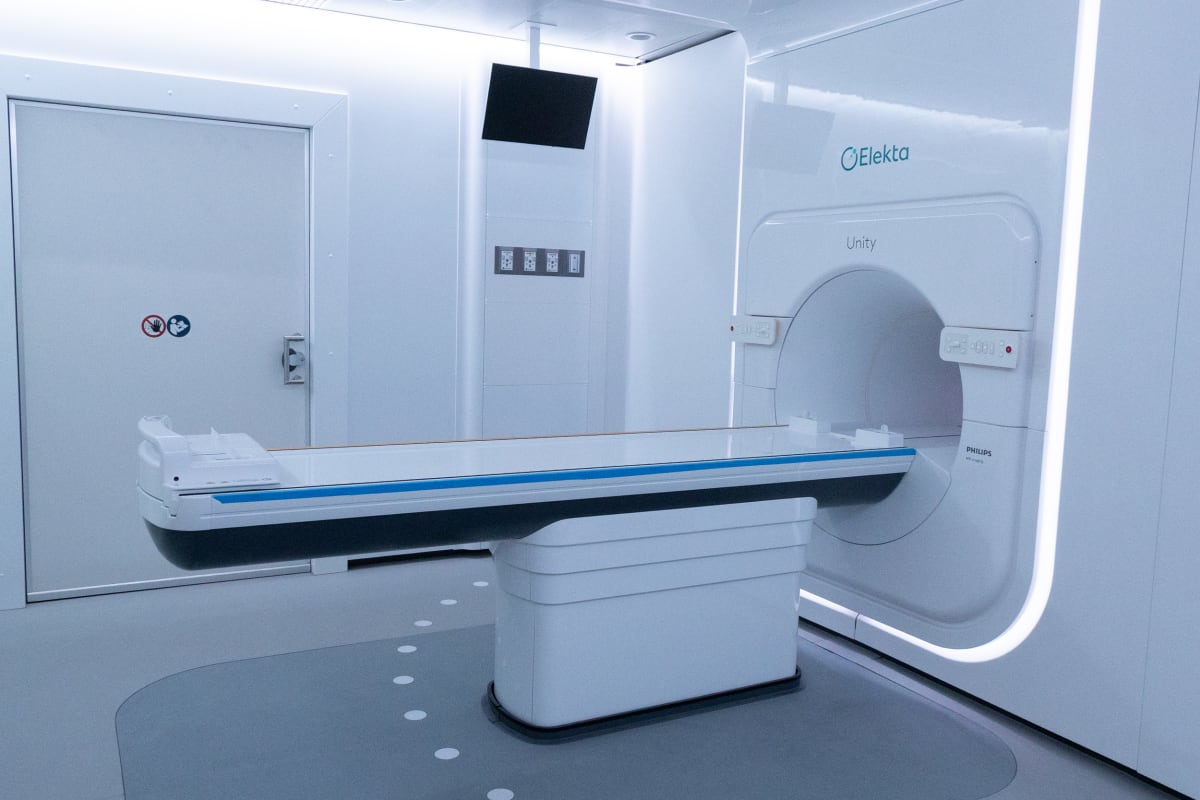
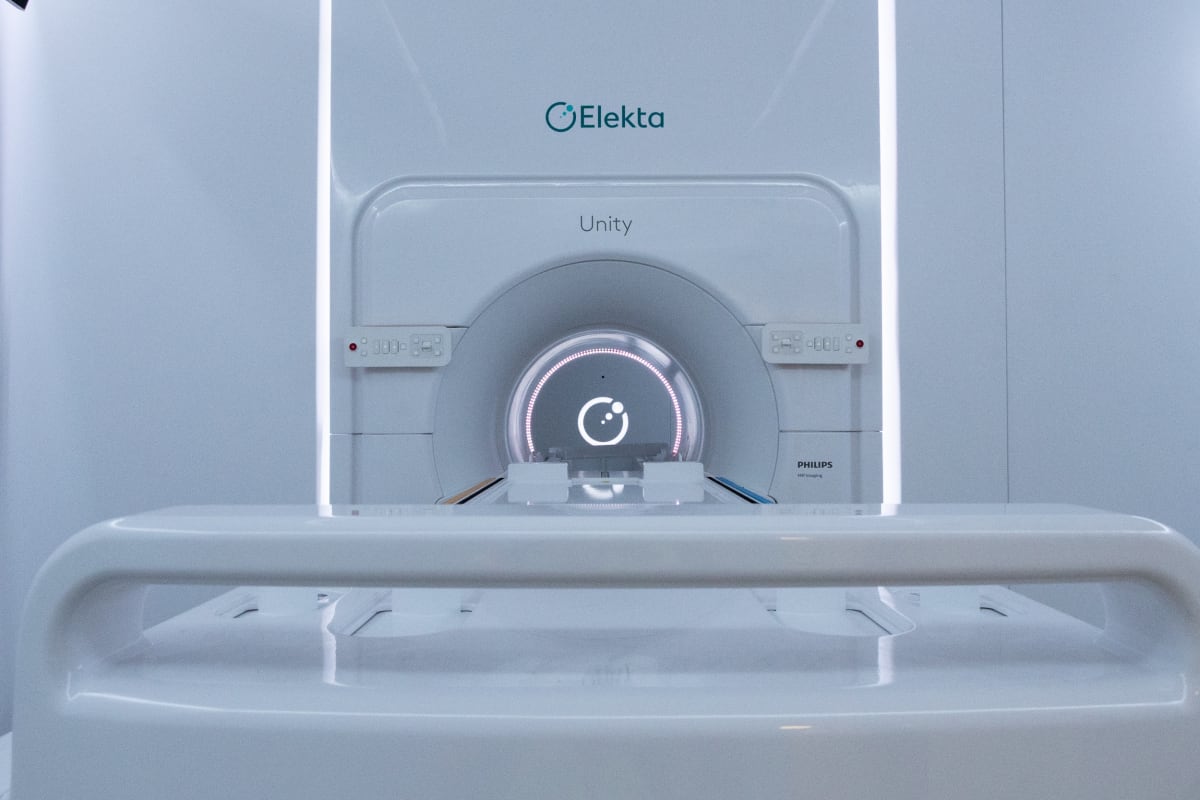
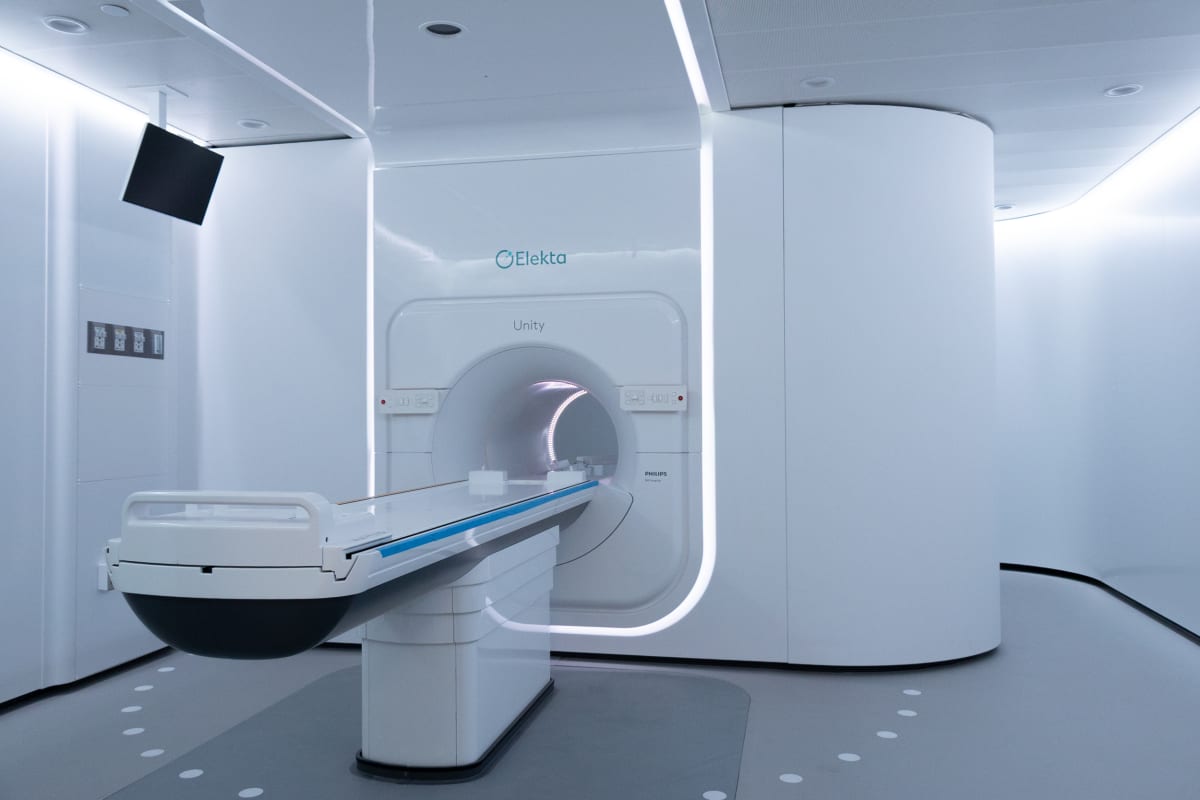
The University of New Mexico Comprehensive Cancer Center installed an MRI-linear accelerator in April, joining only 100 facilities worldwide with this cutting-edge technology. The machine combines MRI imaging with radiation therapy, allowing doctors to see tumors in real time and adjust treatment on the spot.
The difference comes down to millimeters, but those millimeters matter enormously. Traditional radiation therapy uses CT scans taken one to two weeks before treatment, which means doctors must aim at a wider area to account for tumor movement and body changes. That extra margin can expose healthy organs and tissue to unnecessary radiation.
With the new MRI-LINAC system, doctors image the tumor on treatment day and customize the plan immediately. If a patient's bladder fills or their bowel shifts during treatment, the machine detects when the tumor moves and automatically stops the radiation beam. Once the tumor returns to position, treatment continues.
Dr. David Lee, medical director of Radiation Oncology at the center, has already treated 10 patients since installation. Six had prostate cancer, three had pancreatic cancer, and one had rectal cancer. Several more appointments are scheduled in coming weeks.
The technology shines brightest for cancers nestled near vital organs. Prostate, pancreas, liver, and kidney cancers all sit close to structures that doctors desperately want to protect. The sharper focus means less collateral damage to healthy tissue surrounding tumors.
Treatment sessions take slightly longer than traditional radiation appointments, but patients gain precision and flexibility in return. One pancreatic cancer patient is receiving chemotherapy and immunotherapy alongside MRI-LINAC therapy, with all three treatments coordinated between sessions.
The machine also reduces delays. When body conditions change between initial scans and scheduled treatment under conventional methods, patients often need new CT scans that push back their care. The real-time imaging eliminates those frustrating setbacks.
The Ripple Effect
New Mexico cancer patients no longer need to travel out of state for the most advanced radiation technology available. That means families stay together during treatment, patients sleep in their own beds, and communities keep their members close during difficult times.
The expansion also positions New Mexico as a leader in precision medicine for the entire region. As one of only 100 facilities worldwide offering this technology, UNM can now deliver world-class cancer care that rivals any major metropolitan center.
For early-stage prostate cancers, radiation therapy often works as an effective primary treatment. Combined with the new precision capabilities, patients have powerful options that weren't available in their home state just months ago.
This is personalized medicine in action, where technology adapts to each patient's unique anatomy and changing conditions in real time.
More Images

Based on reporting by Google News - New Treatment
This story was written by BrightWire based on verified news reports.
Spread the positivity!
Share this good news with someone who needs it