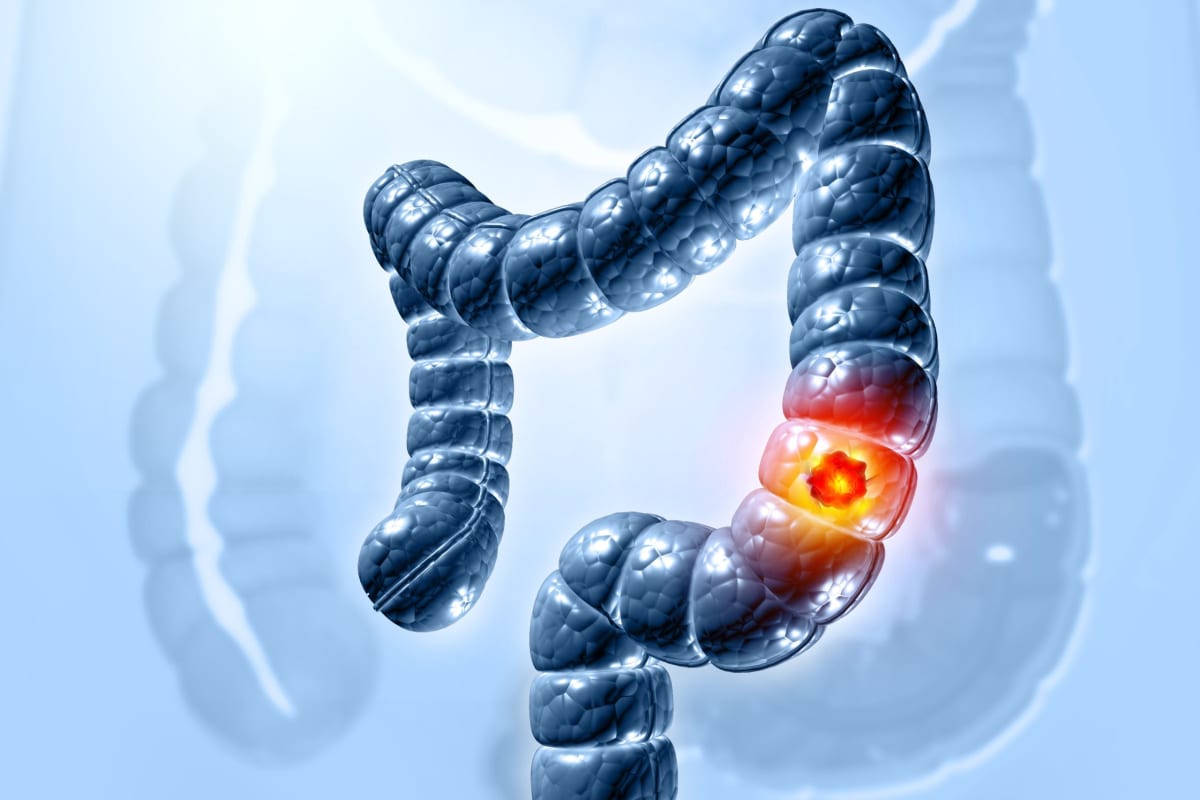
Trial Aims to Reverse Immune Aging in Older Adults
Scientists are launching a groundbreaking trial to rejuvenate tired immune cells in older adults, potentially turning back the biological clock on aging. The experimental therapy could help people fight disease as effectively at 70 as they did at 30.
A new clinical trial starting this year could change how we age by teaching our immune cells to act young again.
Researchers at University College London are testing an experimental drug that rejuvenates exhausted immune cells in older adults. The therapy targets senescent T cells, which accumulate as we age and become less effective at protecting us from illness.
"This trial is an important step towards testing whether we can safely rejuvenate exhausted immune cells and restore aspects of healthy immune function," says Dr. Alessio Lanna from UCL Medicine. His biotech company, Sentcell, developed the treatment after years of research showing some worn-out immune cells can regain their youthful power.
The drug works by reprogramming the pathways that lead to immune dysfunction. Delivered through a simple muscle injection like a vaccine, it helps immune cells recognize and respond to threats the way they did decades earlier.
The trial will enroll adults showing signs of immune aging, including people living with chronic viral infections like HIV. These patients often experience accelerated immune aging despite otherwise successful treatments.
The therapy focuses on CD4+ T cells, often called the conductors of the immune system. These cells orchestrate how our bodies respond to infection, cancer, and disease.
Why This Inspires
What makes this approach revolutionary is its potential to strengthen the entire immune system rather than targeting one specific disease. Instead of treating individual illnesses as they arise, rejuvenating the immune system could prevent multiple age-related conditions at once.
Early research suggests rejuvenated immune cells might even release protective structures called "telomere rivers" into the bloodstream. Telomeres cap the ends of our chromosomes and shorten with age, so protecting them could benefit tissues throughout the body beyond just immune cells.
The Phase 1 trial will first establish whether the treatment is safe. If successful, researchers will move to larger studies testing its effectiveness against chronic infections, autoimmune diseases, and cancer.
For people living with HIV, cancer survivors, and anyone facing immune dysfunction, this could mean healthier aging at the molecular level. Rather than accepting weakened immunity as inevitable, we might soon have a way to restore it.
The implications extend beyond disease treatment to healthy aging itself. Imagine maintaining the infection-fighting power of your 30-year-old self well into your 70s and beyond.
This trial represents a fundamental shift in how we approach aging, treating it not as an unstoppable decline but as something we can actively reverse at the cellular level.
More Images



Based on reporting by New Atlas
This story was written by BrightWire based on verified news reports.
Spread the positivity!
Share this good news with someone who needs it