Scientists Unlock Medicine From Deadly Wolfsbane and Larkspur
Two plants used as poison for centuries may finally yield new medicines after scientists cracked the code to recreate their healing compounds in a lab. The breakthrough could lead to new treatments for pain, malaria, and cancer without harvesting rare plants.
Scientists just figured out how to recreate the medicinal compounds from two of history's deadliest plants, and it could change how we develop new drugs.
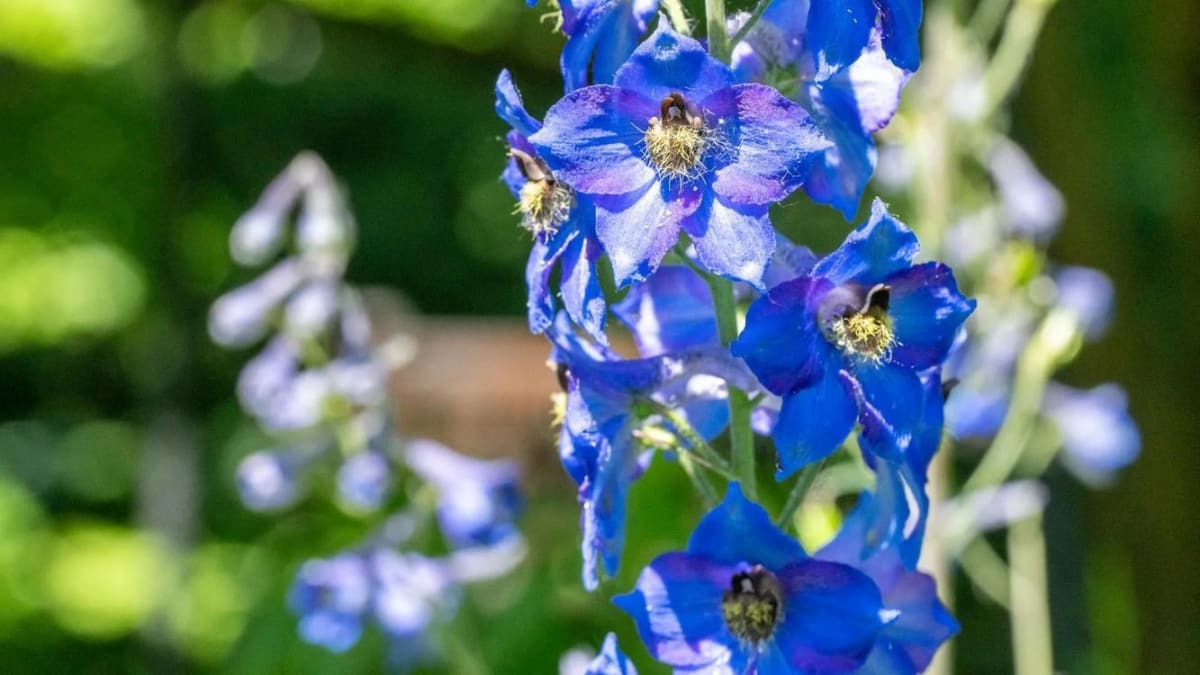
Researchers at Michigan State University and the Czech Academy of Sciences successfully synthesized compounds from wolfsbane and larkspur for the first time. These plants have been used in medicine for thousands of years, but they're also famously toxic—wolfsbane may have poisoned Socrates and Alexander the Great.
The team focused on chemicals called diterpenoid alkaloids, which are both poisonous and healing. Despite being discovered nearly 200 years ago, scientists had never successfully recreated them in a lab until now.
The breakthrough happened when two research teams met by chance at a conference in Barcelona. Björn Hamberger from Michigan State was studying larkspur while Tomáš Pluskal's team in the Czech Republic was researching wolfsbane. They decided to combine their efforts.
The scientists identified the exact genetic pathway these plants use to create their unique compounds. They then inserted those genes into tobacco plants, turning them into natural factories that produced the chemicals. When they analyzed the results, they found six unique enzymes that successfully created a compound called atisinium.
This discovery matters because plants naturally produce these chemicals very slowly and in tiny amounts. By engineering other organisms like yeast or tobacco to produce them instead, researchers can make larger quantities for testing and development.
The Bright Side
What makes this particularly exciting is that these plant compounds have evolved over millions of years to interact with our bodies in specific ways. "Plants are the best chemists around," said Hamberger, whose lab explores how these natural compounds can be used for good.
The same chemicals that made these plants deadly also give them healing properties for treating pain, malaria, cancer, and pests. Now that scientists know how to produce them without harvesting rare plants, they can test new drug possibilities on a much larger scale.
Graduate student Lana Mutabdžija sees the bigger picture. "In an ideal scenario, this could eventually help create new drugs inspired by these natural products," she said.
This breakthrough demonstrates that the next generation of powerful medicines might not come from chemists' inventions but from understanding and recreating what nature has already perfected.
More Images
Based on reporting by Good News Network
This story was written by BrightWire based on verified news reports.
Spread the positivity!
Share this good news with someone who needs it