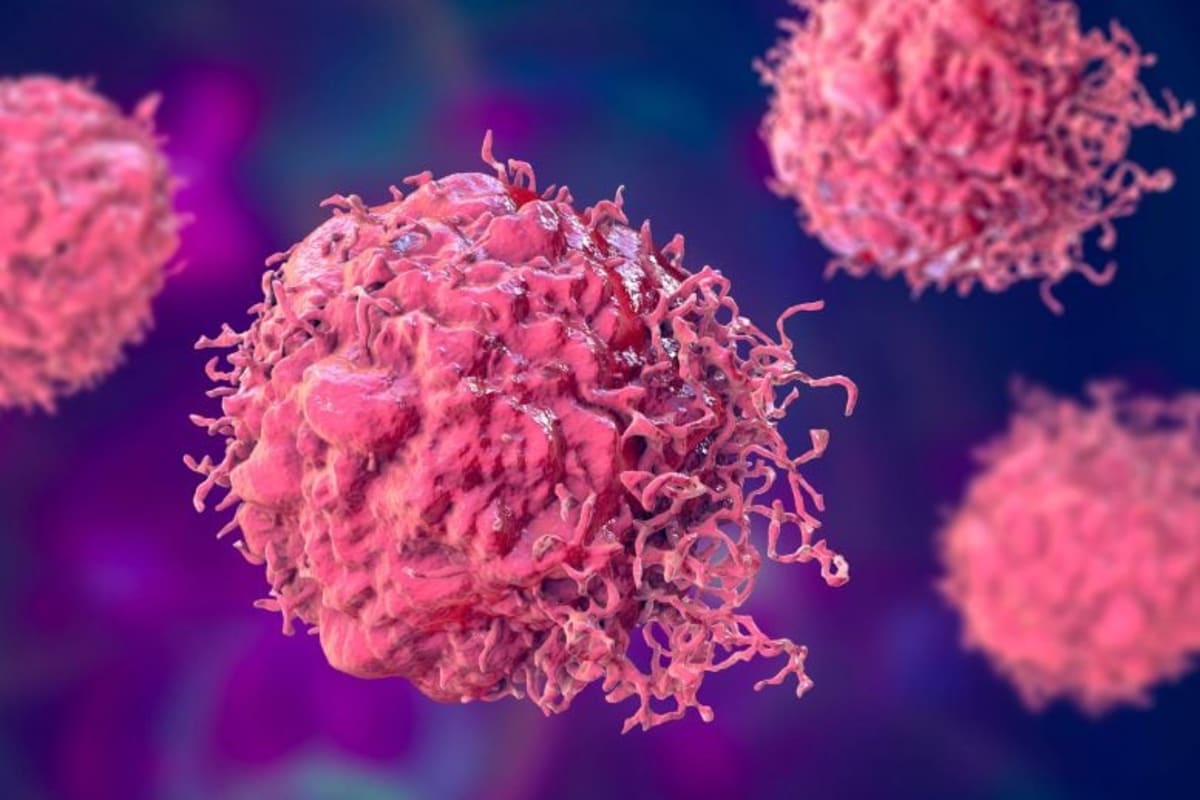
Scientists Make Pancreatic Cancer Visible to Immune System
University of Minnesota researchers discovered why pancreatic cancer hides from the immune system and found a two-part treatment that helped mice live longer. The breakthrough could finally make immunotherapy work against one of the deadliest cancers.
Scientists just solved a mystery that could change the fight against one of medicine's toughest opponents.
Researchers at the University of Minnesota Medical School figured out how pancreatic cancer cells make themselves invisible to the immune system. More importantly, they found a way to expose those hiding cells and help the body fight back.
The discovery happened while studying why immunotherapy, which helps the immune system attack cancer, rarely works for pancreatic cancer patients. The team found that some tumor cells shut down a gene called Tap1, which normally displays warning signals on the cell surface. Without those signals, killer T cells can't recognize the cancer.
But the cancer cells weren't completely invisible. CD4 helper T cells, typically known for coordinating immune responses, could still detect the hidden tumors. The problem was that regulatory T cells, which normally prevent the immune system from overreacting, were blocking the CD4 cells from doing their job.
The researchers tested a two-part solution. They restored the cancer cells' warning signals and simultaneously released the brake on CD4 helper T cells by blocking an immune checkpoint called CTLA-4. Neither treatment worked well alone, but together they made a powerful difference.
When both approaches combined, the immune system controlled tumors more effectively. The cancer spread less, and treated mice survived significantly longer than those receiving either treatment alone.
Why This Inspires
Pancreatic cancer kills more than 90 percent of patients within five years, making it one of the deadliest cancers. It has resisted nearly every treatment doctors have tried, including immunotherapies that work well against other cancers.
This research offers real hope because it doesn't just explain why current treatments fail. It provides a clear path forward. The team found the same immune cell patterns in human pancreatic tumors, and their abundance matched patient survival rates, suggesting the mouse findings translate to people.
Associate Professor Ingunn Stromnes, who led the study published in Science Immunology, said the findings transformed how scientists think about immunotherapy requirements for pancreatic cancer. The next step is determining how to safely harness CD4 T cells to improve treatment for patients.
For the 66,000 Americans diagnosed with pancreatic cancer each year, this breakthrough represents something they rarely get: a reason to hope that effective treatment might finally be within reach.
Based on reporting by Google News - Researchers Find
This story was written by BrightWire based on verified news reports.
Spread the positivity!
Share this good news with someone who needs it