First Human Trial Begins for Rare Brain Disorder SYNGAP1
A groundbreaking treatment for SYNGAP1, a rare genetic disease causing seizures and developmental delays, has entered human trials for the first time. The therapy aims to restore a crucial brain protein that 1,800 identified patients worldwide currently lack.
Children with SYNGAP1-related disorders are getting their first real shot at treatment after regulators in Australia and Argentina approved human trials for an experimental therapy.
CAMP4 Therapeutics received clearance last month to test CMP-002, a treatment designed to tackle the root cause of this devastating genetic condition. SYNGAP1 patients have a mutation that robs their brains of SynGAP protein, which is essential for learning, memory, and brain cell communication.
The results are epilepsy, intellectual disabilities, and developmental delays that leave families desperate for help. While only 1,800 cases have been identified globally, researchers estimate SYNGAP1 mutations may account for up to 2% of all intellectual disabilities.
The trial will enroll at least 30 children ages 2 to 18 across multiple sites. Participants will receive the treatment through lumbar punctures that deliver the medication directly into spinal fluid surrounding the brain.
Early signs look promising. Preclinical studies in primates showed the therapy increased brain protein levels, while tests in mice demonstrated improved seizure control.
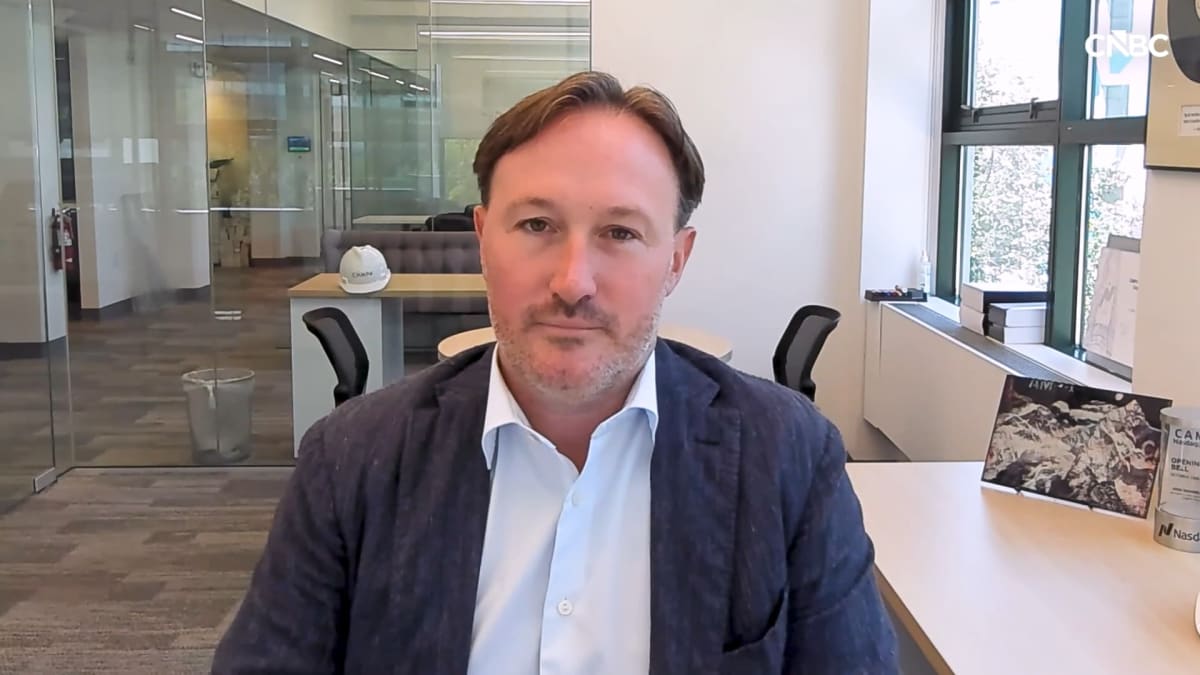
CEO Josh Mandel-Brehm says the team isn't setting rigid expectations because nobody has attempted this before. Success might mean fewer seizures for one child, first words for another, or simply a moment when parents don't need to constantly guard against danger.
The study uses a double-blind design where half the participants initially receive a placebo. This approach, while sometimes controversial in rare disease communities, helps generate the robust data regulators need for approval.
Mandel-Brehm emphasized that children receiving placebos will transition to the actual treatment if early results prove positive. The goal isn't just proving the drug works but getting it approved and available to patients who need it.
Why This Inspires
This trial represents hope for thousands of families navigating a condition with zero approved treatments. The therapy doesn't just mask symptoms but aims to restore the missing protein that causes SYNGAP1 in the first place.
Previous treatments for rare genetic brain disorders have shown that early intervention can make life-changing differences. By targeting children as young as 2, researchers hope to prevent or reduce the severity of developmental delays before they become permanent.
The trial design also shows how companies can balance scientific rigor with compassion, ensuring no child is permanently denied treatment if the therapy proves effective.
CAMP4 plans to launch the trial in the fourth quarter and is already in conversations with U.S. regulators about expanding to American sites. For families who have watched their children struggle without options, this first human trial marks the beginning of genuine hope.
Based on reporting by Google News - Disease Cure
This story was written by BrightWire based on verified news reports.
Spread the positivity!
Share this good news with someone who needs it