Doctor Launches Fast-Track Platform for Colon Cancer Trials
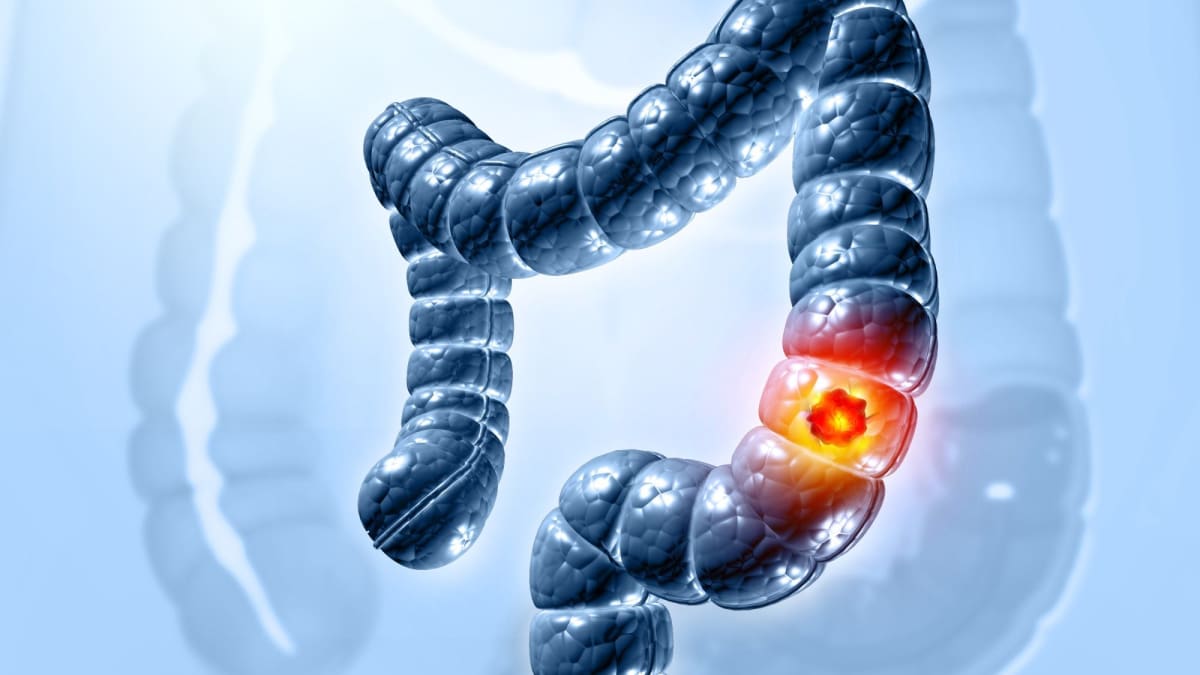
A Georgetown oncologist who now treats nearly half his colorectal cancer patients under 50 has created a revolutionary platform to speed up clinical trials. KLEOS cuts years off the drug approval process for a disease that's become the deadliest cancer for younger Americans.
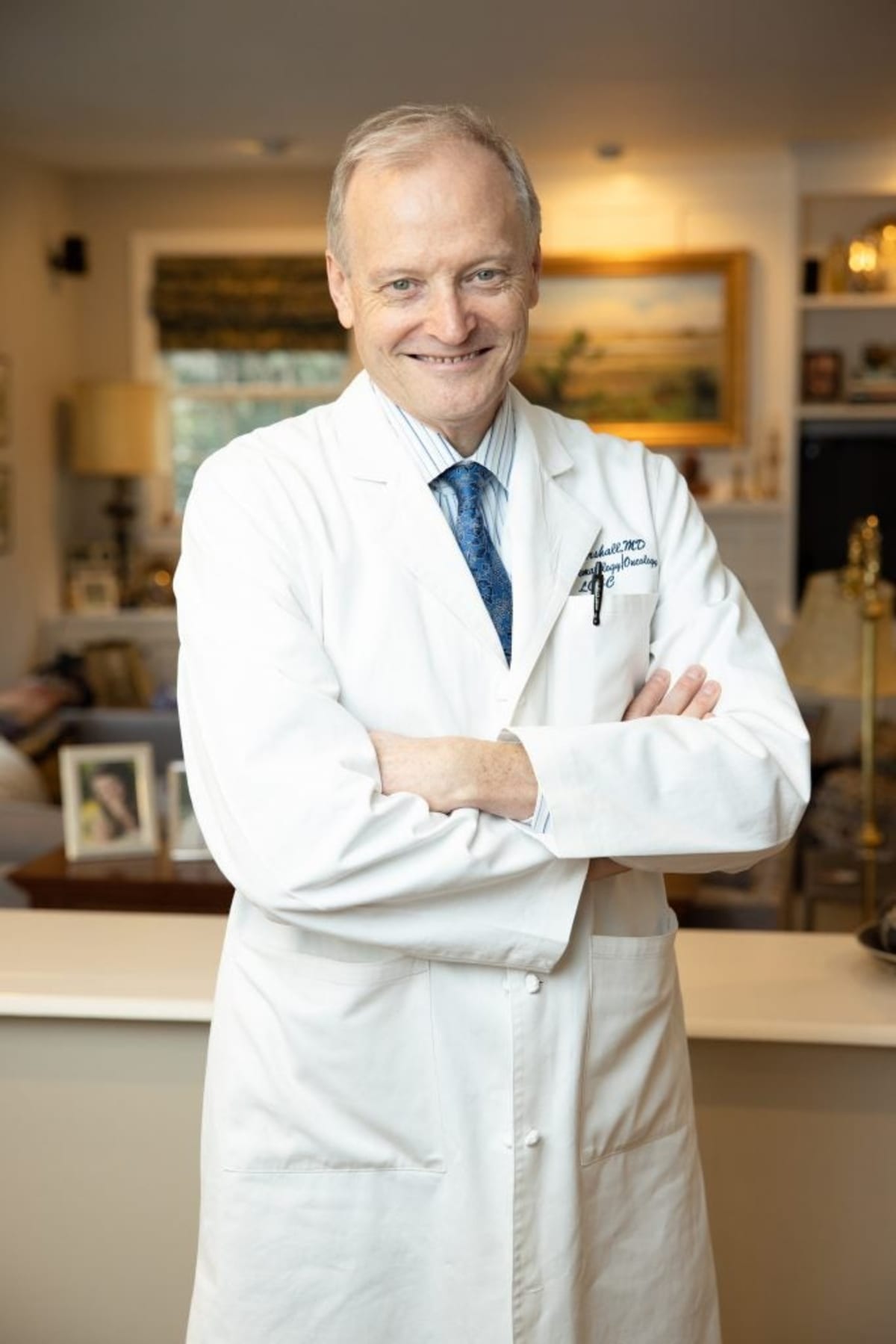
Dr. John Marshall saw none of his colorectal cancer patients were under 50 in the 1990s. Today, nearly half are, and he's racing to find out why.
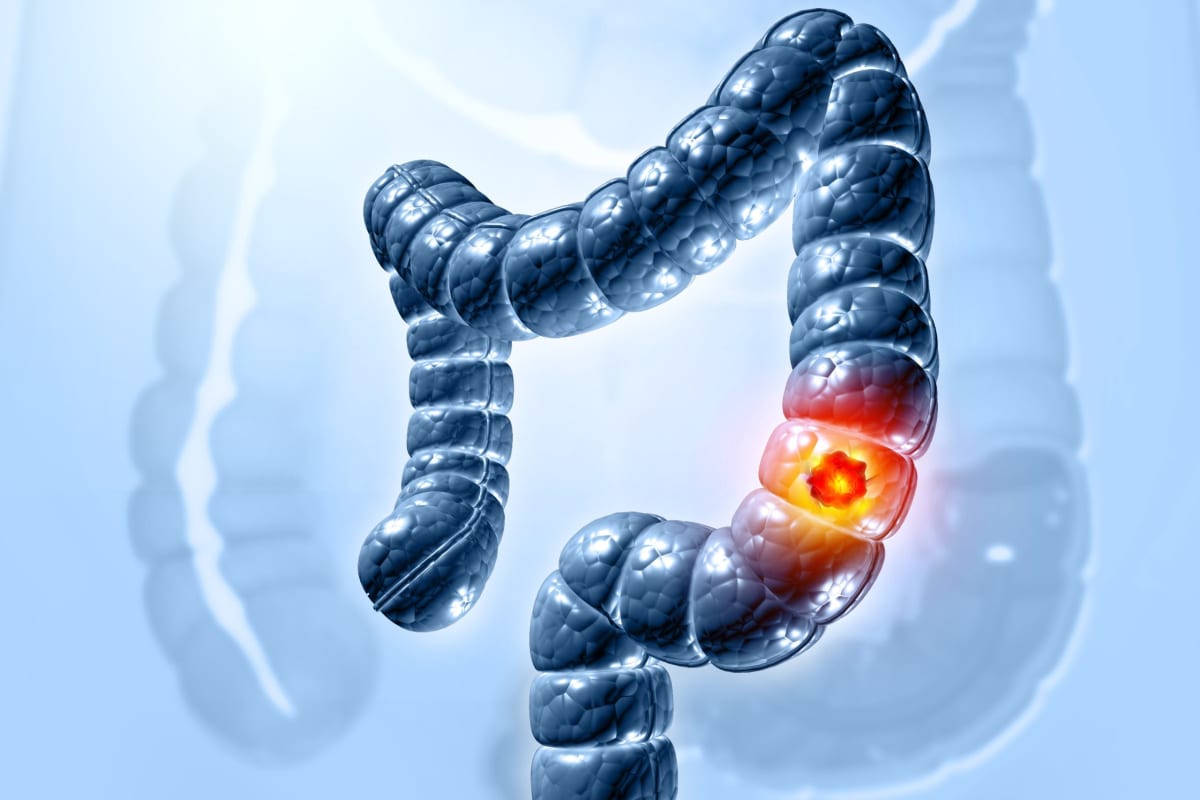
Colorectal cancer is now the deadliest cancer for people under 50, with diagnosis rates climbing 3% annually for those under 65. Marshall, who directs Georgetown's Ruesch Center for the Cure of Gastrointestinal Cancers, knew the old research timeline wouldn't cut it anymore.
Traditional clinical trials can take over a decade to move from lab discovery to FDA approval. Patients fighting aggressive cancers don't have that kind of time.
That urgency inspired Marshall to create KLEOS, a groundbreaking collaboration that brings together researchers, patient groups, and pharmaceutical companies. The platform tests multiple new treatments simultaneously under one streamlined protocol, slashing both time and costs.
"We're tired of it taking so long. We're impatient," Marshall said. "There is clearly a dramatic need and a large patient base, and this young-onset colorectal cancer is driving it even more."
The platform removes administrative roadblocks that normally slow drug development to a crawl. By connecting academia, advocacy groups, and industry partners, KLEOS creates a fast track for promising therapies to reach patients who need them.
Marshall's research has revealed that colorectal cancer isn't just one disease. Looking at genes instead of just cells shows completely different disease patterns, opening doors for targeted treatments that actually address what makes each cancer tick.
His team suspects changes in our gut microbiome play a critical role. Modern life with more antibiotics, cleaning products, and processed foods may have created what Marshall calls "a culture of sterility" that affects our internal bacterial balance.
The Bright Side
While the rising rates are concerning, Marshall's work represents a major shift in how fast medical research can move when the right people collaborate. KLEOS proves that cutting red tape and bringing stakeholders together can revolutionize treatment timelines.
The platform's success could become a model for other diseases where patients are running out of time. When urgency meets innovation, breakthrough solutions emerge faster than anyone thought possible.
Marshall's younger patients often run marathons and eat healthy diets, proving this disease doesn't discriminate. But now they have something previous generations didn't: a streamlined path to cutting-edge treatments that could save their lives.
More Images
Based on reporting by Google News - New Treatment
This story was written by BrightWire based on verified news reports.
Spread the positivity!
Share this good news with someone who needs it