AI Could Find MND Treatments in Years, Not Decades
Scientists in Edinburgh are using artificial intelligence to fast-track the search for treatments hiding in plain sight among 1,500 already-approved drugs. For patients like Steven Barrett, who has lived with motor neurone disease for 10 years, it's a bright light of hope.
When Steven Barrett noticed numbness in his leg during retirement planning, he had no idea it would lead to a motor neurone disease diagnosis that would strip away the future he'd carefully mapped out. Ten years later, he's helping scientists make sure others might not wait as long for answers.
Researchers at the UK Dementia Research Institute in Edinburgh are using AI to scan through 1,500 existing approved drugs to find ones that could treat brain conditions like MND, Parkinson's, and dementia. Instead of spending over a decade developing new medicines from scratch, they're teaching algorithms to spot which drugs already on pharmacy shelves might work for diseases they weren't originally designed to treat.
The process combines cutting-edge technology with deeply personal data. Scientists collect voice recordings, eye scans, and blood samples from volunteers like Steven to grow brain cells in the lab. Robots and AI-powered algorithms then test existing drugs on these cells, looking for ones that could flip a disease signature into a healthy one.
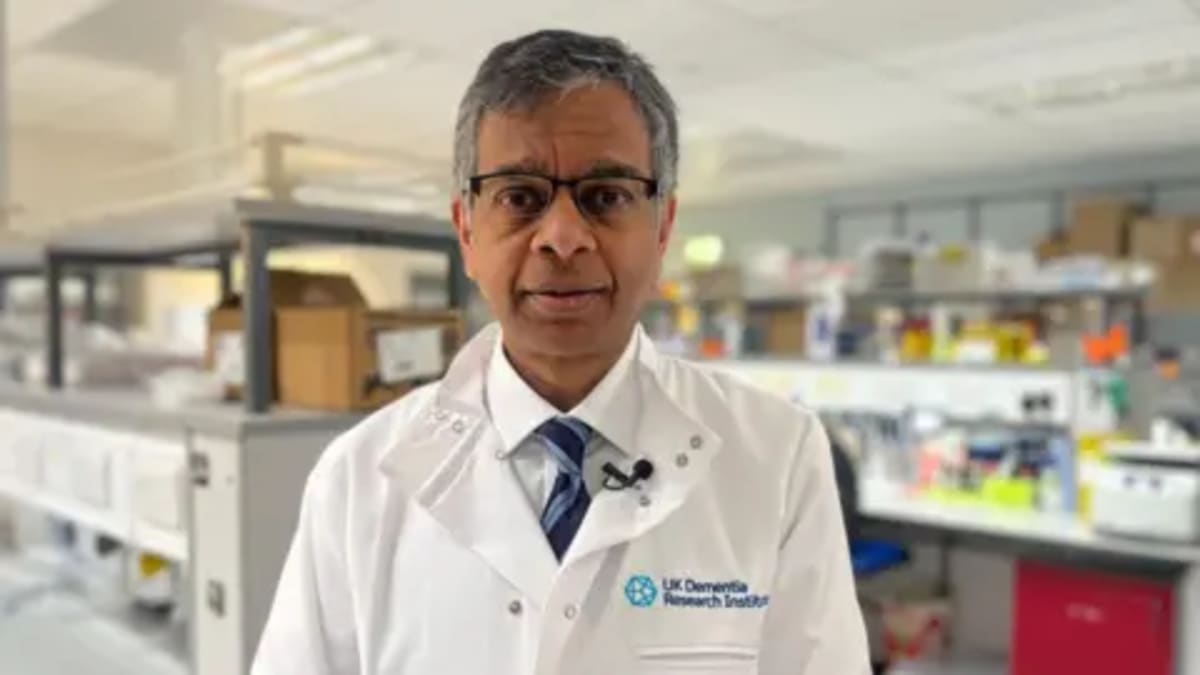
Professor Siddharthan Chandran, who leads the institute, believes the brain's complexity used to limit research to basic methods. Now AI can crunch through massive datasets to find patterns doctors might never spot on their own.
Steven participates in a trial called MND-SMART, where multiple drugs get tested simultaneously instead of the traditional one-treatment-versus-placebo approach. He knows the tablet he takes might not help him directly, but he calls the research a "bright light" for everyone facing these conditions.
Why This Inspires
This research represents a fundamental shift in how we search for cures. Instead of reinventing the wheel, scientists are using AI to reveal hidden potential in medicines we already trust and understand. The same drug sitting in medicine cabinets treating one condition could be the breakthrough another patient desperately needs.
Because these drugs already passed safety approvals, getting them to patients who need them could happen in years rather than the typical decade-plus timeline. For the 1,500 approved drugs out there, we might just not know yet which ones could heal the brain.
Other research teams have found similar success using AI to identify antibiotics for superbugs and treatments for rare diseases. While some highly publicized Alzheimer's drugs haven't lived up to early hype, Professor Chandran remains confident we're reaching a tipping point in understanding neurological conditions.
For Steven, who has watched MND change everything about his life, the research means more than just taking a pill. It means taking a pill with intention, knowing that whether it helps him or someone years from now, the data he's providing is lighting the path forward for everyone fighting these diseases.
More Images



Based on reporting by Google News - Disease Cure
This story was written by BrightWire based on verified news reports.
Spread the positivity!
Share this good news with someone who needs it