AI Cracks 80-Year Math Problem Humans Couldn't Solve
An OpenAI system just solved a famous geometry puzzle that stumped mathematicians since 1946. The breakthrough hints at a future where AI and humans team up to unlock the universe's biggest mysteries.
For the first time ever, an AI working on its own solved a major math problem that had defeated human minds for eight decades.
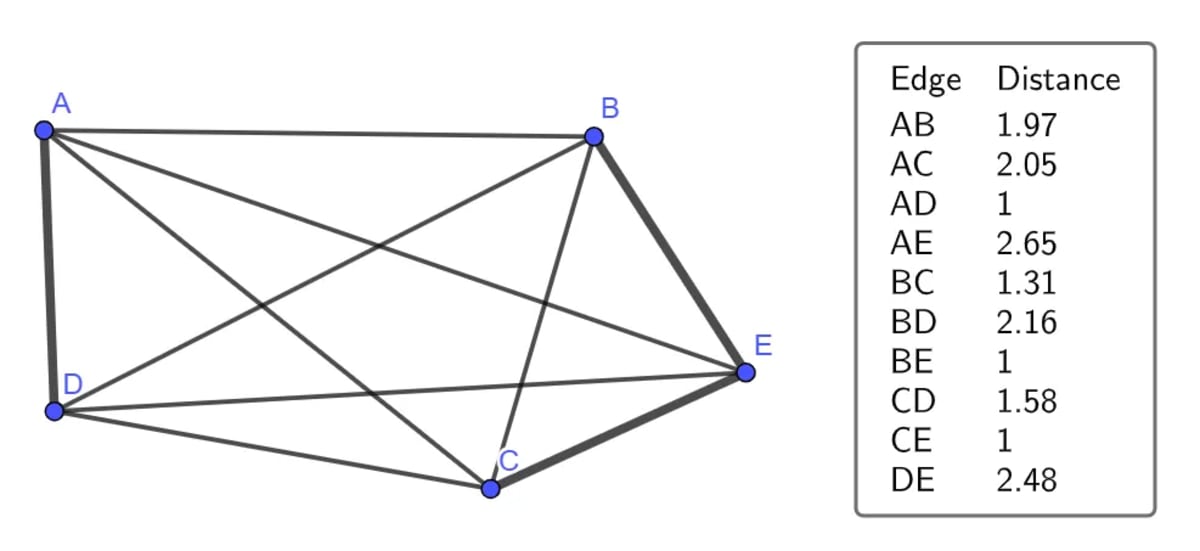
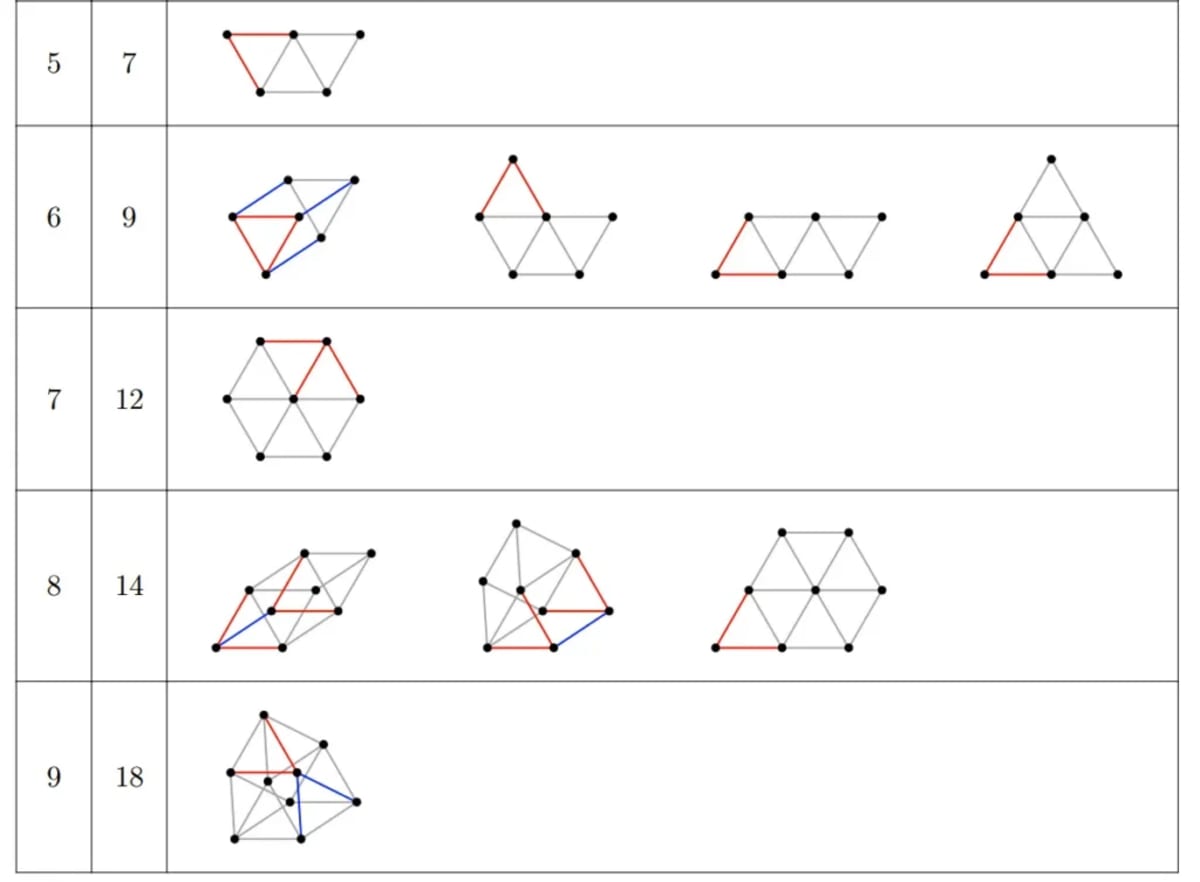
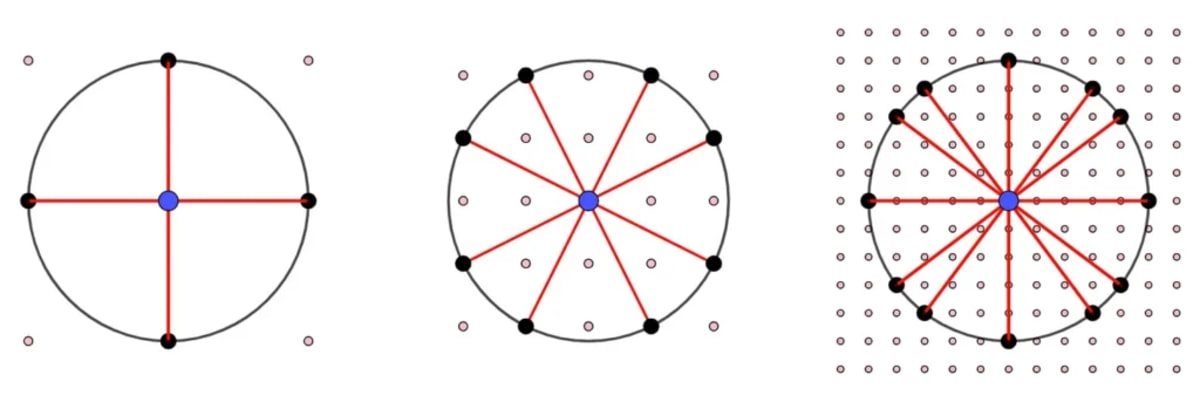
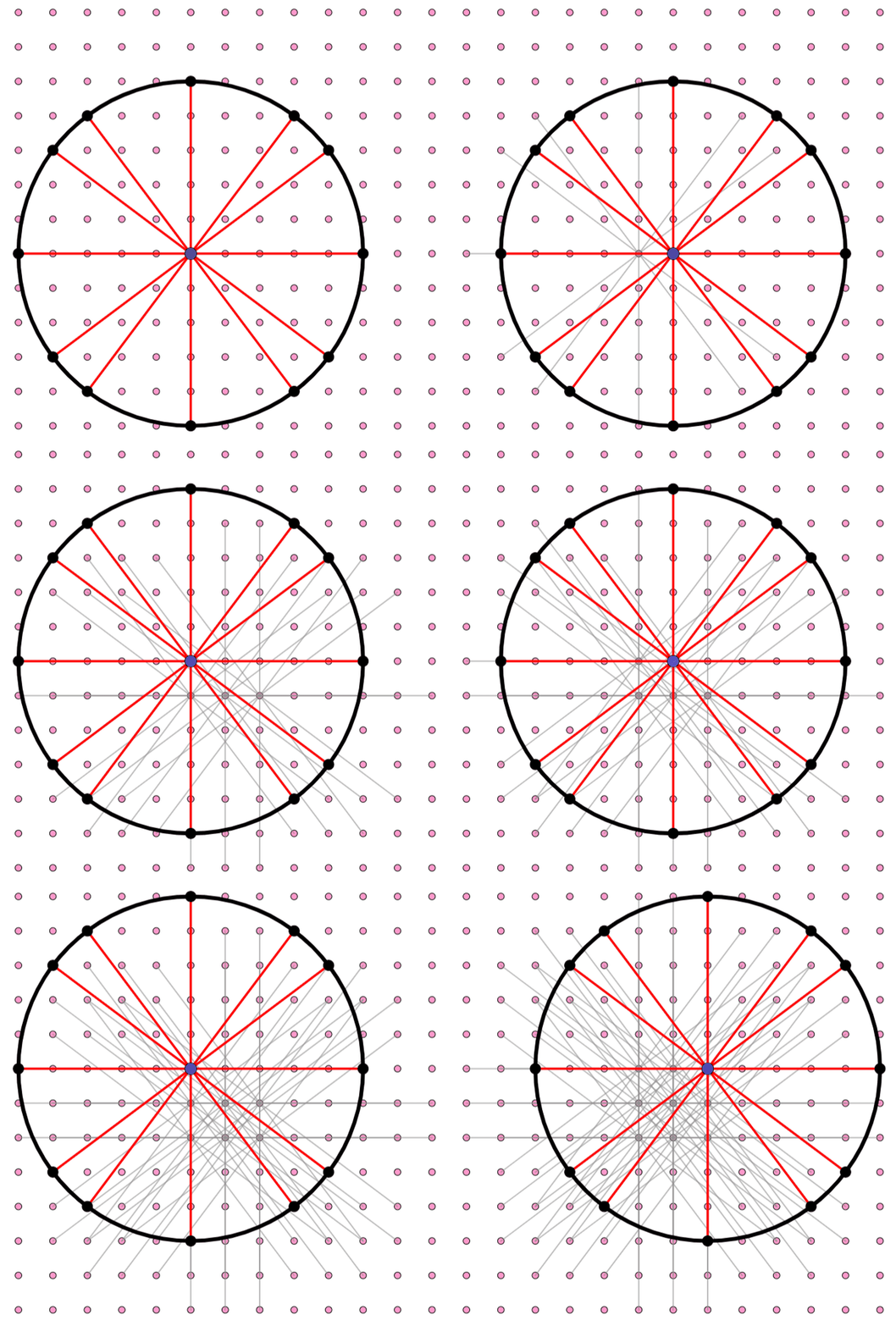
In May, OpenAI announced its system cracked the Erdős unit distance conjecture, a geometry puzzle introduced in 1946 by Paul Erdős, one of history's most productive mathematicians. The problem sounds simple: arrange points on a flat surface to maximize how many pairs sit exactly one unit apart. But as the number of points grows, the puzzle becomes impossibly complex.
Fields Medal winner Tim Gowers called it "a milestone in AI mathematics." University of Toronto professor Daniel Litt said it's the first AI-generated result that excites him for the math itself, not just as a preview of things to come.
The achievement marks a giant leap in just three years. AI systems struggled with basic arithmetic in 2022. They only started acing high school math competitions last year. Now they're solving problems that real mathematicians publish papers about.
The AI didn't invent brand new mathematical techniques. Instead, it cleverly combined existing ideas from different areas of math to build a complete proof. Human mathematicians have since refined and expanded the work.
Why This Inspires
This breakthrough reveals an exciting partnership model for the future. AI systems can scan through more mathematical research than any human could read in a lifetime. They're willing to grind through thousands of tedious calculations that might lead nowhere.
Meanwhile, humans still think more deeply about individual problems and ask more interesting questions. The collaboration plays to each side's strengths.
The speed of progress is stunning. Just a few months ago at the world's largest math conference, researchers reported that AI could only contribute to math research in very limited ways. It took heavy human interpretation to turn AI outputs into publishable theorems.
Now AI has delivered a full solution to a famous unsolved problem on its own. Whether human mathematicians will still lead the field in ten years remains an open question, but for now, this feels like the beginning of a beautiful friendship between human creativity and machine power.
The universe's mathematical secrets just got a little less secret.
More Images
Based on reporting by Ars Technica Science
This story was written by BrightWire based on verified news reports.
Spread the positivity!
Share this good news with someone who needs it