AI Cracks Major Math Problem, Sparks New Collaboration Era
Artificial intelligence just solved a million-dollar math puzzle that stumped researchers for decades, opening the door to better understanding of how fluids flow. While the 166-page AI-generated proof needs human translation, mathematicians are creating new frameworks for humans and AI to work together on breakthrough discoveries.
Artificial intelligence just cracked one of mathematics' toughest puzzles, a breakthrough that could transform how we understand everything from ocean currents to airplane design.
The AI system tackled the Navier-Stokes problem, a set of equations that describe fluid flow but have puzzled scientists for over a century. The solution to this mystery carries a $1 million prize and could unlock better ways to predict turbulence and improve engineering across countless industries.
OpenAI's system worked for 88 hours straight, coordinating 10,000 AI agents to produce a technically correct 166-page proof. Human mathematicians who reviewed it confirmed the math checks out, marking a genuine milestone in computational mathematics.
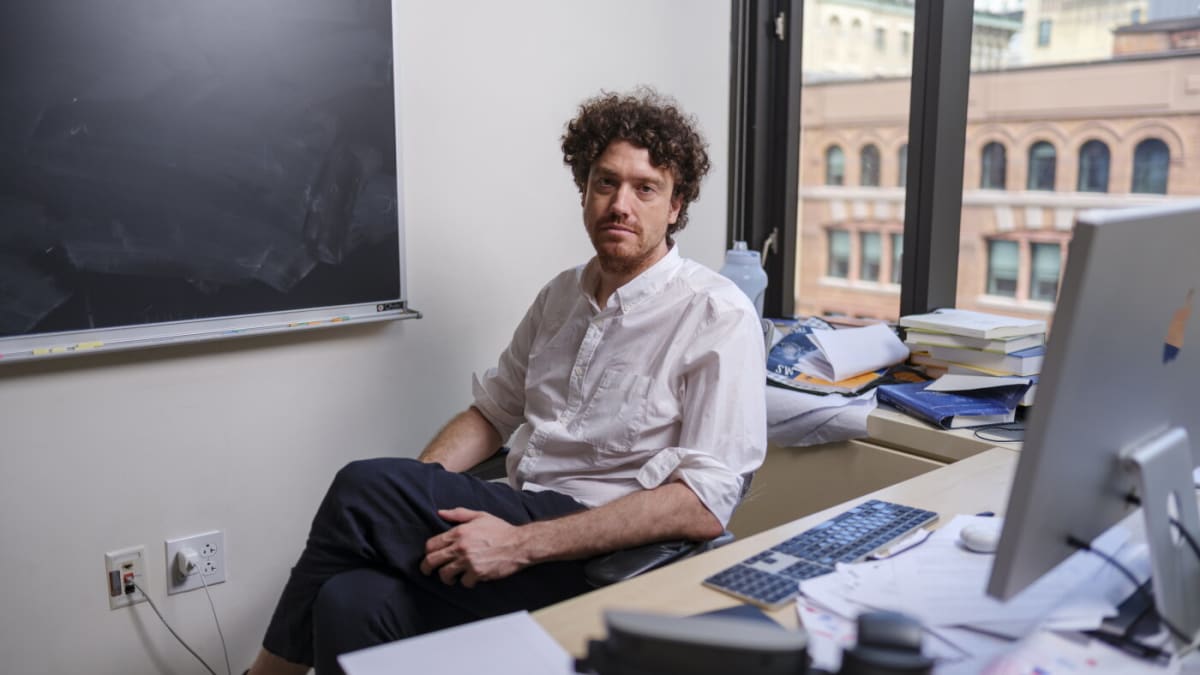
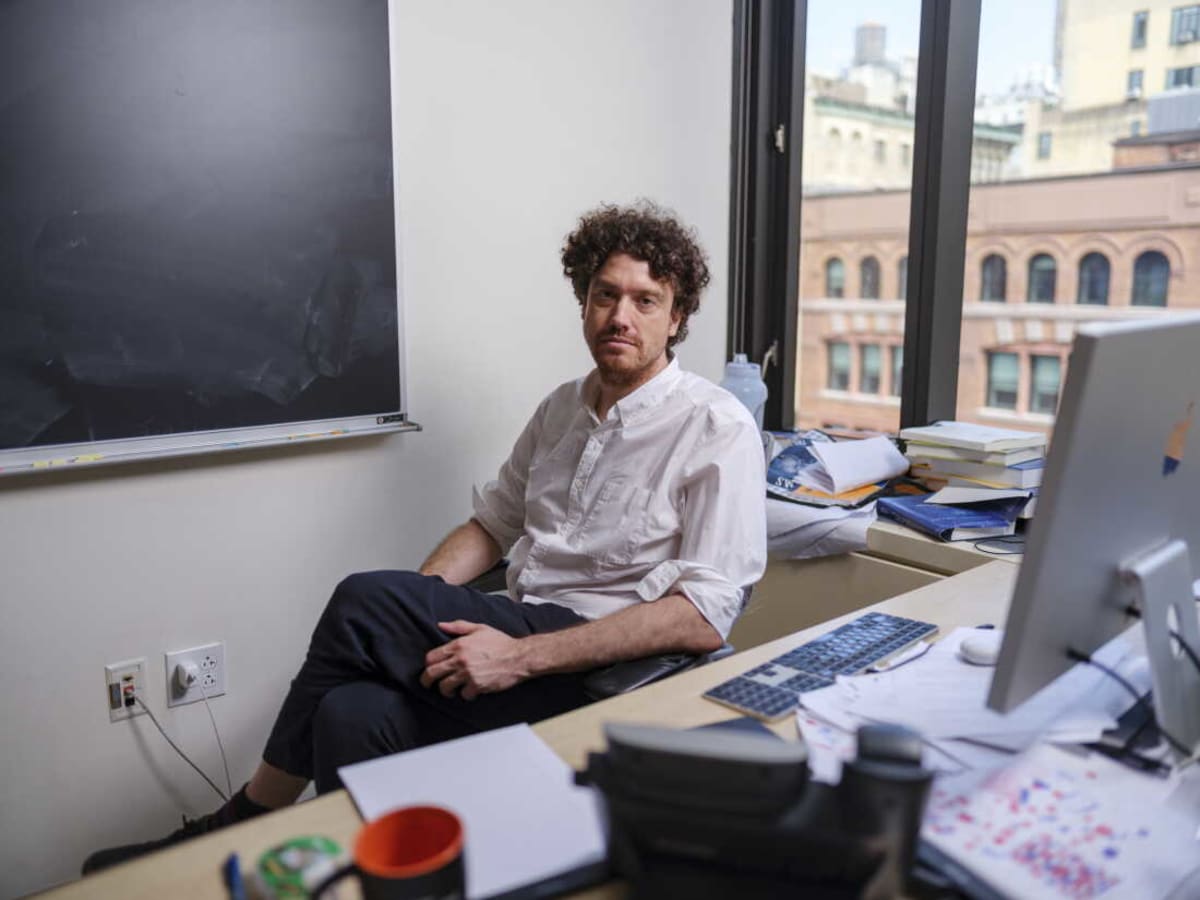
The breakthrough comes as researchers worldwide were closing in on their own solutions. Tristan Buckmaster at New York University and his collaborator Levent Alpöge had been using AI tools as helpful assistants in their own quest to solve the problem.
The dense AI-generated manuscript reads more like machine code than traditional mathematical writing, making it difficult for humans to extract the deeper insights that usually come from such discoveries. "The paper is not written for humans," said Javier Gómez-Serrano, a mathematician at Brown University who uses AI in his research.
Rather than viewing this as a setback, mathematicians see it as a learning moment. Twenty-five winners of the prestigious Fields Medal signed a statement calling for better collaboration between AI companies and the mathematics community.
The Ripple Effect
The response has already sparked positive change. OpenAI announced the creation of an independent mathematics advisory group to help translate and share future AI discoveries with the broader research community.
This collaboration model could become the blueprint for how artificial and human intelligence work together on other grand challenges. When AI finds solutions, human mathematicians can help translate them into insights that advance the entire field.
Martin Hairer, a top mathematician at EPFL in Switzerland, joined the new advisory panel. He and others believe that with proper rewriting and human interpretation, the proof will teach researchers new approaches to understanding complex fluid dynamics.
The breakthrough demonstrates that AI has genuinely arrived as a partner in mathematical discovery. Over the past six months, large language models have begun producing real results that lead to new mathematical insights, according to academic mathematicians.
Better understanding of the Navier-Stokes equations could lead to improved models of turbulence in fluids and more efficient aircraft design. The equations are already used daily across physics and engineering, but deeper insights could unlock entirely new applications.
The path forward combines the best of both worlds: AI's computational power to explore vast solution spaces, paired with human creativity to interpret findings and ask the next great questions.
More Images



Based on reporting by Google News - Business
This story was written by BrightWire based on verified news reports.
Spread the positivity!
Share this good news with someone who needs it