AI Cuts Wildlife Protection Work From Weeks to Hours
A new AI tool in Victoria, Australia, helps rangers identify 200+ species in wildlife photos at lightning speed, cutting analysis time from weeks to hours. Now conservation teams can respond to threats faster and spend more time protecting animals in the wild.
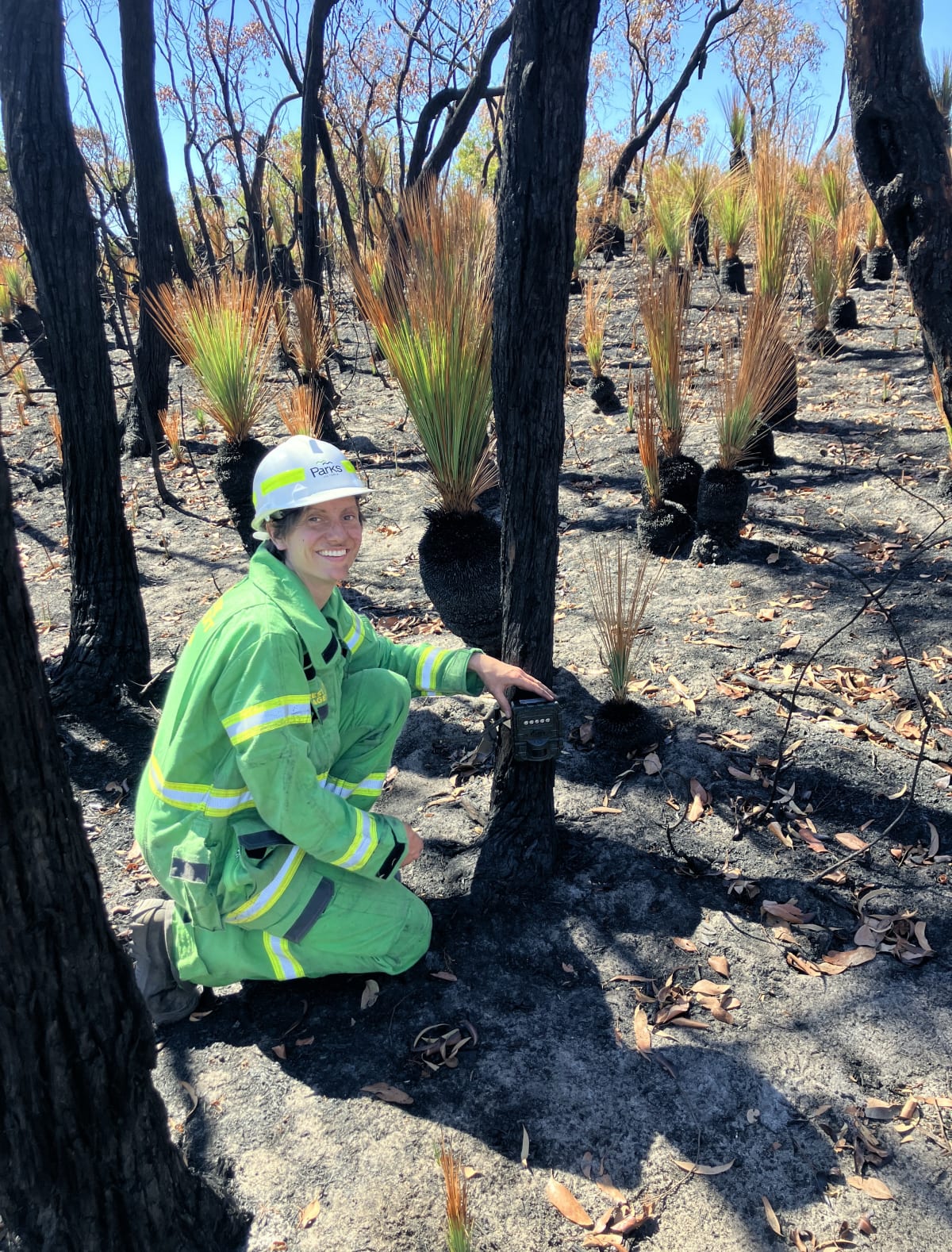
When conservation officer Erin Nash returned from the Otways with 73 cameras this year, she faced a daunting task: sorting through 39,000 wildlife images to find threatened species surviving the summer bushfires. What would normally take weeks took just hours, thanks to a groundbreaking AI tool that's transforming wildlife protection across Victoria.
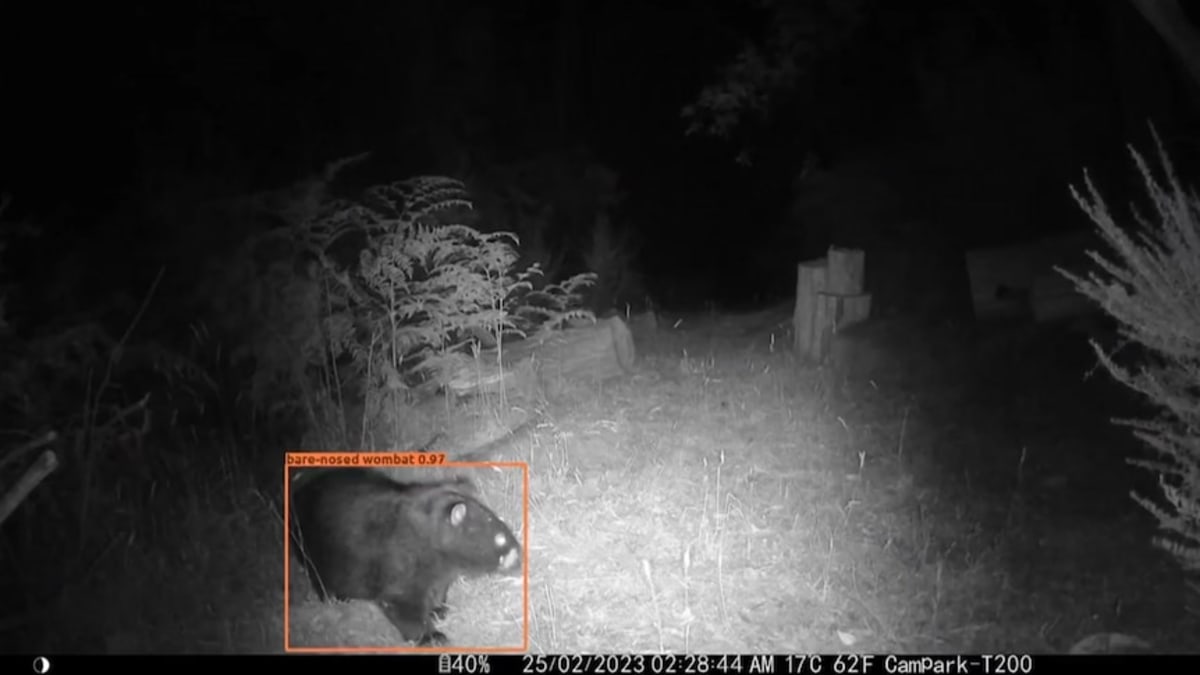
The tool, developed by Parks Victoria scientists and Dutch data expert Peter van Lunteren, processes 20 images per second with over 95% accuracy. It can identify more than 200 native and feral species, from tiny potoroos to camouflaged birds that even trained human eyes might miss.
Dr. Nash was monitoring how bushfires affected animals in the ranges, looking for surviving pockets of threatened species like bandicoots and swamp antechinus. Within hours of uploading her images, she spotted a serious problem: red deer invading burnt areas where thick vegetation once kept them out.
"I was able to quickly detect where we have a threat of red deer entering burnt areas, and I have already sent that intel over to deer control contractors," Dr. Nash said. The speed matters because feral animals can devastate vulnerable native species recovering from disaster.
Parks Victoria sets up thousands of cameras across the state each year. But motion sensors trigger on everything from falling leaves to swaying branches, generating millions of images that create lengthy backlogs.
Van Lunteren built the system while backpacking around Australia in a van, training it on five million images from 18 Victorian conservation organizations. The collaborative effort included Zoos Victoria, Traditional Owner groups, and universities all sharing data to protect local wildlife.
"If a model can take care of the bulk sorting, ecologists get to focus on what they're good at: interpreting results, making decisions and doing fieldwork," van Lunteren said. His hope is that eventually every region has its own model trained on local species.
The Ripple Effect
The tool lives on a free, open source platform available to land managers, conservation groups, academics, Traditional Owners, and citizen scientists across Australia. Chief Conservation Scientist Mark Norman calls it "better than the human eye" at spotting camouflaged or rare nocturnal animals.
The time and money saved goes straight back into conservation work. Images of feral pigs that might sit on hard drives for months can now trigger immediate action, giving threatened species their best chance at survival.
Rangers are already back in the field doing what they do best: protecting Australia's unique wildlife in real time.
More Images

Based on reporting by ABC Australia
This story was written by BrightWire based on verified news reports.
Spread the positivity!
Share this good news with someone who needs it