South African University Patents Break Down Bioplastics
Stellenbosch University researchers developed yeast that degrades biodegradable plastic into usable components, earning recognition among 20 patents granted in 2025. The innovation could transform how the world manages plastic waste.
Scientists in South Africa just made cleaning up our planet's plastic problem a whole lot easier.
Researchers at Stellenbosch University have created modified yeast cells that can break down polylactic acid, a common biodegradable plastic, into simple, functional components. The breakthrough earned them the Research Impact Award at the university's 2025 Inventors Awards ceremony on November 26.
Dr. Wessel Myburgh and Professors Willem Heber Van Zyl and Marinda Viljoen-Bloom collaborated with colleagues from the University of Padua in Italy to develop the technology. Their yeast produces special enzymes that essentially digest the plastic, turning waste into something useful again.
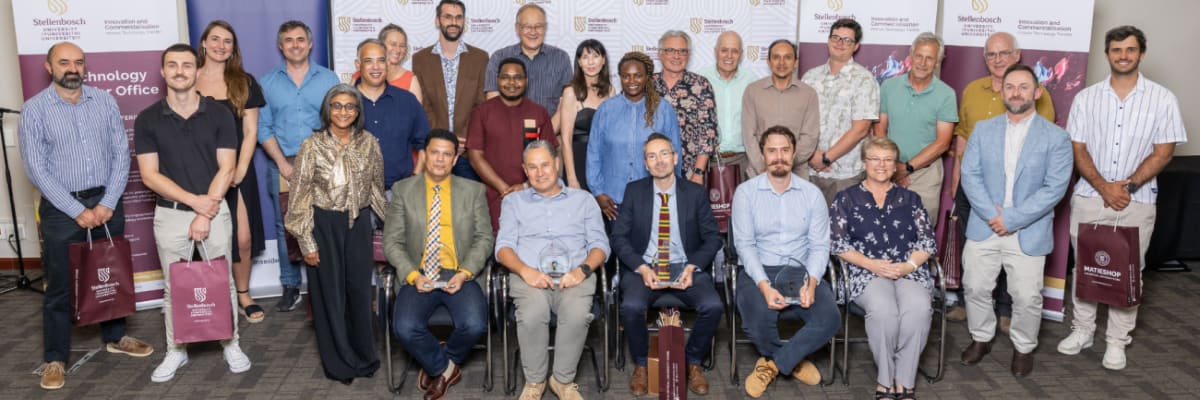
The award was one of 20 patent certificates presented at the event, recognizing innovations granted patents in countries including South Africa, China, the United States, and the United Kingdom. The ceremony, hosted at the Stellenbosch Institute for Advanced Study, brought together researchers, industry partners, and university staff to celebrate real-world solutions emerging from academic labs.
Ravini Moodley, Director of the university's Innovus Technology Transfer Office, highlighted how these patents represent more than academic achievements. "Each patent granted represents intensive novel research with clear steps toward solutions that can be scaled and commercialized," she said.
The Faculty of Engineering led the way with the most invention disclosures and spin-out companies in 2025, while the Faculty of Science secured the most granted patents. These numbers point to a growing ecosystem where ideas become businesses that solve actual problems.
The Ripple Effect
The plastic-eating yeast could help address one of waste management's biggest challenges. While polylactic acid is technically biodegradable, it requires specific conditions to break down naturally, often ending up in landfills where it persists for years.
This technology offers a faster, more controlled way to process this material, potentially turning plastic waste into valuable resources. It's the kind of innovation that starts in a lab but could eventually change how cities and countries handle waste.
Professor Benjamin Loos earned special recognition as the researcher with the most patents granted over five years, including a United States patent for technology measuring how cells perform self-cleaning. He even founded a company, PhagoFlux, to develop the sensing technology further.
Guest speaker Eugene Smit, CEO of Stellenbosch Nanofiber Company, shared his company's journey from research to patent to commercial success, encouraging other researchers to focus on quality innovations that can scale. He emphasized the crucial role patents play in turning scientific breakthroughs into products that reach people who need them.
The celebration shows how universities can be engines of hope, turning curiosity and hard work into tangible solutions for global challenges.
Based on reporting by Google News - Africa Innovation
This story was written by BrightWire based on verified news reports.
Spread the positivity!
Share this good news with someone who needs it