Helium Recovery Tech Cuts Waste in Critical Gas Shortage
Industry leaders are pioneering recovery systems that capture and reuse helium instead of letting it escape, tackling the global shortage of this irreplaceable gas. The shift could extend helium supplies for decades while keeping costs down for hospitals and researchers.
The party balloon gas that makes voices squeaky is running out, but a new approach is keeping this critical resource in circulation instead of letting it float away forever.
Helium does far more than fill balloons. Hospitals need it for MRI machines, scientists use it to cool quantum computers, and manufacturers rely on it for everything from fiber optics to rocket engines. Unlike other gases, helium can't be made in a lab and once it escapes into the atmosphere, it's gone for good.
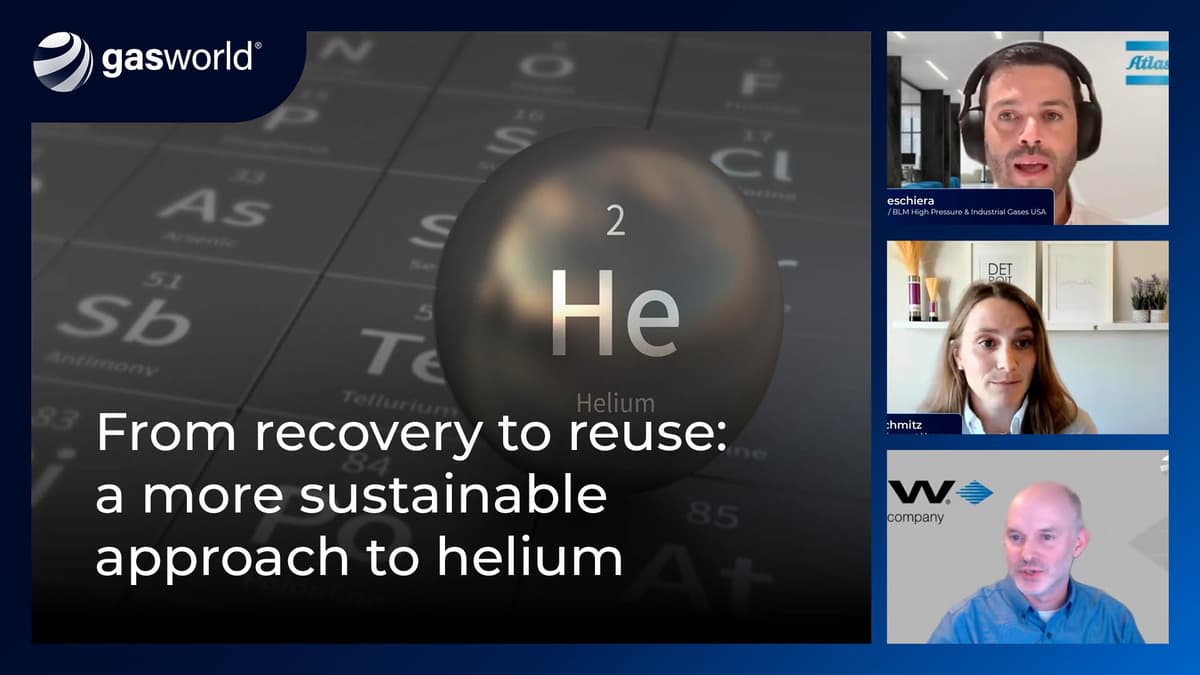
That's why experts from Atlas Copco, Evonik, and OPW gathered for a recent industry webinar focused on recovery and reuse. Their message was clear: capturing helium after use and putting it back into service is no longer optional.
Alfonso Peschiera from Atlas Copco highlighted how recovery systems now catch helium that would have simply vented into the air after a single use. The technology pulls the gas back, purifies it, and makes it ready for another round, cutting waste by up to 95% in some facilities.
Miriam Schmitz from Evonik emphasized how these systems make economic sense beyond environmental benefits. With helium prices rising and supplies tightening, reusing the gas protects research budgets and keeps medical equipment running without interruption.
The engineering challenges are real. Helium is the smallest atom in existence, which means it slips through microscopic gaps that would contain other gases. Recovery systems must handle contamination from other gases while maintaining the purity levels needed for sensitive applications.
The Ripple Effect
When hospitals and research labs adopt recovery systems, the benefits spread outward. Medical facilities can perform more MRI scans without worrying about helium shortages. Universities can continue experiments that push the boundaries of physics and materials science. Manufacturers maintain production lines that create the chips powering smartphones and computers.
The approach also eases pressure on the limited natural helium deposits left underground. Most helium comes from just a handful of sites in Qatar, Algeria, Russia, and the United States. Political tensions and facility shutdowns have disrupted supplies in recent years, making every recovered molecule more valuable.
Recovery systems turn helium from a one-time-use resource into something closer to renewable. Facilities that once ordered new helium shipments monthly can now stretch supplies for months or years.
The technology exists, the business case is proven, and adoption is growing across industries that depend on this remarkable gas for life-saving and world-changing work.
More Images



Based on reporting by Google News - Recovery Story
This story was written by BrightWire based on verified news reports.
Spread the positivity!
Share this good news with someone who needs it