AI-Designed Drug Shows Promise in Slowing Biological Aging
A drug designed entirely by artificial intelligence reduced biological age markers in early human trials, marking a potential milestone in longevity science. While the field of aging measurement is still evolving, the results hint at a future where AI could help extend healthy human lifespan.
Scientists just watched an AI-designed drug turn back the clock on biological aging in human patients for the first time.
The drug, called rentosertib, was created by Insilico Medicine without traditional laboratory guesswork. Instead, artificial intelligence designed the molecule from scratch to target the biological processes that make us age.
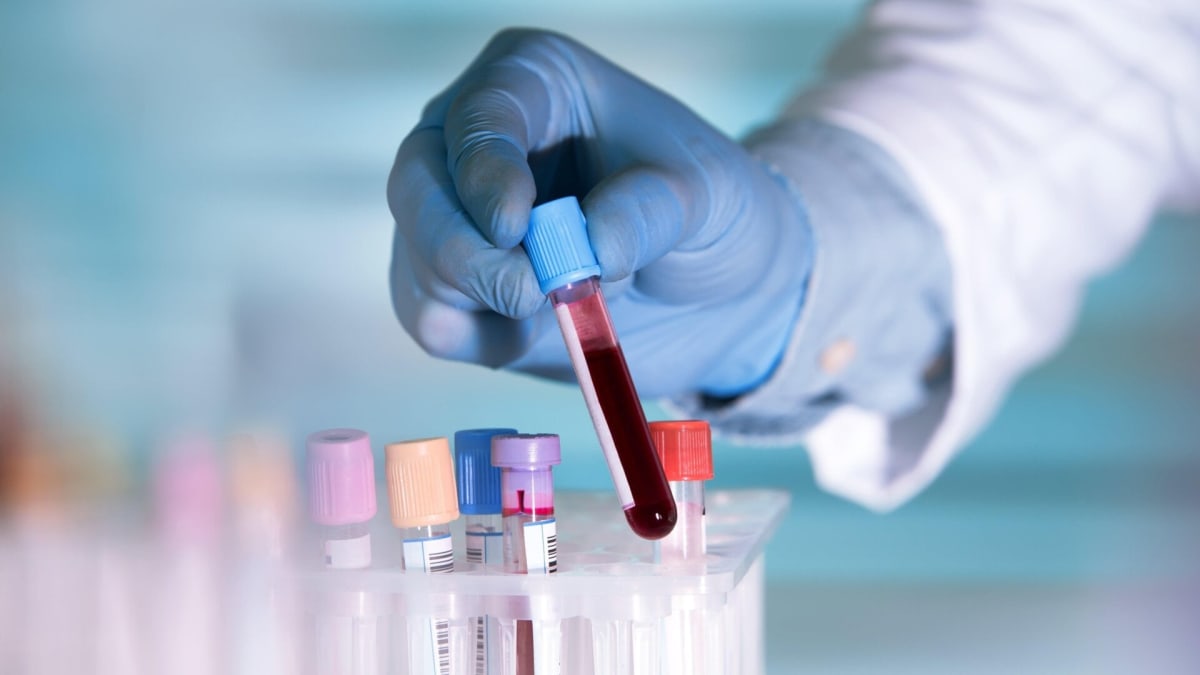
In a 12-week trial published in Nature Biotechnology, 42 participants took the new medication. Researchers measured their biological age using six different "aging clocks," tools that analyze blood markers, DNA changes, and other health indicators to estimate how old your body really is versus your calendar age.
The results surprised even the researchers. Patients taking rentosertib saw their biological ages decrease across all six measurements. Meanwhile, people who received placebos or no treatment stayed the same age or got biologically older.
Biological aging isn't just about wrinkles or gray hair. It reflects the wear and tear on your cells, organs, and systems that eventually leads to disease. If scientists could slow this process, people might live longer while staying healthier.
The drug was originally developed to treat chronic lung disease, but Insilico designed it with dual purpose in mind. By targeting aging pathways, the company hoped to both heal lungs and extend lifespan.
The Bright Side
This study represents something bigger than one promising pill. It's the first real-world proof that AI can design medications for complex problems like aging, then see those designs work in human bodies.
The technology could dramatically speed up drug discovery. What once took decades of trial and error in laboratories now happens in digital simulations first. AI learns from millions of data points to predict which molecules might actually work before scientists ever mix chemicals in a beaker.
Of course, aging clocks themselves are still being perfected. Scientists debate which measurements matter most, and some warn against chasing lower "age" scores without understanding what truly keeps bodies healthy. Insilico's drug faces years more testing before any regulatory approval.
But the core achievement stands. An artificial intelligence imagined a drug that had never existed, predicted it would slow human aging, and early evidence suggests the AI was right. That's a genuinely new chapter in medicine.
The drug won't hit pharmacy shelves anytime soon, but it's already opened a door that seemed locked just years ago.
More Images



Based on reporting by Google News - Health
This story was written by BrightWire based on verified news reports.
Spread the positivity!
Share this good news with someone who needs it