AI Designs Gene Editors That Cut DNA With Pinpoint Accuracy
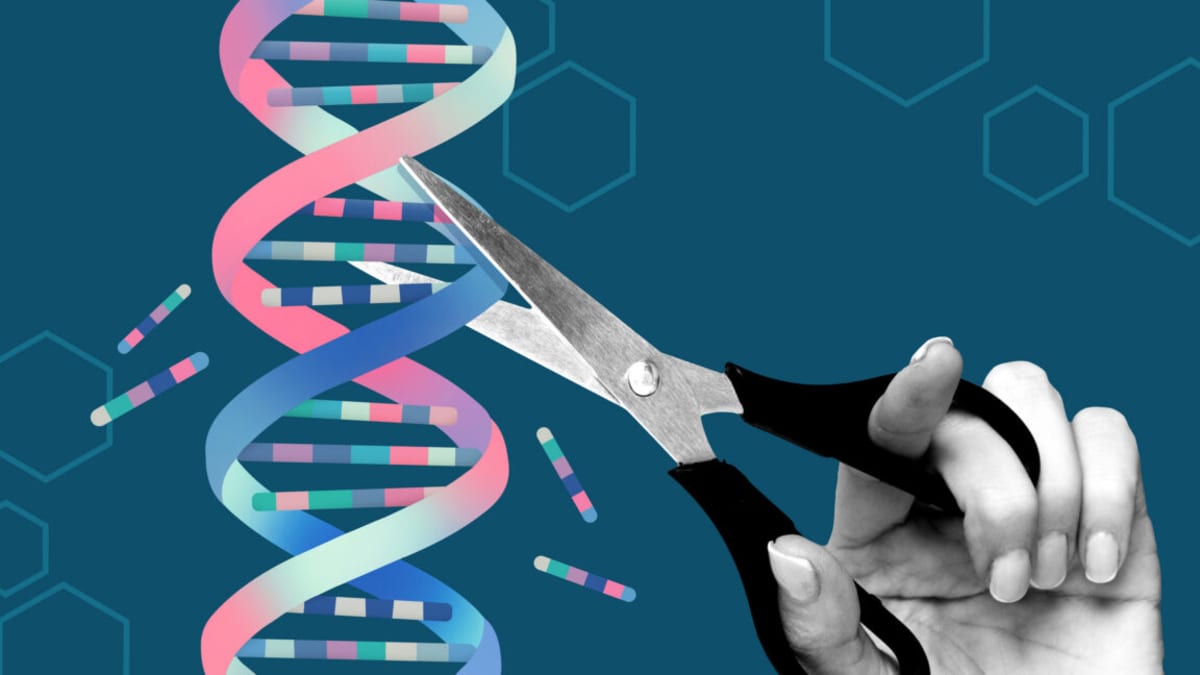
Scientists are using artificial intelligence to create safer, more precise CRISPR gene editing tools that could make genetic therapies dramatically more effective. Two breakthrough studies show AI can both improve existing molecular scissors and design entirely new ones from scratch.
Gene editing just got a powerful upgrade, and it could make life-saving treatments safer for millions of people.
Researchers are now using AI to design CRISPR gene editors that hit their targets with unprecedented precision. Two recent studies show that algorithms can create molecular scissors that avoid dangerous mistakes, bringing us closer to reliable genetic therapies for everything from blood disorders to cancer.
The challenge has always been accuracy. CRISPR's protein scissors sometimes cut the wrong spot in our DNA, creating potentially harmful changes. Even a slip the width of a hydrogen atom can cause these molecular tools to latch onto the wrong gene, triggering what scientists call off-target effects.
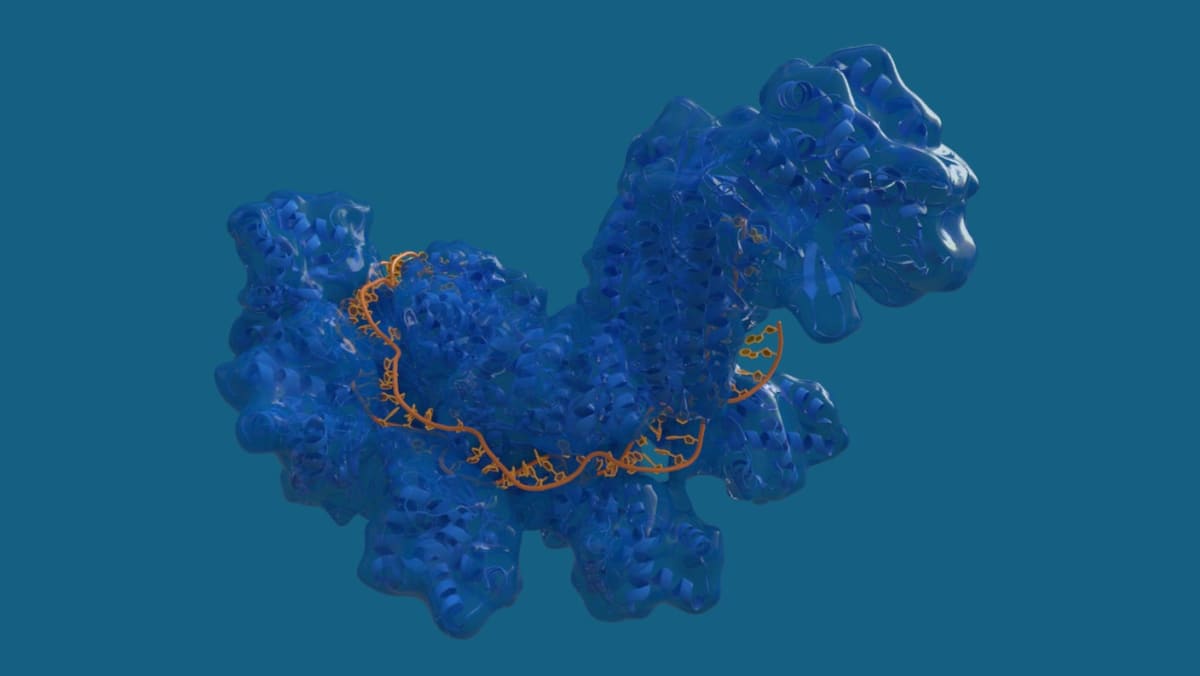
In one study, a Chinese research team used Google DeepMind's AlphaFold 3 to solve this problem. They created an AI called ContactSeek that analyzed thousands of successful and mistaken gene edits, learning which parts of CRISPR's scissors needed improvement.
With just two tiny changes, their redesigned editor outperformed several existing high-precision versions. It made the right cuts without losing its effectiveness, solving a tradeoff that has plagued the field for years.
A second team, led by CRISPR pioneer Jennifer Doudna, went even further. They asked AI to dream up entirely new molecular scissors from scratch, generating thousands of synthetic candidates that don't exist in nature.
The AI-designed proteins looked markedly different from natural versions, but they worked. They successfully edited genes in cells from multiple species, proving that artificial intelligence can create functional biological tools we never would have discovered otherwise.
Why This Inspires
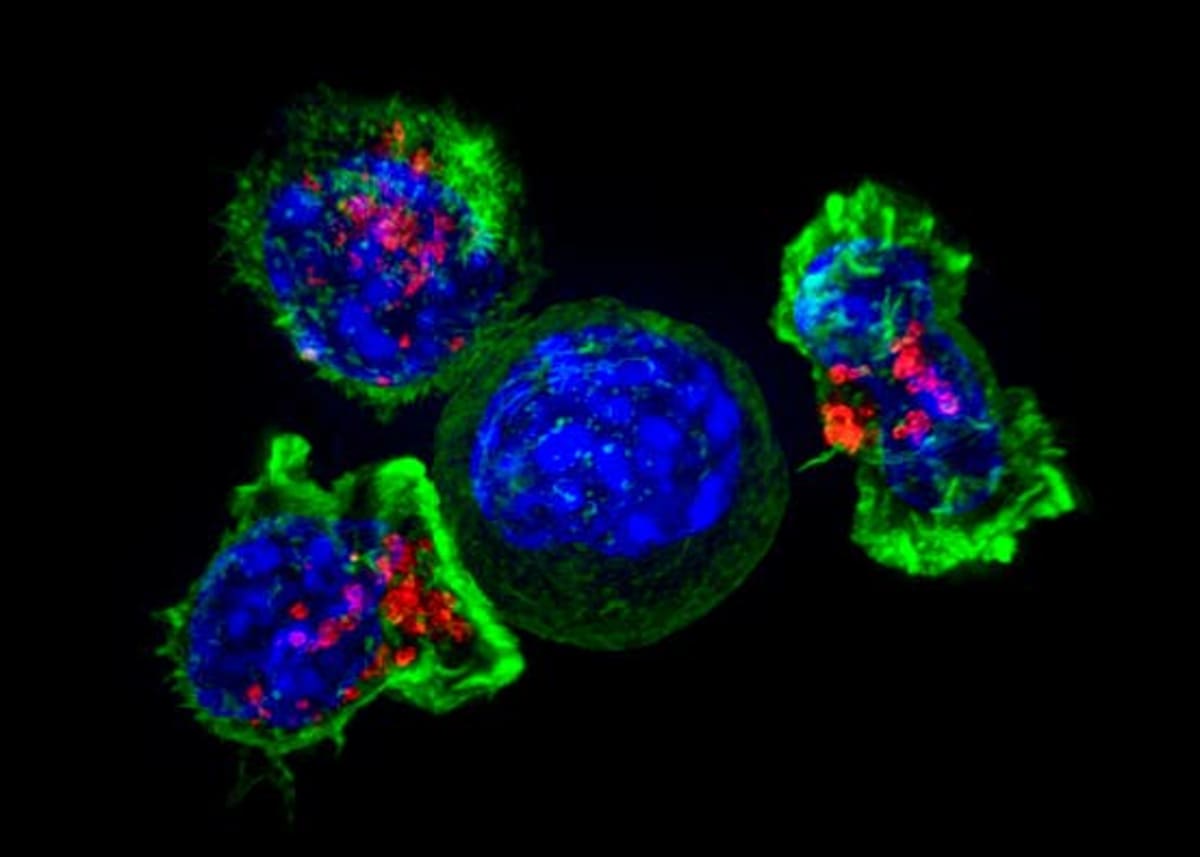
These breakthroughs expand what's possible in medicine. More precise gene editing means safer treatments for inherited blindness, high cholesterol, and blood disorders. It could transform cancer therapy by helping doctors engineer immune cells that attack tumors without damaging healthy tissue.
Traditional methods required tedious trial and error, testing one variant at a time. AI can now analyze thousands of potential designs at once, revealing patterns humans might miss and accelerating progress that once took years.
The tools still need testing inside living bodies, but the foundation is solid. As AI learns from more data and scientists discover new natural gene editors, these molecular scissors will only get sharper.
Gene therapy is moving from experimental treatment to reliable medicine, one precise cut at a time.
More Images

Based on reporting by Singularity Hub
This story was written by BrightWire based on verified news reports.
Spread the positivity!
Share this good news with someone who needs it