AI Makes Gene Editing Safer for Future Medical Treatments
Scientists used AlphaFold AI to redesign gene-editing proteins, making them dramatically safer by nearly eliminating unwanted DNA changes. This breakthrough could help life-saving gene therapies reach more patients with fewer risks.
Gene editing just got a major safety upgrade, thanks to artificial intelligence that can predict how proteins fold and interact with DNA.
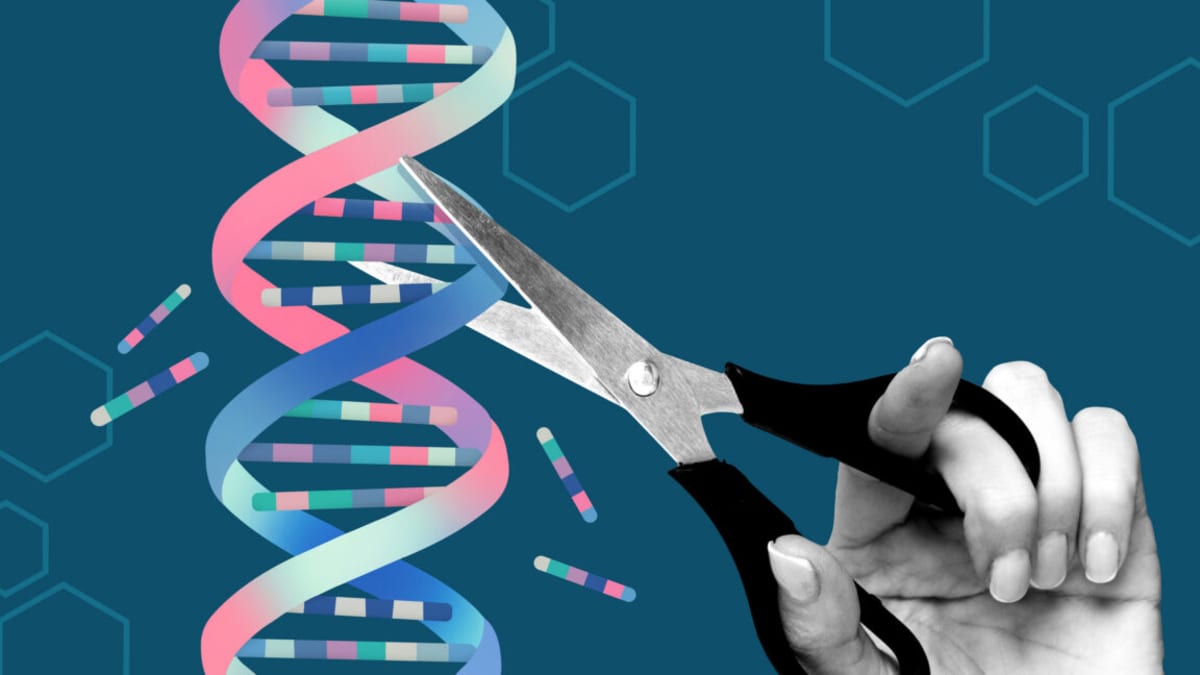
Scientists have spent years perfecting CRISPR and other gene-editing tools that could cure genetic diseases. But there's been one persistent problem: these molecular scissors sometimes cut the wrong spots in our DNA, creating dangerous off-target effects.
Think of it like a super precise GPS that occasionally glitches and takes you to the wrong address. When you're editing billions of cells in a person's body, even rare mistakes add up fast.
A team of Chinese researchers figured out a clever solution. They used AlphaFold, the same AI that won a Nobel Prize for predicting protein shapes, to see exactly how gene-editing proteins interact with DNA when things go wrong.
The scientists first created a library of 10 different guide sequences and tracked down all the places where the editing system accidentally made changes. They found hundreds of off-target sites where the molecular machinery was cutting DNA it shouldn't touch.
Then they fed this information into AlphaFold along with the genetic sequences. The AI revealed something fascinating: when the gene editor encountered mismatched DNA sequences, the Cas9 protein twisted into slightly different shapes, creating new contact points that allowed it to stick where it shouldn't.
By comparing structures from correct and incorrect edits, the researchers identified specific amino acids in the Cas9 protein that were causing the problem. These amino acids were flexing and adapting to accommodate mismatched sequences, essentially being too flexible for safety.
The Bright Side
This discovery opens a clear path forward. Now that scientists know exactly which parts of gene-editing proteins cause off-target effects, they can redesign those regions to be more selective.
Several modified versions of Cas9 already exist with better safety profiles. This new AI-powered approach gives researchers a systematic way to make them even safer, testing modifications virtually before building them in the lab.
The breakthrough comes at a perfect time. The first gene-editing therapies are just reaching patients, treating conditions like sickle cell disease. Making these treatments safer means they can help more people with fewer side effects and regulatory hurdles.
Better gene editing could transform medicine for thousands of genetic diseases that currently have no cure.
More Images



Based on reporting by Ars Technica Science
This story was written by BrightWire based on verified news reports.
Spread the positivity!
Share this good news with someone who needs it