Customers Want AI Help But Not AI Control, Study Finds
A new Adobe report reveals what customers really want from AI: faster service with a human safety net. The key to trust isn't just better technology—it's knowing you can reach a real person when it matters.
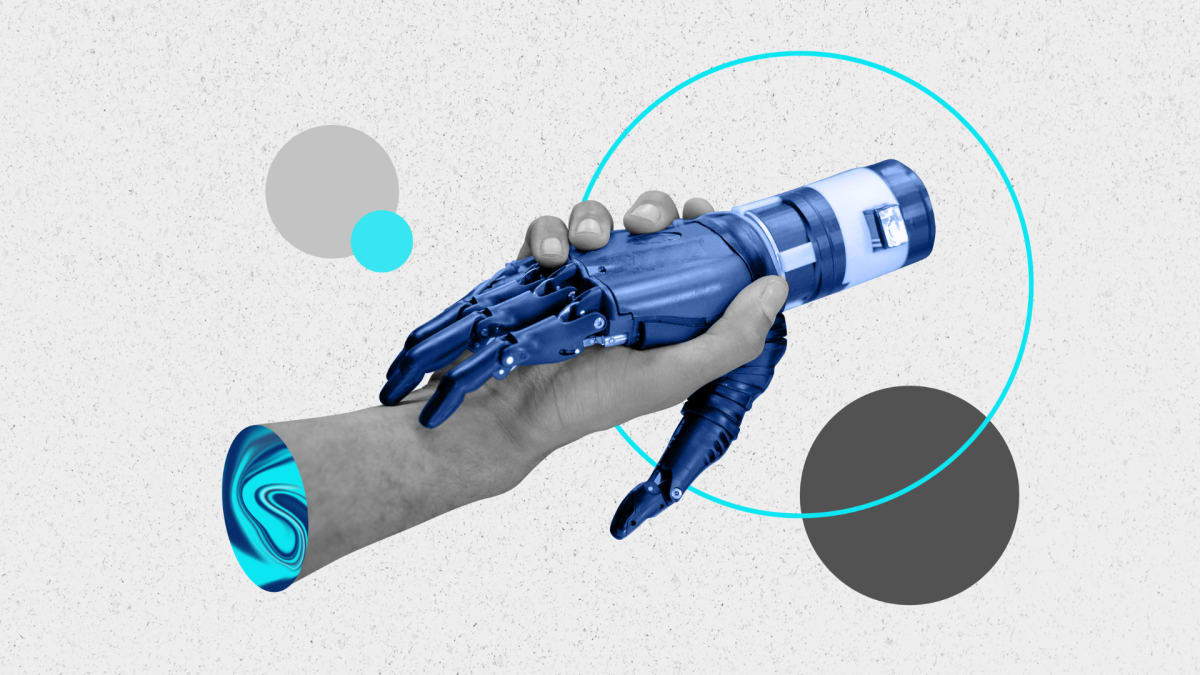
Customers are ready to embrace AI, but only if they know a human has their back when things get complicated.
Adobe's 2026 AI and Digital Trends Consumer Report surveyed thousands of customers and found something fascinating: 56% expect AI to improve their experience with brands. Nearly half would try an AI concierge for routine tasks.
But here's the catch. Only 19% want AI agents to become their main way of interacting with companies. When asked what would make them trust AI more, the top answer was simple: the ability to switch to a human at any time.
This isn't about rejecting technology. Customers want the speed and convenience AI delivers for simple tasks like tracking orders or answering basic questions. They just need to know they're not trapped in an automated loop when something goes wrong.
The research reveals a deeper insight about boundaries. People want to understand what an AI system can do, how much authority it has, and when they can take back control. Access to a human provides an exit strategy that makes the whole experience feel safer.
Why This Inspires
The findings point toward a better future where technology and humanity work together instead of competing. Companies that get this balance right will create experiences that feel both efficient and caring.
For routine tasks, AI can save everyone time. For complex or emotional situations, human judgment remains irreplaceable. A private banking client pays for personal service and professional relationships, not just financial calculations. But AI can still help that human advisor deliver better, faster insights.
The key is designing these boundaries from the start. Michael Schreibmann, CEO of Star, calls this "trust by design." It means building AI systems that create clear benefits while giving people control over the relationship.
Smart companies are already asking the right questions: What should this AI do? When should it ask for confirmation? When must a person step in? Can users reverse a decision or stop the interaction?
The answers vary by situation. Shopping recommendations need different boundaries than healthcare decisions or financial advice. But the principle stays the same: as stakes rise, people need more control and clearer access to human judgment.
This approach isn't just ethical—it's good business. Companies that design trustworthy AI experiences give customers the confidence to adopt the technology more fully. Trust becomes a competitive advantage.
The future won't be purely human or purely automated. It will be an ongoing partnership between people and intelligent systems, where authority remains something humans grant rather than something AI assumes.
More Images


Based on reporting by Fast Company
This story was written by BrightWire based on verified news reports.
Spread the positivity!
Share this good news with someone who needs it