AI Designs Hip Implants That Last Longer Than Ever
Scientists are using artificial intelligence to create hip replacements that could last decades instead of wearing out after 10 years. The breakthrough involves materials that actually get thicker when stretched, defying normal physics.
Two million steps a year is all it takes to wear out a hip replacement, forcing millions of patients to go through surgery all over again after a decade.
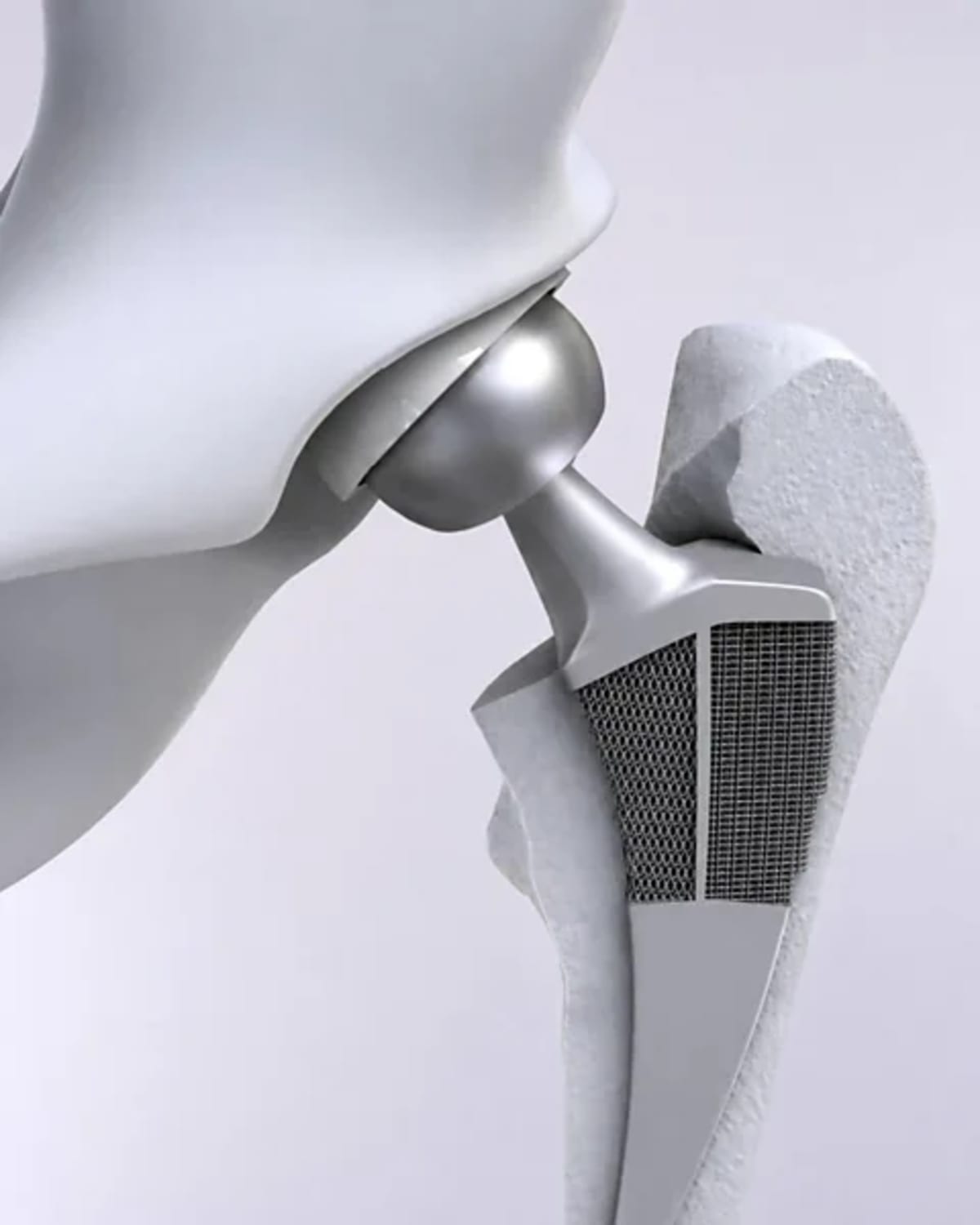
But Professor Amir Zadpoor at Leiden University Medical Center in the Netherlands has cracked the code. His team used artificial intelligence to design a material that does something nearly impossible: it gets thicker when stretched, just like bone does.
This matters because traditional hip implants gradually loosen over time. Every step puts pressure on the joint, slowly wearing down the connection between the implant and your femur. Zadpoor's new design uses two special materials that work together to keep the implant snugly in place, no matter how much you walk.
The challenge was finding a material that's both stretchy and stiff. When you pull a rubber band, it gets thinner as it elongates. Zadpoor needed the opposite effect, but the few materials that behave this way are too soft for bone support.
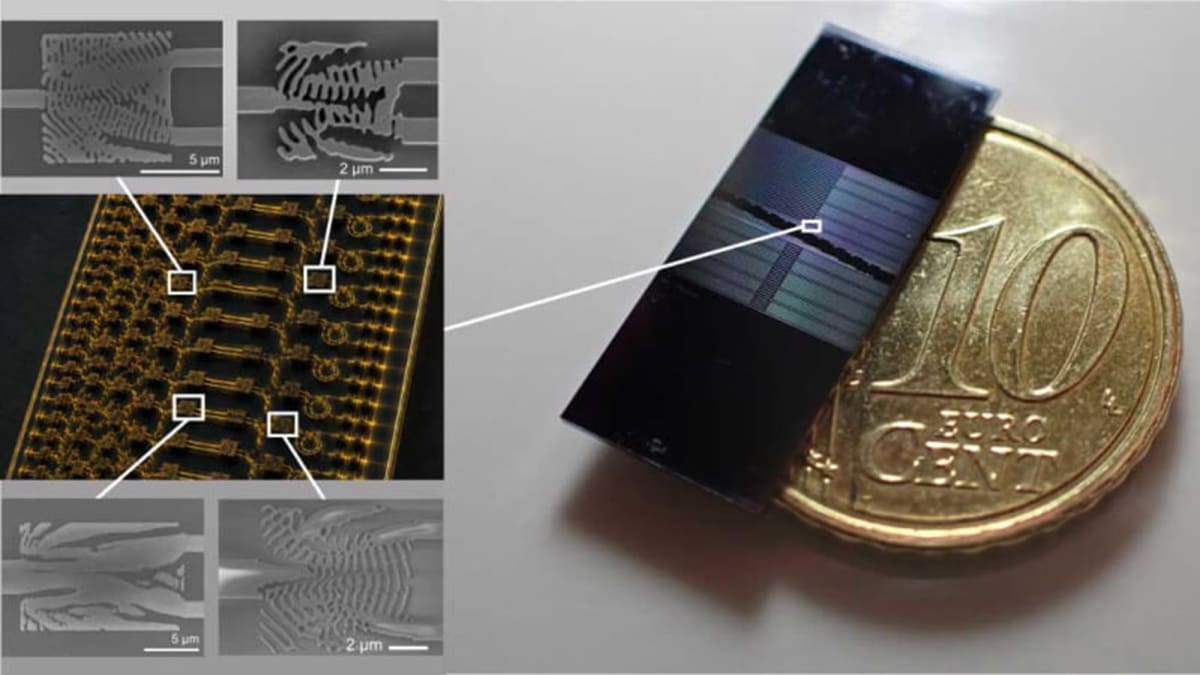
Enter artificial intelligence. The team trained an AI system to predict how different microscopic structures would behave under pressure. Within minutes, the machine designed a "metamaterial" with the exact properties they needed.
Machine learning speeds up the process by thousands of times compared to traditional methods. What used to take years of trial and error now happens in seconds.
The Ripple Effect
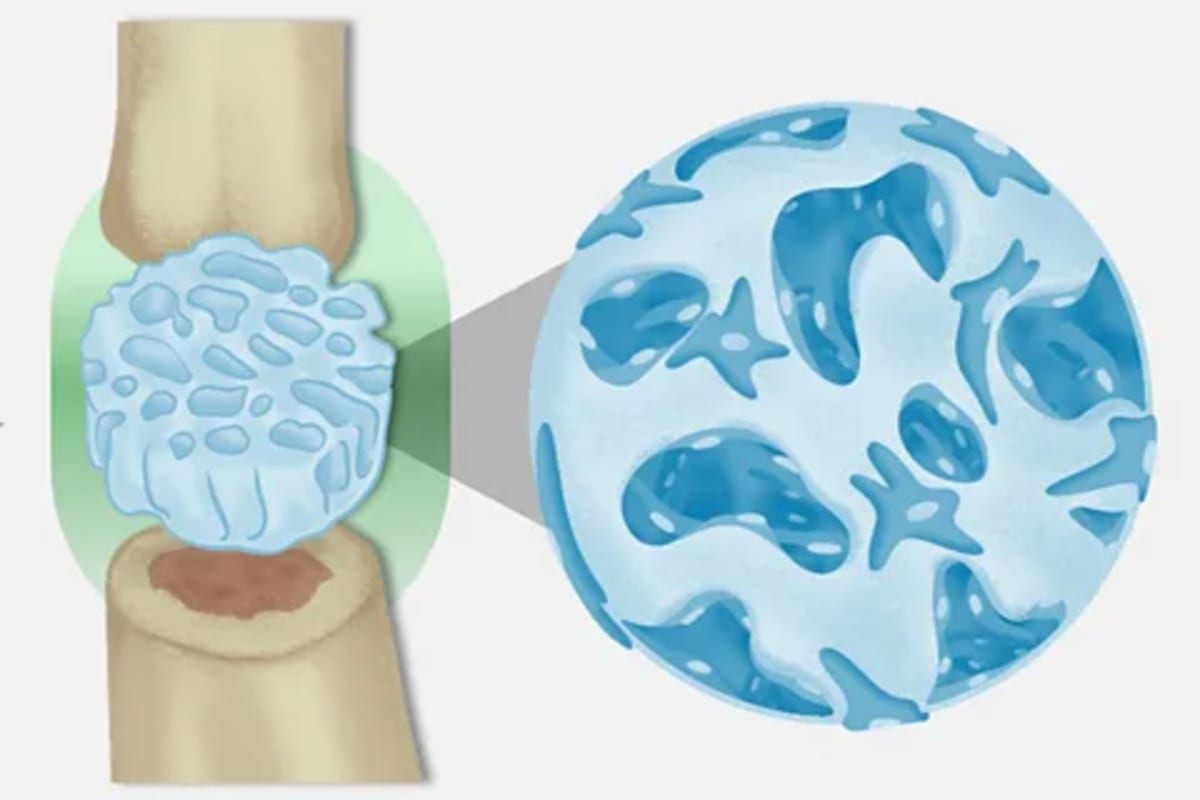
The same AI approach is revolutionizing how doctors treat bone fractures in elderly patients. Researcher Sid Kumar at TU Delft used similar technology to create soft, jelly-like implants that encourage bones to heal naturally.
Current metal plates and screws are too rigid, causing the bone around them to weaken and sometimes die. Kumar's porous implants mimic the soft tissue that forms during early healing, allowing living bone cells to integrate and strengthen the repair.
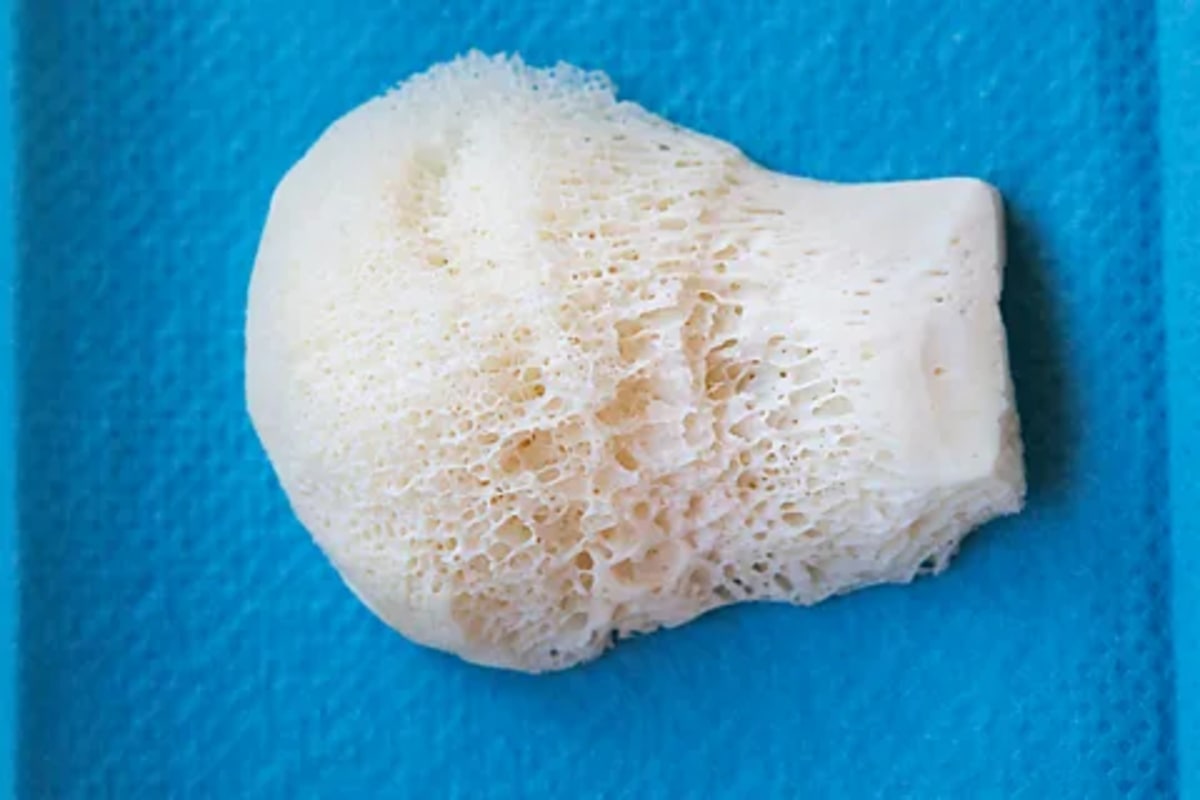
These new materials copy the honeycomb structure found inside healthy bones. This gives them the flexibility to absorb shocks during exercise while still providing the strength needed to support your weight.
The best part? Machine learning might soon make it possible to customize each implant to match a patient's unique anatomy. Training an AI model takes about a year, but once it's ready, it can generate thousands of custom designs in minutes.
For the millions of people who need hip replacements each year, this means fewer repeat surgeries, faster recovery times, and implants that truly become part of their bodies instead of foreign objects wearing out over time.
More Images

Based on reporting by BBC Future
This story was written by BrightWire based on verified news reports.
Spread the positivity!
Share this good news with someone who needs it