Scientists Solve AI's Looming Data Crisis With One Fix
Researchers discovered a simple solution to prevent AI systems from "collapsing" when they run out of human-made data to learn from. Adding just one verified human data point to AI training can stop models from spouting nonsense.
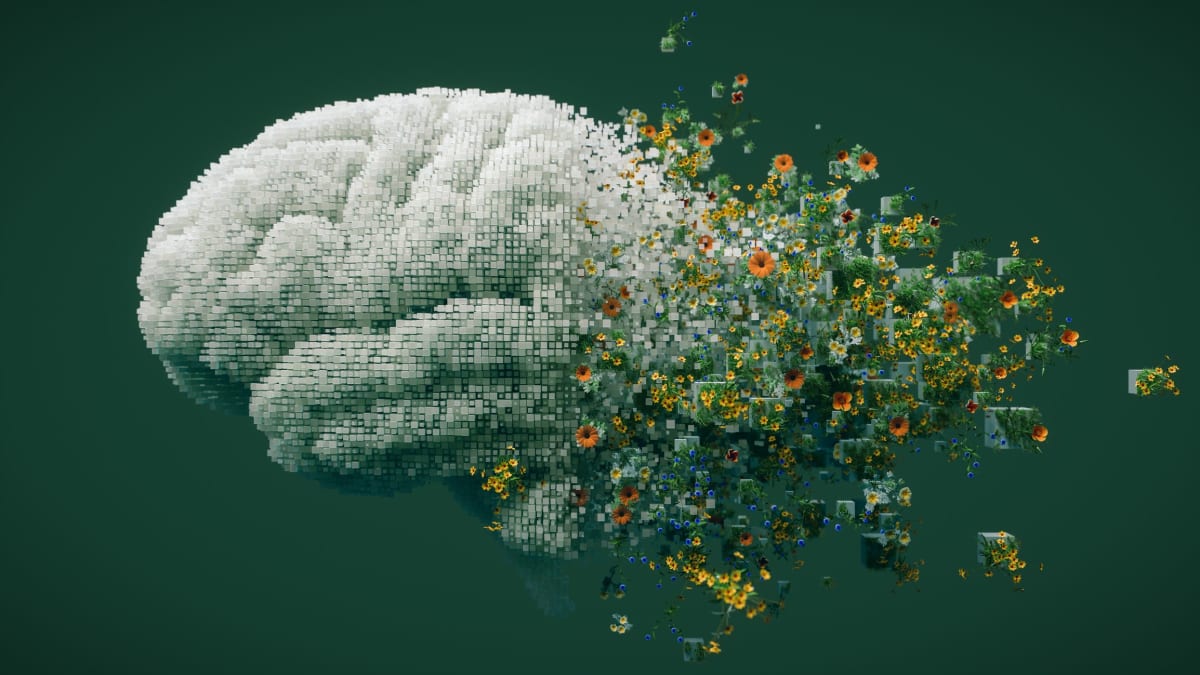
Scientists just figured out how to save artificial intelligence from eating itself alive.
As AI systems like ChatGPT grow more sophisticated, they're facing an unexpected problem. High-quality human-made data for training these models could run out by the end of this year, forcing AI to learn from content created by other AI systems instead.
When AI trains on AI-generated information, something disturbing happens. The models start experiencing "model collapse," where they lose accuracy, produce bland responses, or spout complete gibberish.
"If you had LLMs that were used in hospitals to analyze brain scans and find cancers, if while training another model they experienced model collapse, these machines could misdiagnose people," explained Yasser Roudi, a professor at King's College London.
But Roudi and his international research team just published a breakthrough solution in Physical Review Letters. They discovered that adding a single verified human data point to an AI's training prevents collapse, even when everything else comes from AI-generated sources.
The team tested their theory using smaller probability models before applying it to AI systems. They found that one piece of "ground truth" information, something undeniably true and verified by humans, acts like an anchor keeping the AI tethered to reality.
Think of it like a game of telephone. When AI learns from AI that learned from AI, the original message gets distorted until it's unrecognizable. That single human data point keeps the message clear through every generation.
The Bright Side
This discovery comes at the perfect time. While we haven't seen dramatic AI meltdowns in widely used systems yet, the warning signs are already appearing in increasingly bland responses and fabricated information.
The researchers tested their solution on image and video classifiers, training AI models on mostly synthetic data but including one real image correctly labeled by a human. The results held strong.
The best part? AI engineers building the next generation of chatbots and language models can apply these findings immediately. The research provides clear ground rules for preventing future collapses without requiring massive overhauls of existing systems.
Roudi's team is now scaling up their tests to larger, more complex AI models to confirm the principle holds at every level. Early results suggest this simple fix could work across the entire AI landscape.
For hospitals, schools, and businesses relying on AI systems for critical decisions, this research offers reassurance that these tools won't suddenly start delivering dangerous misinformation as they evolve.
The solution proves that human insight remains essential even as machines grow smarter, creating a sustainable path forward where AI and human knowledge work together instead of machines spiraling into synthetic confusion.
More Images

Based on reporting by Live Science
This story was written by BrightWire based on verified news reports.
Spread the positivity!
Share this good news with someone who needs it