AI Detects Whale Breath Heat to Prevent Ship Strikes
Scientists in San Francisco Bay are using heat-sensing AI cameras that spot whale breath to warn ships in real time. The system detected 180 whale blows within its first hour of operation.
Scientists just turned whale breath into a lifesaving early warning system for ships crossing San Francisco Bay.
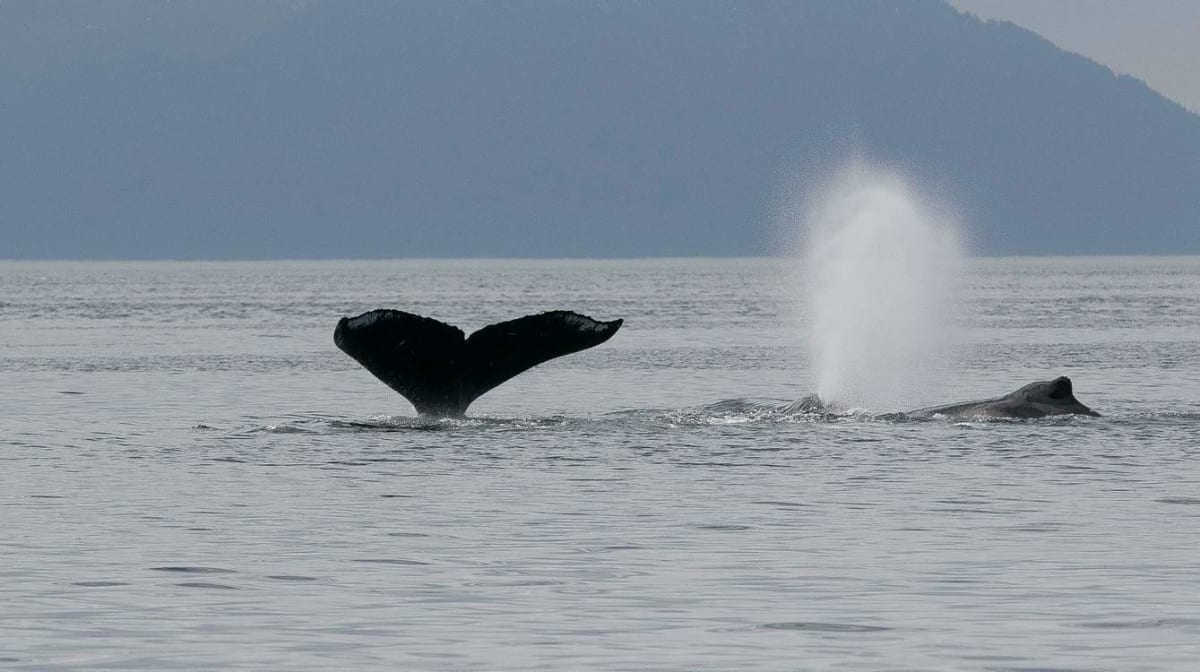
Marine researchers launched Whale Spotter, a network of AI-powered thermal cameras that detect the warm breath of grey whales against cold ocean water. When a whale surfaces and exhales, the system instantly spots the heat signature and uploads the location to a digital map that ship captains can access in real time.
The technology couldn't come at a better time. Grey whales, which can grow up to 50 feet long, are appearing in San Francisco Bay more frequently than ever before. Ship strikes remain one of the leading causes of whale deaths worldwide.
Dr. Douglas McCauley, director of the Benioff Ocean Science Laboratory, told CBS News the problem has been getting worse. But he believes this AI solution can make an immediate difference.
The team installed the first thermal camera on Angel Island and mounted a second on a commuter ferry that runs regular routes to Vallejo. The results surprised even the scientists behind the project.
"About an hour after plugging it in, we saw 180 blows," McCauley said. Those blows came from a handful of whales moving through the bay, giving ships constant updates on where to steer clear.
The Ripple Effect
This isn't the first time scientists have tried to protect whales from collisions, but it might be the most practical. Previous efforts included powerful imaging satellites in the North Atlantic and underwater microphones that pick up sperm whale clicks in the Mediterranean.
What makes Whale Spotter different is its simplicity and speed. Ship captains don't need special training or expensive equipment. They just check a map and adjust their route.
The Benioff Laboratory expects to know within months whether fewer whales are dying from ship strikes. Early results suggest the technology works exactly as hoped, detecting whales consistently even in busy shipping lanes.
Marine mammal experts gathered in San Francisco to celebrate the launch, hopeful that what works in the bay could eventually protect whales in shipping channels worldwide. The heat-sensing cameras operate around the clock, giving grey whales a 24-hour guardian watching over their migration path.
More Images


Based on reporting by Good News Network
This story was written by BrightWire based on verified news reports.
Spread the positivity!
Share this good news with someone who needs it