AI Drug Trials Hit Make-or-Break Moment in 2026
After years of promise, artificial intelligence in drug discovery faces its biggest test yet as the first AI-designed medications enter final-stage clinical trials. The results could either prove AI can revolutionize medicine or reveal the technology still has a long way to go.
For the first time in history, drugs designed by artificial intelligence are entering their final tests in humans, and the medical world is holding its breath.
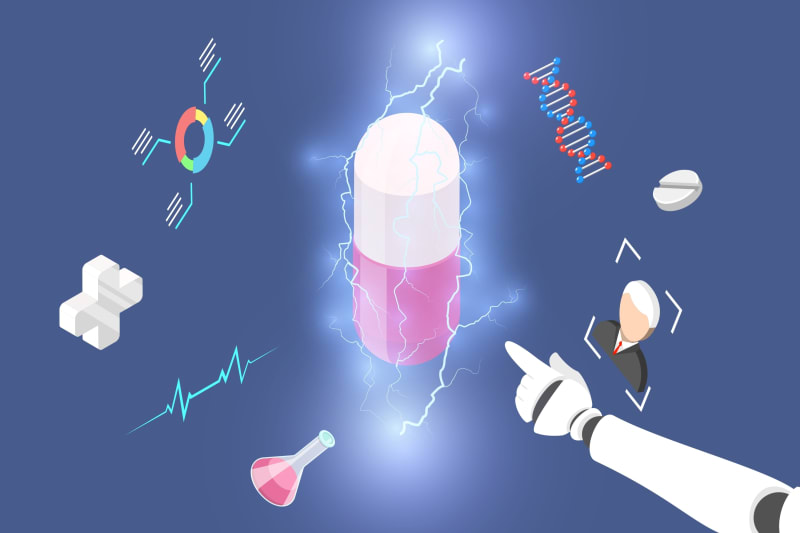
Throughout 2026, multiple AI-created medications will complete Phase III trials, the crucial last step before potential FDA approval. These results will answer a decade-long question: Can AI actually create better medicines, or just create them faster?
The stakes couldn't be higher. Drug development typically fails 90 percent of the time, costing billions of dollars and years of work. AI companies have promised they can beat those odds by using machine learning to predict which drug candidates will actually work in people.
Early signs show real progress in the lab. AI tools are cutting early drug discovery time by 30 to 40 percent, shrinking what used to take three to four years down to just 13 to 18 months. Some AI systems are finding promising drug candidates at rates 160 times better than traditional computer methods.
But speed isn't everything. The real question is whether these faster-designed drugs are more effective and safer when tested in thousands of patients.
The industry landscape reflects this uncertainty. While projections suggest the AI drug discovery market will grow from $7 billion to $10 billion this year, dozens of smaller AI biotech companies shut down in 2025 or cut their workforces by over 20 percent. Investors are getting pickier about where they place their bets.
The Bright Side
Even if AI drugs don't prove more effective than traditional ones, cutting discovery time nearly in half means patients could get new treatments years sooner. For people with rare diseases or conditions without good therapies, those saved years could be life-changing.
Regulators are stepping up too. The FDA is finalizing guidance this year that will establish clear standards for AI in drug development, giving companies a roadmap to follow. The European Union's AI Act takes effect in August, creating new safety requirements for high-risk medical AI applications.
Dr. Raminderpal Singh, who analyzes AI in drug discovery, notes that the technology has already proven valuable for compressing early research timelines, even as questions remain about clinical outcomes. Several major pharmaceutical companies have committed to announcing results from AI-designed drug trials over the next 18 months.
Whether AI transforms medicine or simply speeds up existing processes, 2026 will provide the clearest answers yet about the technology's true potential to help patients.
More Images
Based on reporting by Google: scientific discovery
This story was written by BrightWire based on verified news reports.
Spread the positivity!
Share this good news with someone who needs it