AI Finds 3,000 New Antibiotics in Earth's Extreme Habitats
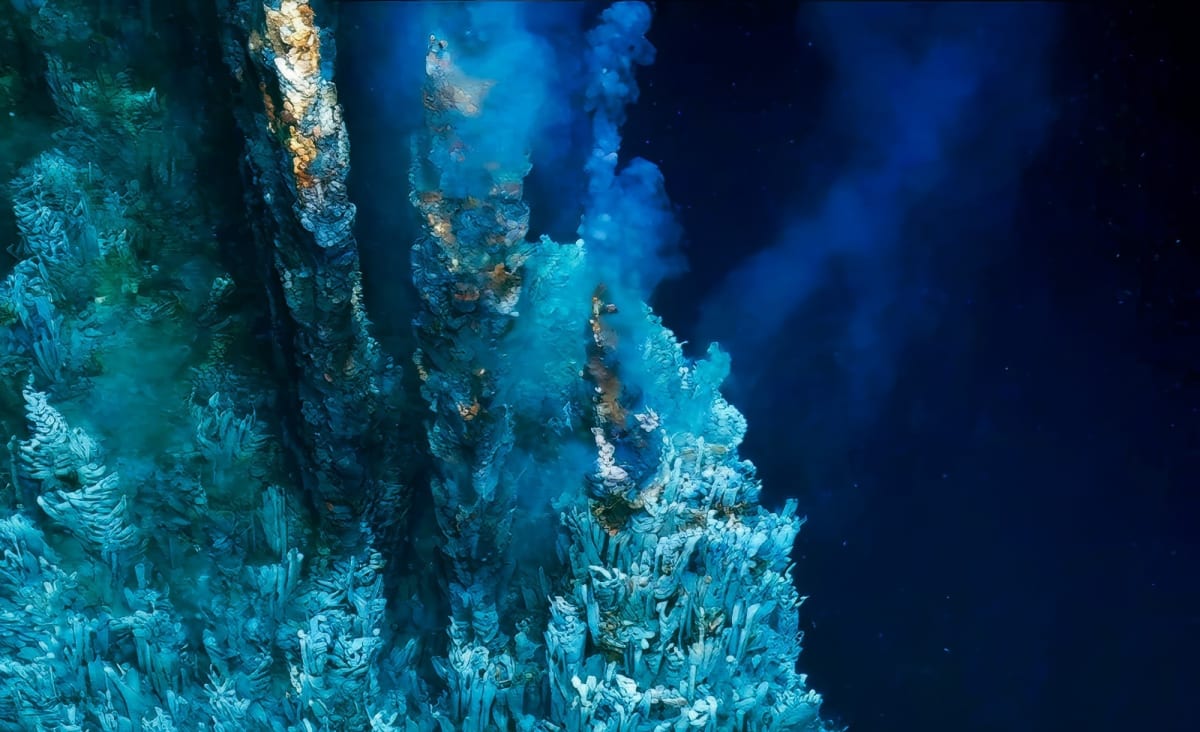
Scientists discovered thousands of promising new antibiotics by studying microbes from deep-sea vents, frozen polar regions, and other extreme environments where life shouldn't exist. Using AI to screen 78,000 newly mapped genomes, they found peptides that killed drug-resistant bacteria in lab tests.
In a breakthrough that could transform medicine's battle against superbugs, researchers have unlocked a treasure trove of potential antibiotics hiding in Earth's most extreme places.
The team built the Extreme Environment Microbiome Catalog (EEMC) by analyzing microbes from deep-sea vents, polar ice, salt flats, hot springs, and other harsh habitats around the world. They reconstructed over 78,000 bacterial and archaeal genomes, revealing more than 20,000 species never seen before.
What makes this discovery remarkable is the sheer scale of untapped potential. Over 86% of the species they found don't exist in current scientific databases, and nearly four billion unique genes came to light.
The researchers identified more than 163,000 biosynthetic gene clusters, which are genetic blueprints for creating useful compounds. Deep-sea and frozen environments contributed the most novel discoveries, suggesting that life's harshest conditions may hold our greatest medical solutions.
To find actual antibiotic candidates, the team turned to artificial intelligence. They used protein language models to predict which peptides would fight bacteria without harming human cells, identifying 3,032 promising candidates.
When they synthesized 100 of these peptides for testing, the results exceeded expectations. An impressive 84% showed antibacterial activity, with many proving effective against Gram-negative pathogens, the notoriously difficult bacteria that resist most current antibiotics.
The timing couldn't be more critical. Antimicrobial resistance threatens to undermine modern medicine, and the pipeline for new antibiotics has slowed to a trickle in recent decades. Traditional approaches to drug discovery have largely exhausted easily accessible sources.
Why This Inspires
This research demonstrates how combining nature's resilience with cutting-edge technology creates possibilities we couldn't access before. Microbes surviving in boiling acid or freezing darkness have evolved unique chemical defenses over millions of years.
By mapping this microbial diversity on a global scale and using AI to rapidly screen candidates, scientists have created a renewable resource for antibiotic discovery. The EEMC platform is now publicly available, meaning researchers worldwide can tap into this catalog to find solutions for different diseases.
The success rate in lab testing suggests many of these candidates will advance to further development, potentially reaching patients within years rather than decades. Each peptide represents millions of years of evolutionary problem-solving, now available to help humanity face one of its biggest health challenges.
As drug-resistant infections continue rising, knowing that 3,000 new antibiotic candidates exist offers genuine hope that medicine can stay ahead of evolving bacteria.
More Images

Based on reporting by Google News - Researchers Find
This story was written by BrightWire based on verified news reports.
Spread the positivity!
Share this good news with someone who needs it