AI Gives Endangered Manx Language a Digital Voice
A Ph.D. student from the Isle of Man has built the first AI text-to-speech system for Manx, a heritage language spoken by just 2,200 people. The breakthrough could help preserve endangered languages worldwide while making them accessible to new learners.
When your native language is slipping away, every new voice counts, even if it's digital.
Chris Bartley, a computer science Ph.D. student at the University of Sheffield, just gave the Manx language something it's never had before: an AI that can speak it. With only 2,200 people still speaking Manx today, the heritage language of the Isle of Man faced a common problem for endangered languages. Modern technology simply passed it by.
Most speech AI systems need massive amounts of data to work. Languages like English have millions of hours of recorded speech to train on. Manx had almost none.
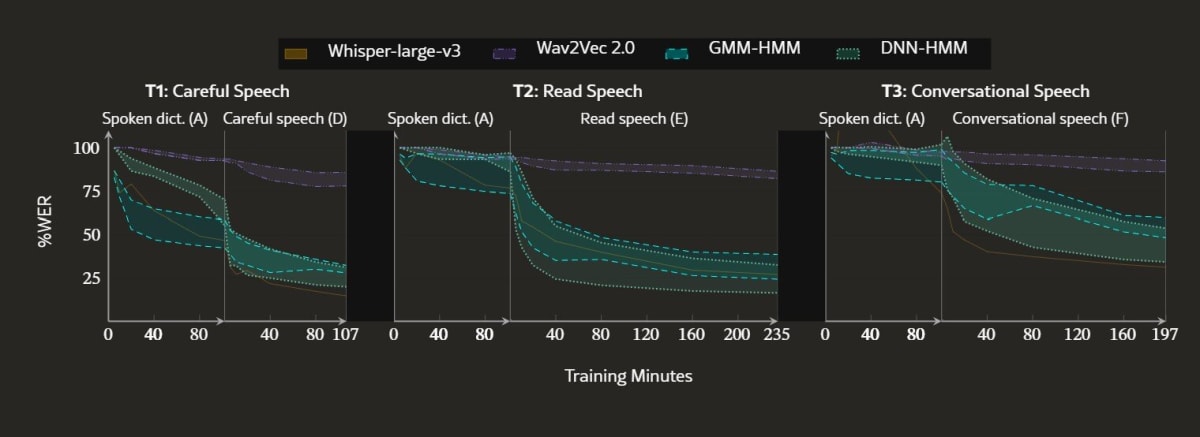
Bartley spent months solving this puzzle. He collected 350 hours of speech and 8 million Manx words from YouTube videos, Manx Radio broadcasts, and language learning sites. Then he built AI systems designed to work with far less data than usual.
The result is the first automatic speech recognition system for Manx. The AI can now understand spoken Manx and speak it back through text-to-speech technology.
For Bartley, who grew up on the Isle of Man and studied French, Spanish, and Mandarin at university, this project bridges passion and purpose. He recently published his research in a paper titled "How I Built ASR for Endangered Languages with a Spoken Dictionary."
Why This Inspires
This breakthrough shows AI doing what it does best: amplifying human effort rather than replacing it. The 2,200 Manx speakers working to keep their language alive now have powerful new tools to lighten the load.
Screen readers can now help visually impaired people access Manx content. Language learners get instant pronunciation feedback. Teachers can create interactive lessons without recording every single word themselves.
Bartley plans to release the tools publicly soon, potentially including translation features. His approach could work for other endangered languages facing the same data shortage problems.
The timing matters. Languages are disappearing faster than ever, with experts estimating one dies every two weeks. Each lost language takes unique cultural knowledge with it.
Now other researchers working on endangered languages have a blueprint, showing that limited resources don't have to mean limited progress.
Technology often gets blamed for erasing cultural differences and steamrolling minority languages. Here's proof it can do the opposite: preserving voices that might otherwise fade into silence.
More Images


Based on reporting by Phys.org - Technology
This story was written by BrightWire based on verified news reports.
Spread the positivity!
Share this good news with someone who needs it