Ocean Cleanup Uses AI to Hunt Plastic in the Pacific
The Ocean Cleanup is launching a game-changing strategy this summer that uses AI and drones to find plastic hotspots in real time. It's like a weather forecast, but for tracking ocean trash.
The Great Pacific Garbage Patch is about to meet its match, and the solution involves artificial intelligence, drones, and a smarter way to chase down floating plastic.
The Ocean Cleanup announced it will test a new "smart steering strategy" during a six-week expedition this summer in the Pacific. Instead of randomly sweeping the ocean, their cleanup systems will use AI models and drone detection to create real-time maps of where plastic concentrates most heavily, then steer directly toward those hotspots.
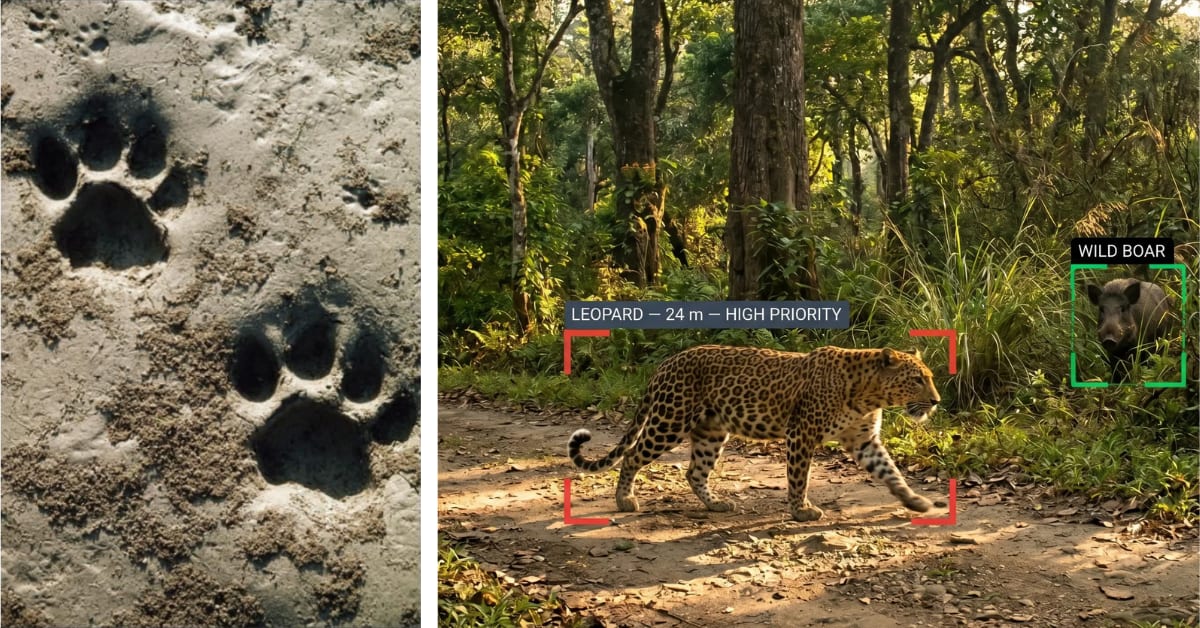
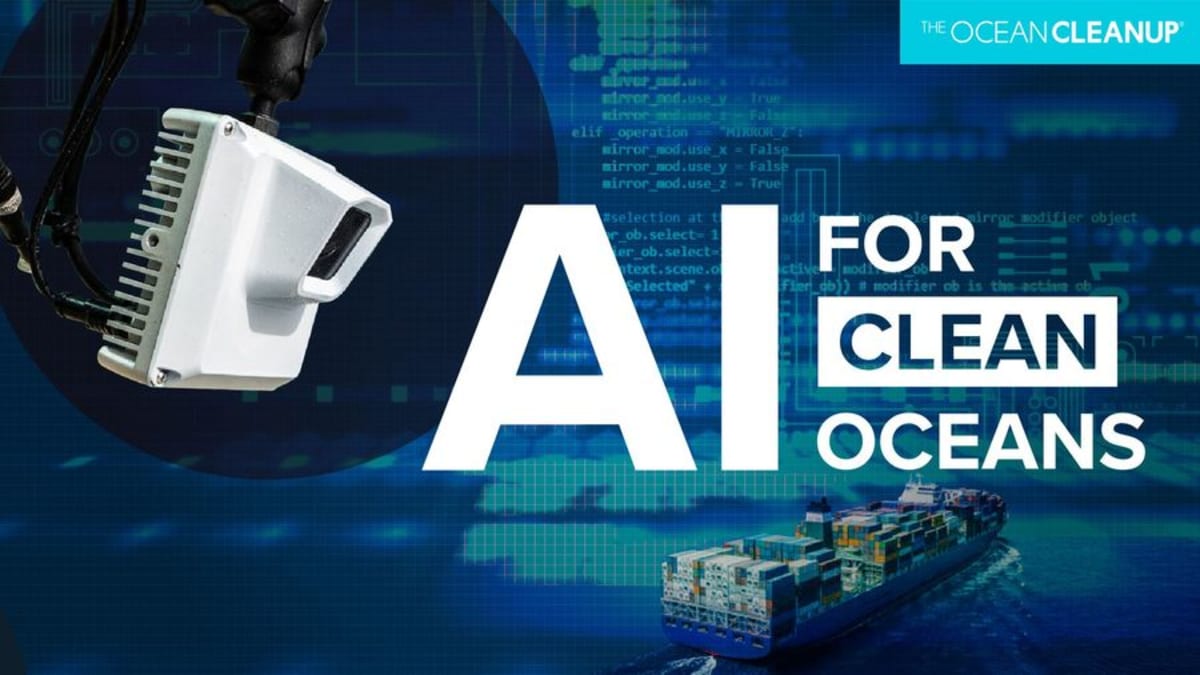
The technology works like a forecast system for ocean trash. The organization has spent years collecting data through their Automated Debris Imaging Systems, which AI algorithms now use to predict where plastic accumulates. Once their cleanup vessels reach the general area, drones launch from the ship to pinpoint the exact location of the densest trash zones.
This precision matters because the Great Pacific Garbage Patch isn't one solid mass. It's patchy, with concentrations shifting like weather patterns. The new approach means cleanup crews can spend maximum time harvesting plastic from the richest areas instead of dragging nets through emptier waters.
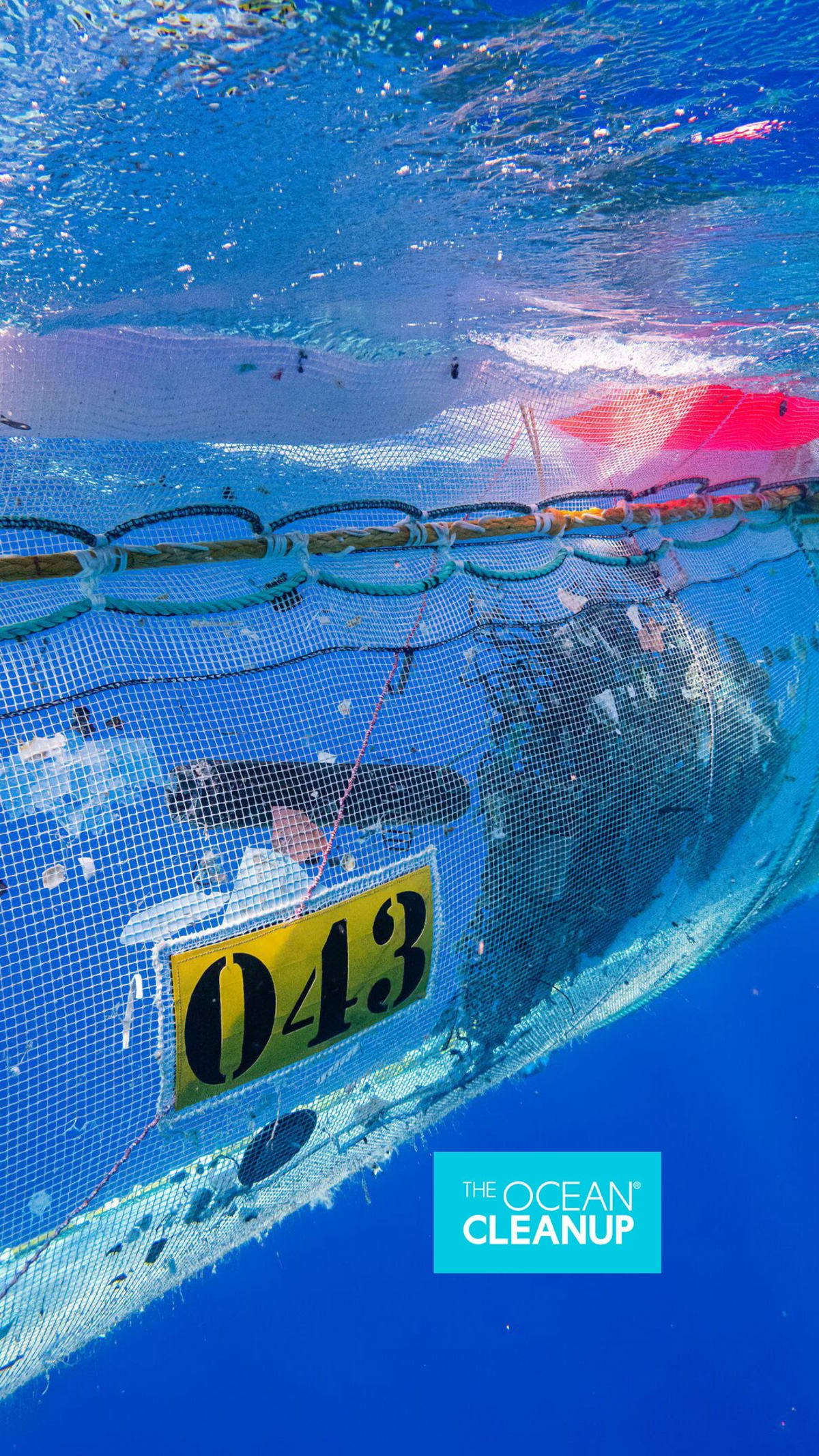
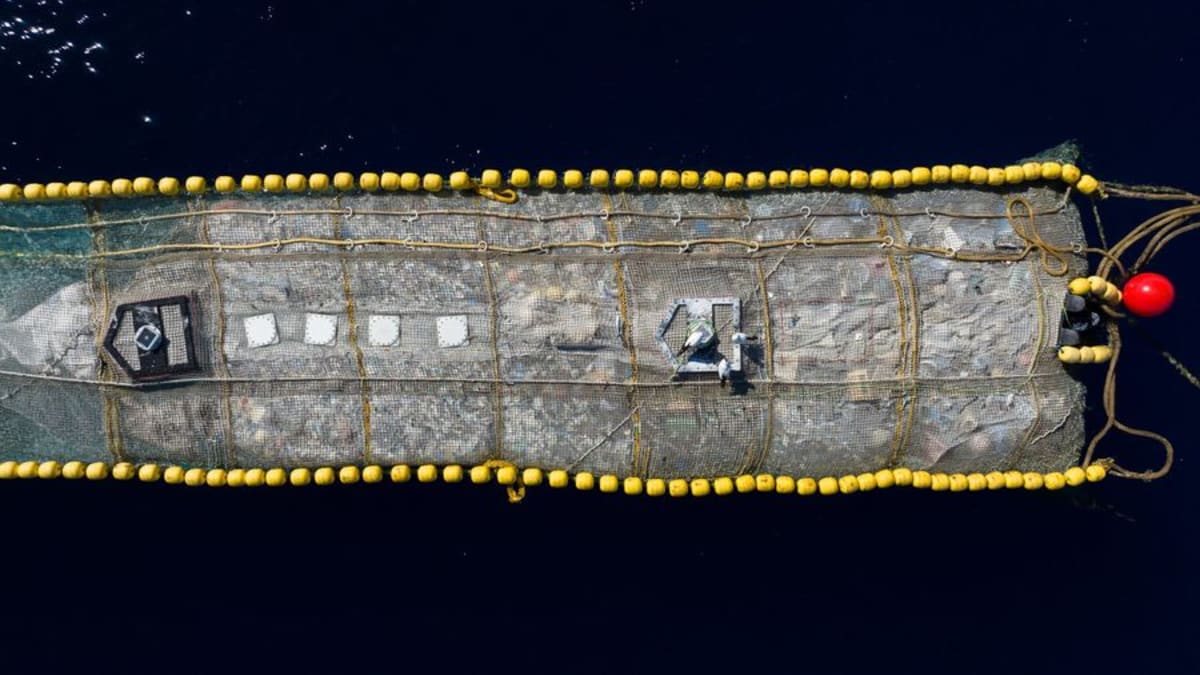
The Ocean Cleanup has already proven their cleanup systems work. System 03 successfully removes trash from the patch today. But the team recognized they could do better, faster, and more efficiently with smarter navigation.
The Ripple Effect
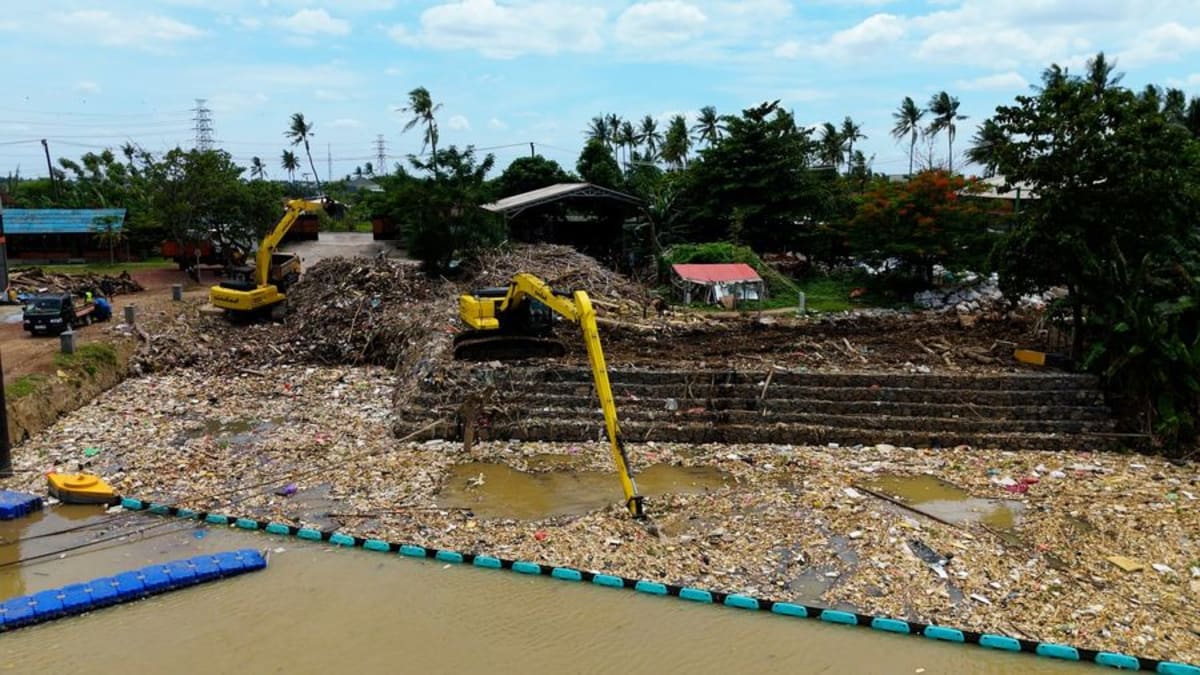
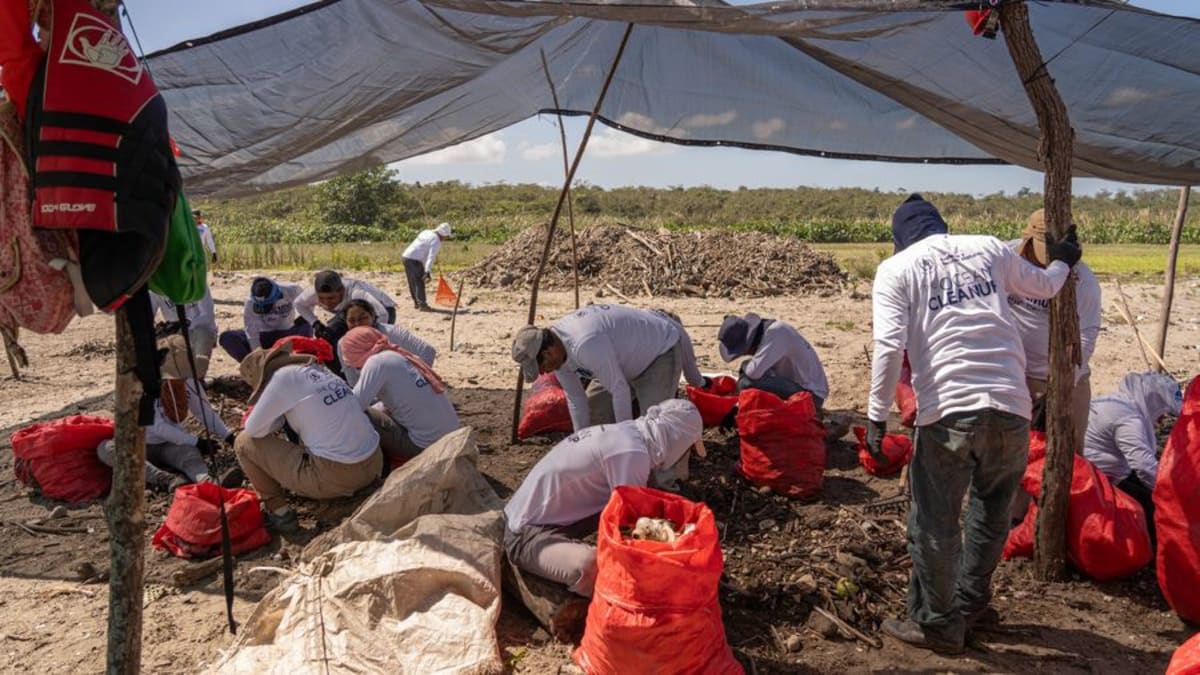
This advancement comes as the organization tackles ocean plastic from two directions. Their 30 Cities Program deploys "Interceptors" in rivers to stop plastic before it reaches the ocean, aiming to prevent one-third of emissions from identified cities by 2030. Meanwhile, coastal cleanups with local volunteers remove legacy trash already sitting on shorelines.
The AI strategy addresses the toughest challenge: the plastic already swirling in open ocean. By maximizing efficiency, the organization can better calculate optimal fleet size and resource allocation. Every improvement in their approach brings their ambitious 2040 deadline closer: ridding the world's oceans of plastic entirely.
The summer trial will provide critical data about how "patchy" the patch really is. Those insights will shape the final cleanup system design and determine how many vessels they'll need to finish the job.
What started as an idea to clean the ocean is now becoming a sophisticated operation where technology and environmental action work together for lasting impact.
More Images
Based on reporting by Google News - Ocean Cleanup
This story was written by BrightWire based on verified news reports.
Spread the positivity!
Share this good news with someone who needs it