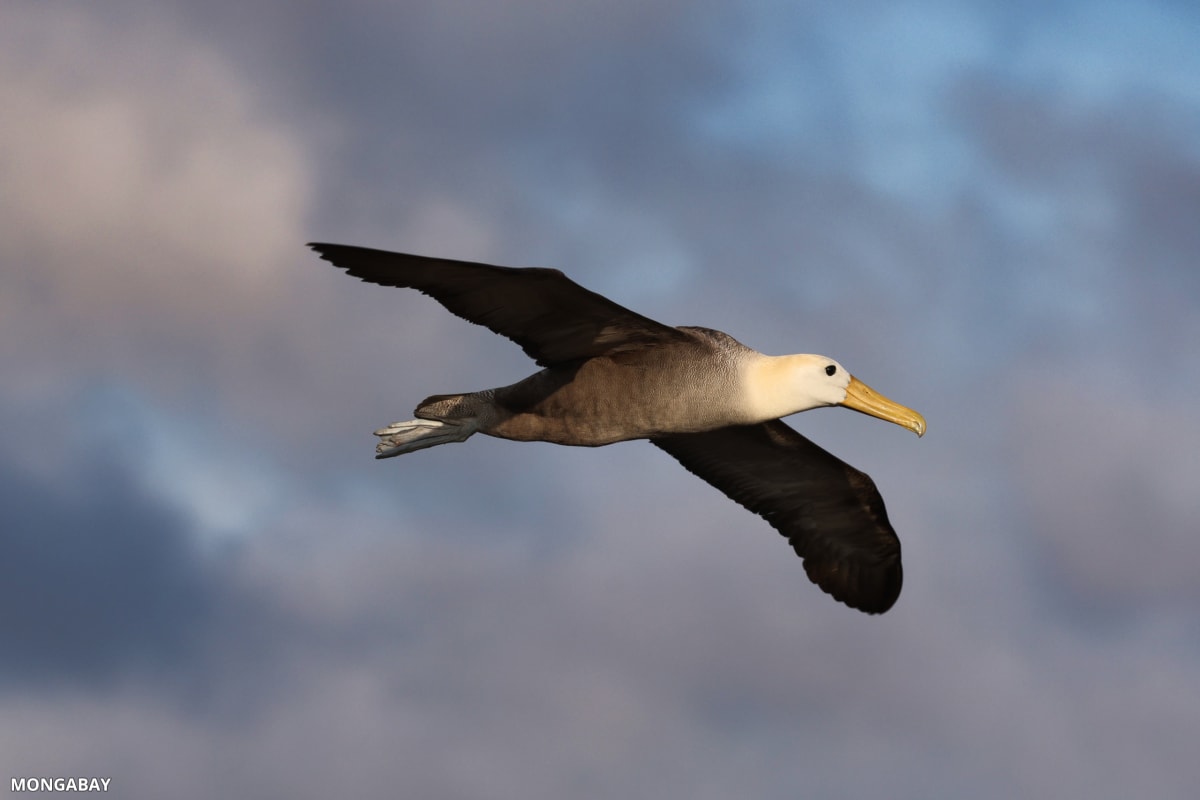
Scientists Map Ocean Highways to Save Declining Seabirds
A new study reveals six "marine flyways" connecting seabird migration routes across 54 countries, offering a breakthrough framework to reverse the decline of nearly half of all migratory seabird species.
Scientists have created the first global map of ocean highways that could save some of the world's most threatened travelers.
Nearly half of migratory seabird species are declining, largely because these birds don't respect borders but conservation efforts do. Seabirds breed on remote islands, feed in distant waters, and cross dozens of countries during their journeys, yet protection has been fragmented and inconsistent.
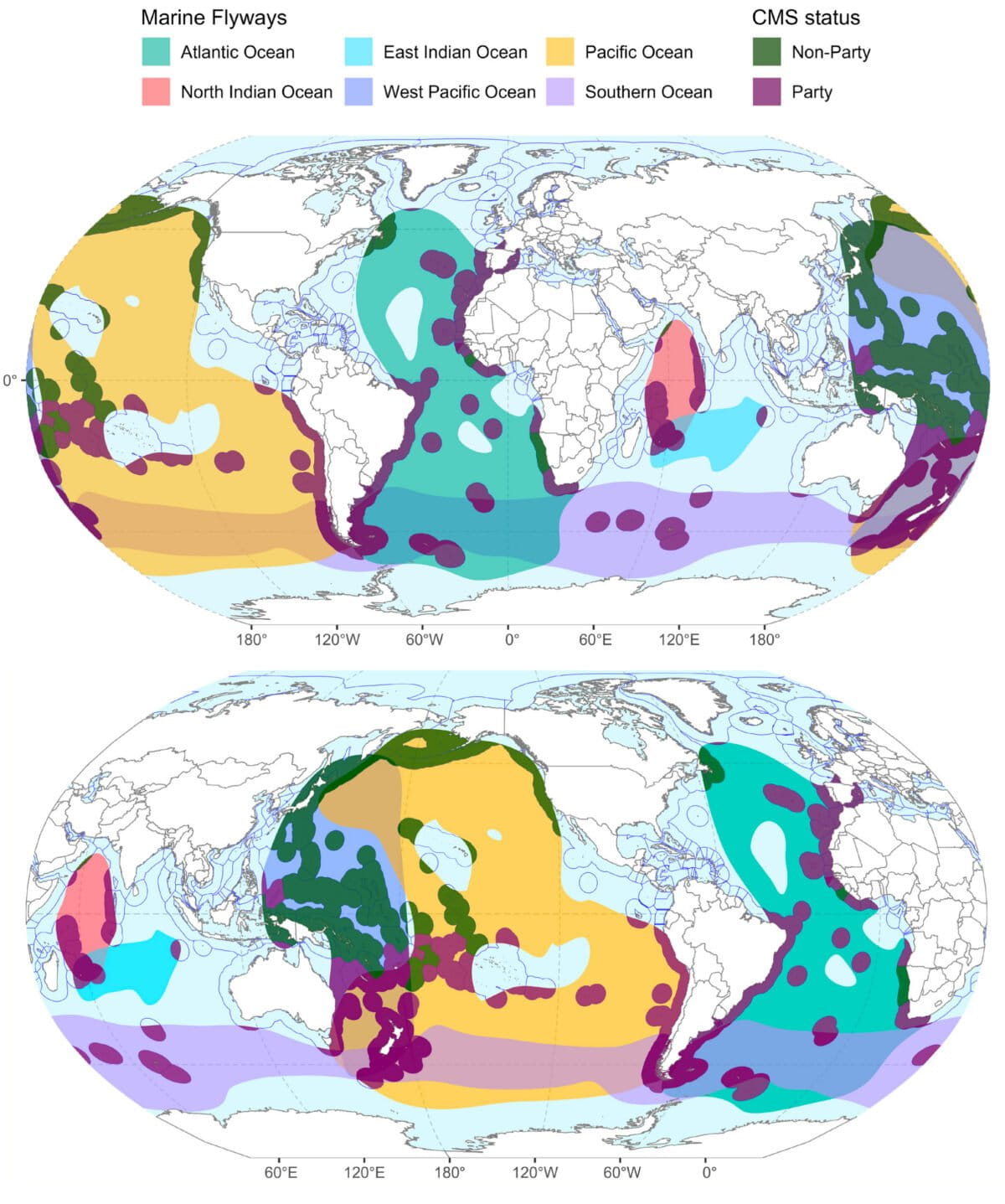
A new study published in the Journal of Applied Ecology changes that. Researchers from BirdLife International, the Royal Society for the Protection of Birds, and partner universities used advanced tracking technology to map six marine flyways spanning the Atlantic, Pacific, Indian, and Southern Ocean basins.
These routes cover 151 seabird species, representing 40% of all seabirds worldwide. The framework shows exactly where these birds travel and which countries share responsibility for protecting them.
The findings reveal surprising connections. France touches all six flyways through its overseas territories, while 54 countries total overlap with these ocean highways. Many are already parties to international agreements on migratory species, making coordination more feasible than ever before.
The Ripple Effect
The flyway concept has already transformed conservation on land, helping governments coordinate protection for waterbirds across continents. Applying the same approach to oceans creates a roadmap for addressing the biggest threats seabirds face: invasive species on breeding islands, bycatch in fisheries, and climate change.
The tools to tackle these problems already exist. Removing invasive mammals from islands has become standard conservation practice, and measures to reduce bycatch in longline fishing work well when applied consistently. The challenge has been implementing these solutions across a bird's entire range.
Marine flyways solve that puzzle by encouraging countries to work together across the full journey. The study identifies over 1,300 Key Biodiversity Areas important to these species, providing ready-made targets for protection.
The timing aligns perfectly with global conservation goals emphasizing connected networks rather than isolated protected areas. The Convention on Migratory Species is considering formal recognition of marine flyways, which could unlock coordinated funding, data sharing, and joint planning similar to successful land-based agreements.
For seabirds that have traveled the same ocean routes for millennia, help may finally be arriving on a scale that matches their journeys.
More Images


Based on reporting by Mongabay
This story was written by BrightWire based on verified news reports.
Spread the positivity!
Share this good news with someone who needs it