Lawsuit Pushes US to Protect 650,000 Marine Mammals Yearly
Environmental groups just sued the federal government to finally enforce a 52-year-old law protecting whales and dolphins from deadly fishing gear worldwide. The move could save hundreds of thousands of marine mammals killed each year in fishing nets meant for seafood sold to Americans.
A powerful law protecting ocean life has sat unused for over five decades, but that's about to change.
Environmental groups filed a lawsuit Thursday demanding the U.S. government enforce the 1972 Marine Mammal Protection Act. The law requires countries that export seafood to America to protect whales, dolphins, and porpoises the same way U.S. fishers do. Until now, federal agencies have largely ignored it.
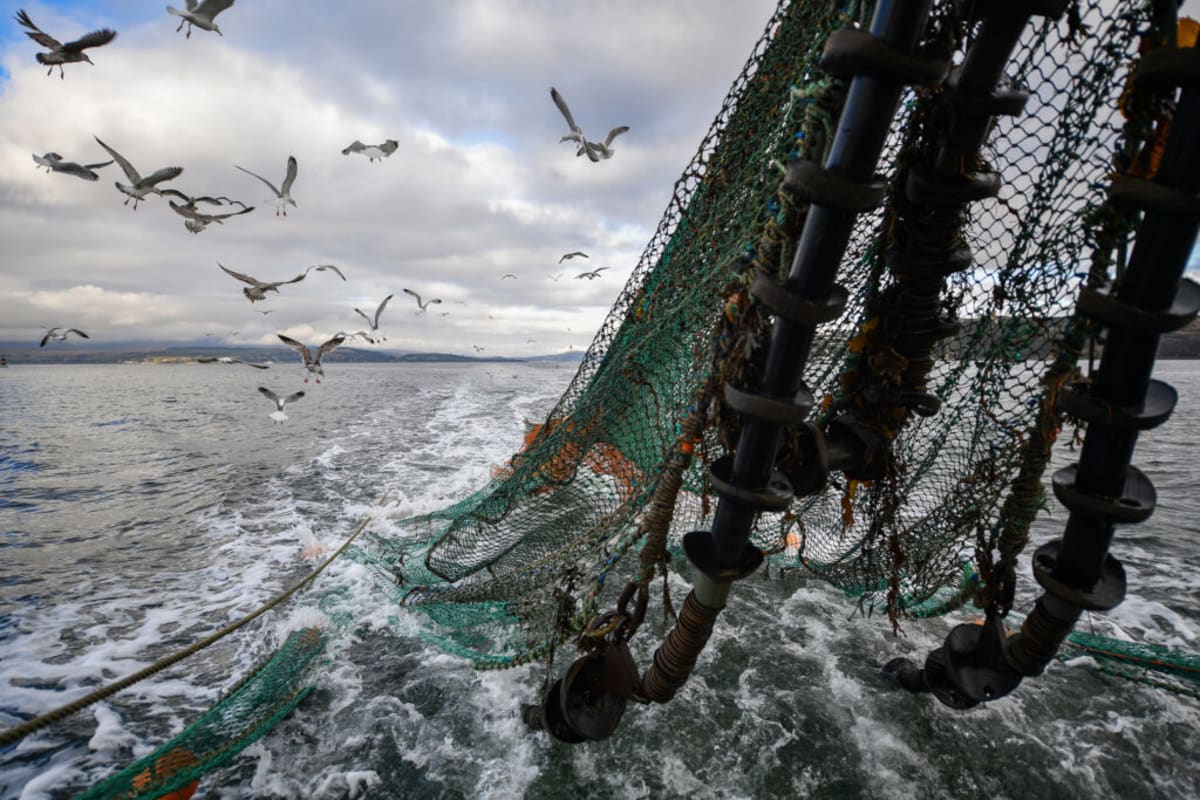
The numbers tell a sobering story. Around 650,000 marine mammals die each year as accidental bycatch, trapped in gillnets, longlines, and trawlers while fishers target other species. These deaths aren't intentional, but they're preventable.
"Congress realized it's not just U.S. marine mammals that are threatened by fishing," said Sarah Uhlemann, a staff attorney with the Center for Biological Diversity. The law was designed to level the playing field globally, requiring the same protections everywhere.
The lawsuit targets seafood imports from eight countries including Argentina, Ecuador, India, Norway, and the United Kingdom. These nations either don't count marine mammals in their waters, haven't set catch limits, or don't monitor bycatch properly.
America imports 80 percent of its seafood from 140 countries, making it the world's largest seafood buyer. That gives the U.S. enormous leverage to demand better practices worldwide.
The Ripple Effect
This case could transform ocean conservation globally. When the world's biggest seafood buyer demands change, fishing industries worldwide must respond or lose access to American markets.
U.S. fishers already invest heavily in marine mammal protection, putting them at a competitive disadvantage. "They're at a competitive disadvantage against countries that aren't being held accountable," said Zak Smith with the Natural Resources Defense Council. Enforcing the law protects both animals and American fishing communities.
The National Marine Fisheries Service recently started banning imports from some countries, showing enforcement is possible. The lawsuit aims to accelerate that progress across all nations failing to meet standards.
Similar pressure recently led to a formal petition potentially sanctioning China for shark conservation failures. Chinese vessels catch thousands of sharks annually, remove their fins, and discard the dying animals back into the ocean. Shark populations have plummeted 70 percent since 1970.
Better monitoring, seasonal fishing closures, and modern gear could dramatically reduce marine mammal deaths while still feeding people. The technology and knowledge exist; what's been missing is the will to enforce protections already written into law.
After 52 years of waiting, ocean advocates are hopeful the courts will finally make protection a reality for hundreds of thousands of whales and dolphins.
Based on reporting by Inside Climate News
This story was written by BrightWire based on verified news reports.
Spread the positivity!
Share this good news with someone who needs it