Florida Bans Wild Sloth Imports After Deaths Spark Reform
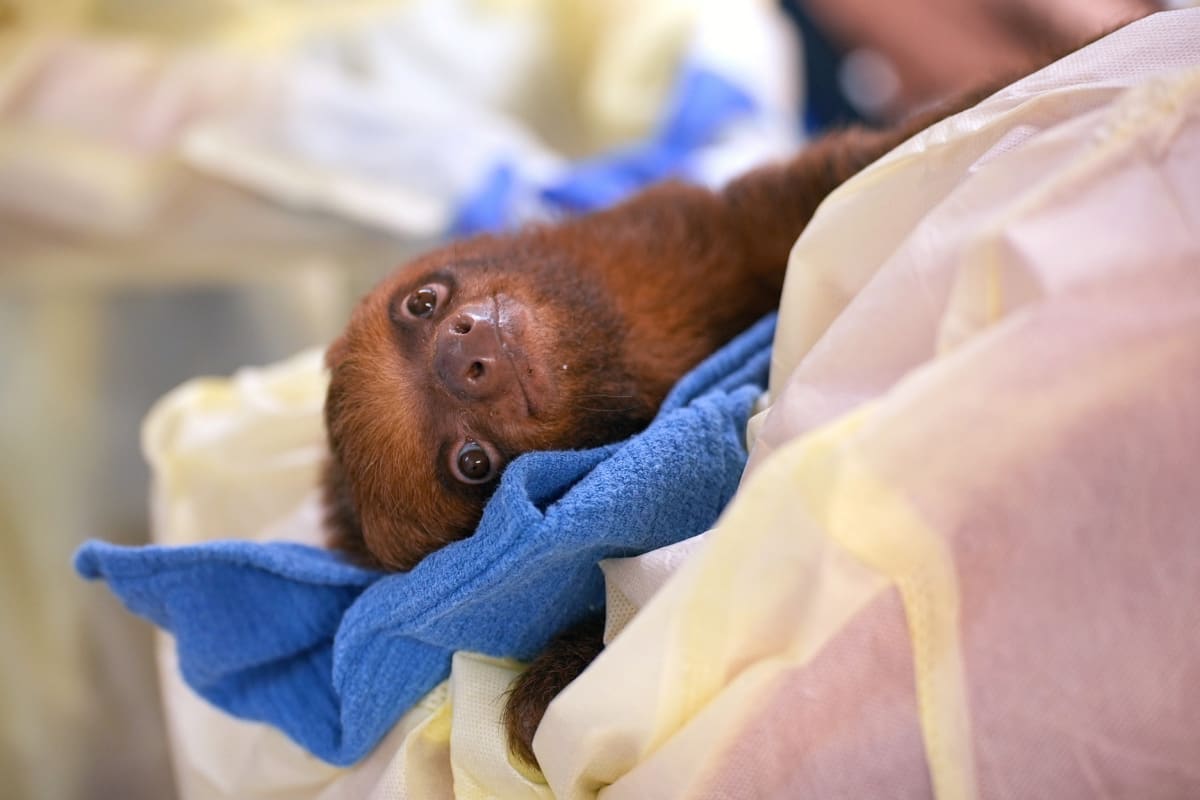
Florida just took a groundbreaking step to protect sloths by halting wild imports after a tragedy revealed critical gaps in exotic animal care. The move could transform how America treats these vulnerable rainforest animals nationwide.
After 31 sloths died at an Orlando facility, Florida became the first state to ban wild sloth imports, and experts say it could change everything for these fragile animals across America.
The Florida Fish and Wildlife Conservation Commission ordered a two-month pause on sloth imports this week following an investigation that revealed dozens of wild-born sloths died from stress and illness at Sloth World, a now-shuttered Orlando business. The company had planned to charge customers $49 to view the animals up close.
The ban's impact reaches far beyond Florida's borders. More than 98 percent of all U.S. sloth imports from 2011 to 2021 came through Miami's port, making this temporary halt a nationwide game-changer for sloth protection.
State authorities have launched a criminal investigation into Sloth World, and the facility has permanently closed its doors. Executive Director Roger A. Young called the deaths "a very sad situation" and announced the agency would review its permitting rules to prevent future tragedies.
The Ripple Effect
Conservation groups are calling this decision historic. Sam Trull, executive director of The Sloth Institute, emphasized the global significance at a Wednesday press conference: "This is not only a huge step for Florida, it's a huge step for all of the United States. It's a huge step for sloths all over the world."
State Rep. Anna Eskamani, who pushed for the criminal investigation, believes Florida's action will inspire broader change. The temporary ban gives lawmakers time to craft stronger, more thoughtful regulations that prioritize animal welfare over profit.
Rebecca Cliffe, founder of the Sloth Conservation Foundation, pointed out a crucial lesson from this tragedy: "There is a massive lack of sloth expertise in Florida and in the United States." Sloths are uniquely vulnerable in captivity because they're adapted to solitary life in rainforest canopies and don't show obvious distress signals like other mammals.
Floridians can still obtain sloths already living in U.S. captive facilities, ensuring legitimate sanctuaries and accredited zoos aren't disrupted. The ban specifically targets pulling wild animals from their natural habitats, where they face immense stress during capture and transport.
The pause expires July 10, but conservationists hope it marks the beginning of permanent protections for these slow-moving tropical mammals who deserve specialized care and genuine expertise.
Based on reporting by Inside Climate News
This story was written by BrightWire based on verified news reports.
Spread the positivity!
Share this good news with someone who needs it