Ghana President Pushes Law to Criminalize 'Sex for Jobs
President John Mahama is calling for a dedicated law to make demanding sex in exchange for employment a criminal offense in Ghana. The move tackles a widespread but rarely prosecuted form of workplace exploitation that particularly affects young women.
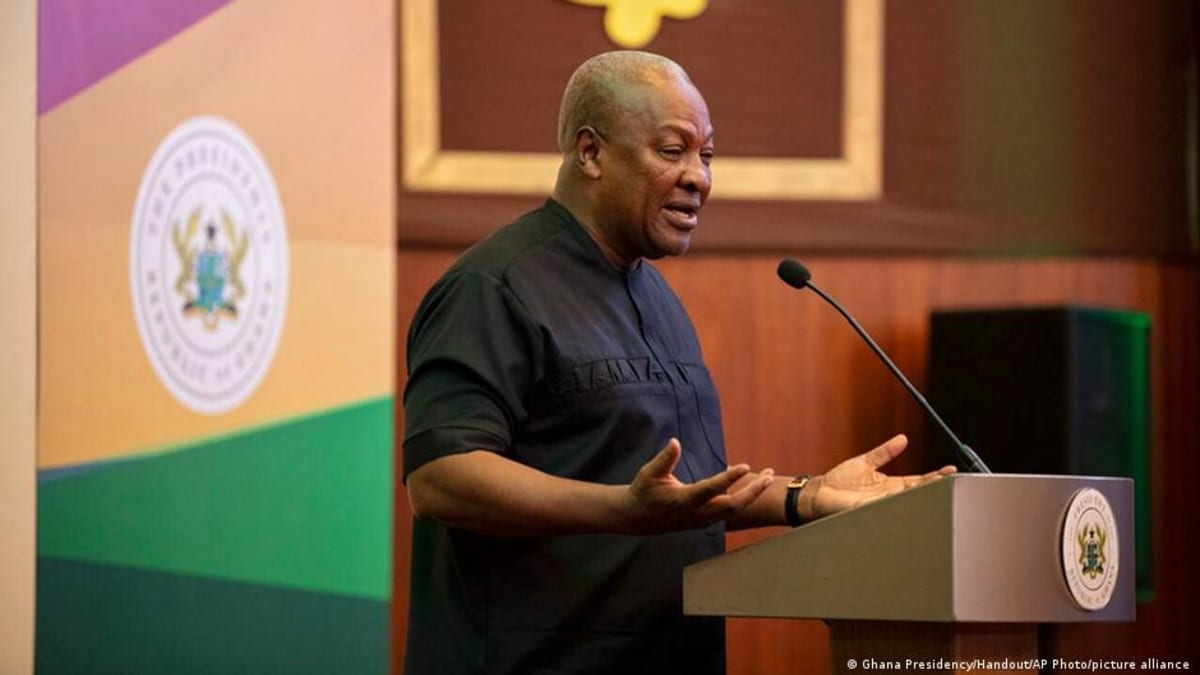
When a female student stood up at a town hall in Koforidua on May 1 and challenged Ghana's persistent gender inequality in hiring, President John Mahama didn't offer vague promises. He proposed something concrete: a new law making it a crime for employers to demand romantic or sexual relationships before offering jobs.
"It is unacceptable. It must stop," Mahama told the crowd, framing the practice as both exploitative and intolerable in a civilized society.
Ghana already has laws against sexual harassment in the workplace and domestic violence, but activists say these miss a critical gap. The laws mostly cover harassment after someone is hired, not the specific scenario of conditioning employment on sexual compliance. That grey area has left countless job seekers, especially young women, vulnerable to abuse by powerful gatekeepers.
The proposal comes at a crucial time. Youth unemployment runs high across Ghana, formal sector jobs are scarce, and recruitment processes often lack transparency. In that environment, the power imbalance between desperate job seekers and hiring managers creates ripe conditions for exploitation.
Victoria Bright, a lawyer and former presidential advisor, called Mahama's stance a welcome shift. "When a person in authority conditions employment on sex, I think it's a form of corruption," she told local media. The practice thrives partly because victims fear stigma or retaliation, while institutions rarely have clear ways to report abuse.
The Ripple Effect
A dedicated law would do more than just name the problem. Legal experts say it would provide precise definitions, attach explicit criminal penalties, and give institutions a framework for creating internal safeguards. When misconduct gets clearly defined and penalized, organizations are more likely to take preventive action, and victims gain stronger ground to seek justice.
The proposal fits into Mahama's broader push for gender equality, including implementing affirmative action legislation and targeting equal representation in public appointments by 2028. International observers have long praised Ghana for progressive gender laws compared to regional neighbors, but activists note that symbolic progress doesn't automatically change entrenched power dynamics.
Some worry about enforcement. "In Ghana we have a lot of beautiful laws, but it is at the enforcement stage that the whole thing breaks down," Bright noted on Ghana's My Joy television.
Still, technology may help bridge that gap. Roland Affail Monney, former president of the Ghana Journalists Association, points out that electronic communication and recording devices now make gathering evidence simpler than ever before.
The path from presidential proposal to enforceable law remains long, but the conversation itself represents progress in bringing a hidden form of corruption into the light where it can finally be challenged.
Based on reporting by DW News
This story was written by BrightWire based on verified news reports.
Spread the positivity!
Share this good news with someone who needs it