AI Helps Crack Ancient Languages After 100 Years of Mystery
An amateur linguist used artificial intelligence to potentially decode Linear A, a 3,500-year-old language that has stumped experts for a century. The breakthrough shows how AI can supercharge human creativity in solving history's oldest puzzles.
A self-taught engineer may have just unlocked a language that hasn't been read in 3,500 years, and he did it by teaming up with artificial intelligence.
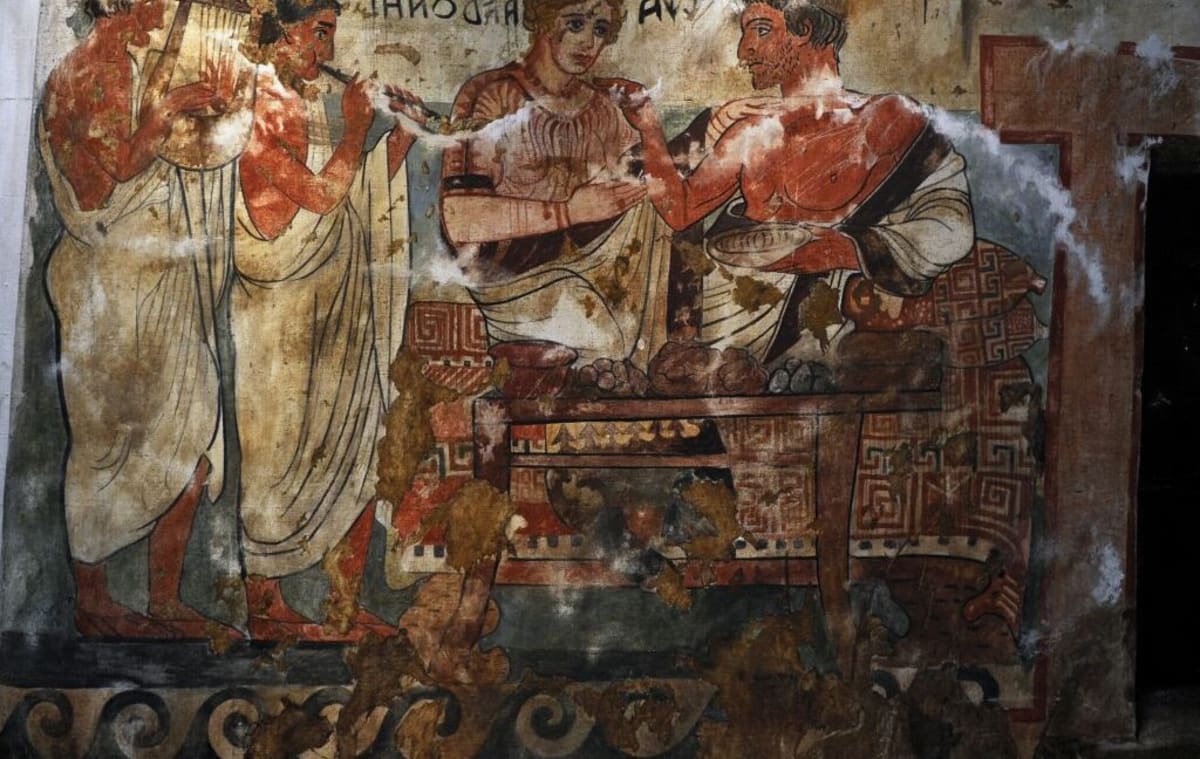
Linear A, the mysterious writing system of Bronze Age Crete's Minoan civilization, has frustrated linguists for over a century. Unlike the famous Rosetta Stone, Linear A has no translation key and no known relatives to help crack the code.
In June 2024, an amateur linguist made a bold guess. He theorized that one unknown word in a prayer inscription came from a Semitic root meaning "to dwell." Then he unleashed AI to test that hunch against thousands of characters in the entire surviving Linear A corpus.
The result? He assigned values to 40 signs and built a 408-word dictionary, suggesting Linear A might be a lost cousin of Hebrew and Aramaic. The work that would have taken humans months by hand took AI just minutes.
But here's the key insight: the AI didn't have the breakthrough idea. The human did. The AI was the tireless research assistant, cross-checking patterns at superhuman speed.
This partnership model is where the real story lives. AI excels at testing large-scale patterns and spotting repeated sequences a human eye would miss. It can restore damaged texts by predicting missing characters and check whether a single hunch holds up across an entire ancient archive.
Researchers have already used similar approaches successfully on Ugaritic, a Bronze Age language from Syria. The AI learns patterns from known related languages and applies them to the unknown one, like using Spanish knowledge to decode Portuguese.
Why This Inspires
The limitations matter as much as the victories. AI can't manufacture meaning from nothing. It still needs an anchor, either a related language or a bilingual text. Linear A and Etruscan remain hard precisely because those anchors are missing.
With only 7,500 surviving Linear A characters, small enough to fit on a single screen, almost any theory can find scattered matches. That's why expert review remains essential. "AI found a pattern" and "AI found the correct meaning" are wildly different claims.
What makes this genuinely exciting isn't that AI replaces experts. It's that AI democratizes the work. More people can now attempt these ancient puzzles than institutional resources ever allowed. Years of manual cross-referencing compress into minutes.
The breakthrough still needs verification from scholars. But the method itself represents a shift in how we can approach humanity's oldest unsolved mysteries. Ancient voices might finally speak again, not because machines are smarter, but because they make human curiosity faster and more powerful.
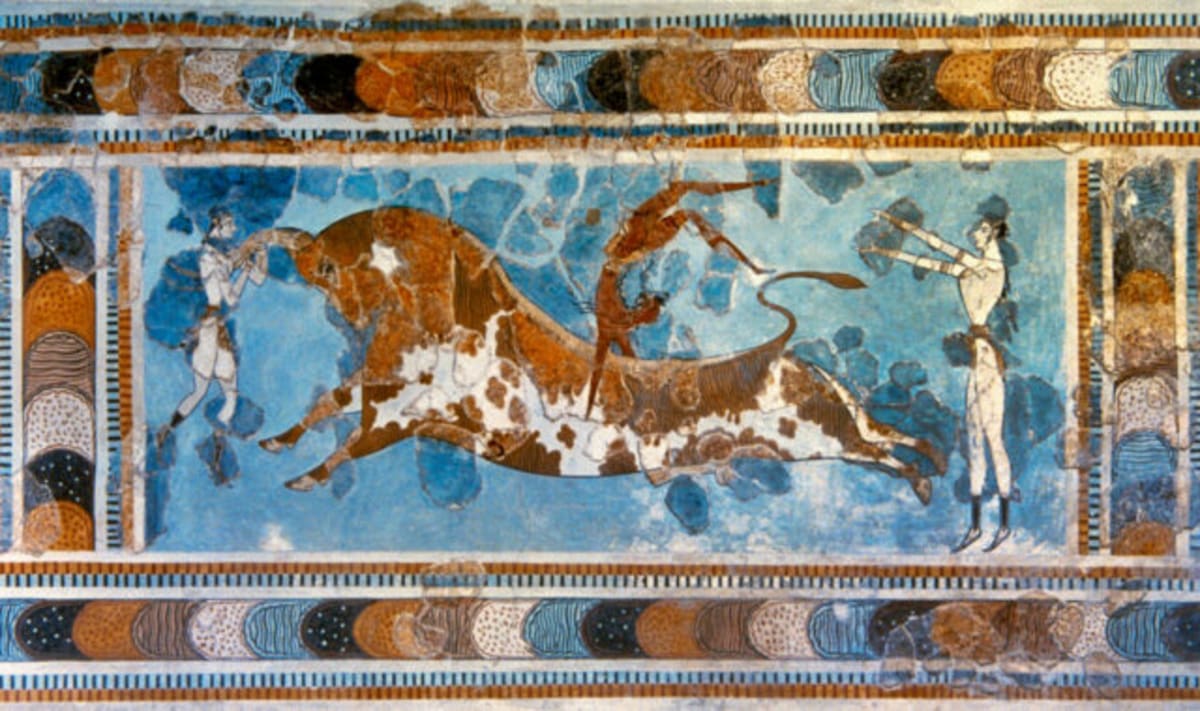
The Minoans built magnificent palaces and created sophisticated art. Now, thousands of years later, we might finally understand their words.
More Images


Based on reporting by Ars Technica Science
This story was written by BrightWire based on verified news reports.
Spread the positivity!
Share this good news with someone who needs it