North Dakota Researchers Lead AI Energy Security Project
University of North Dakota scientists are developing groundbreaking methods to protect the AI systems that keep electric vehicle batteries and power grids running safely. Their work could make critical energy infrastructure more secure against cyberattacks.
Scientists at the University of North Dakota just landed a spot in a historic federal mission to revolutionize how we power our future.
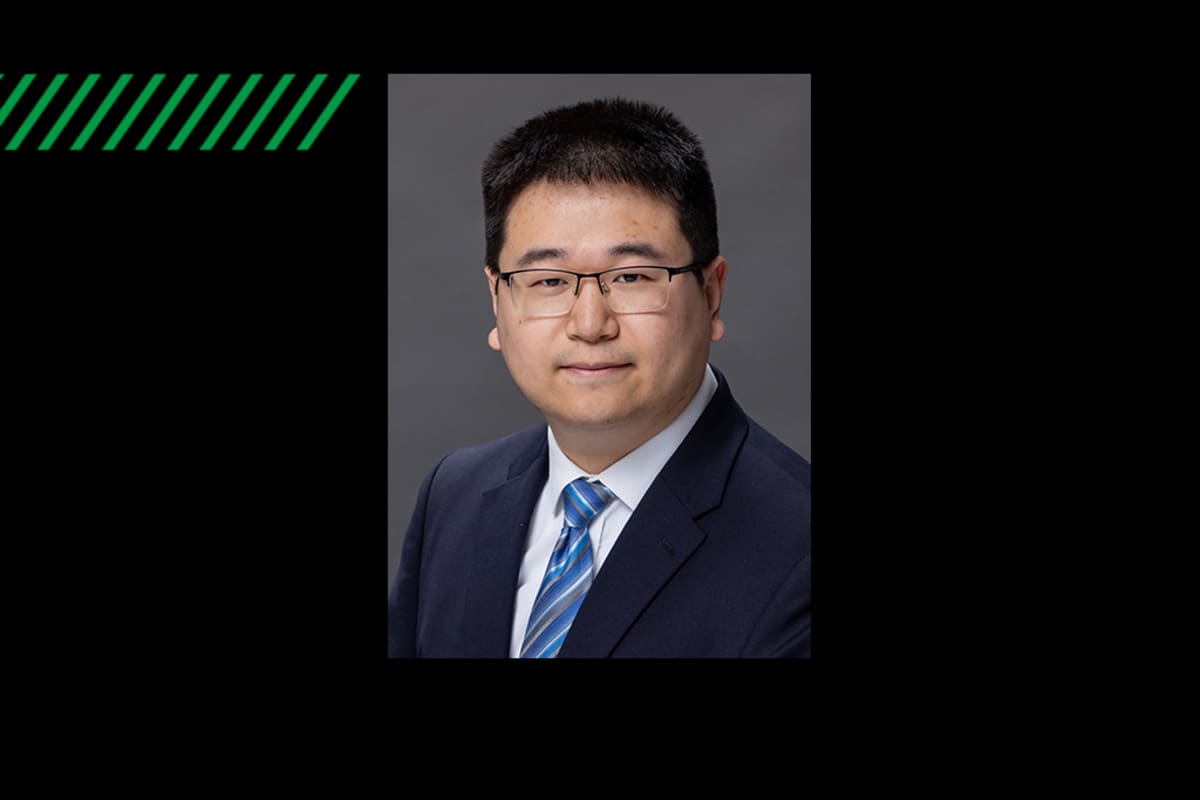
The U.S. Department of Energy selected UND as North Dakota's only representative in its inaugural Genesis Mission, a nationwide initiative combining artificial intelligence, supercomputing, and quantum systems to accelerate scientific breakthroughs. Assistant Professor Jielun Zhang will lead the project alongside colleague Jueming Hu to tackle a growing challenge: keeping AI systems that manage our batteries safe from manipulation.
As electric vehicles become more common and renewable energy expands, AI models have become essential for monitoring battery health and preventing failures. These systems estimate when batteries need maintenance, spot unsafe conditions, and keep everything from electric cars to hospital backup generators running smoothly.
But there's a problem. Those same AI systems can be vulnerable to cyberattacks or manipulated data that might cause them to miss critical warnings or make dangerous recommendations.
Zhang and his team will create new ways to test how resilient these AI models are against realistic attacks. They're developing techniques to detect compromised data and strengthen AI systems so they keep working reliably even when threatened.
"Artificial intelligence is becoming an essential tool for managing increasingly complex energy systems," Zhang said. "Our goal is to develop practical methods that help ensure these models remain secure, reliable and trustworthy so they can safely support critical energy infrastructure."
The project brings together researchers from La Sierra University, the University of Wisconsin-Madison, and Clean Republic SODO LLC. Together, they'll produce evaluation methods, software tools, and model-strengthening techniques that utilities, tech developers, and energy operators can actually use.
The Ripple Effect
This research could transform how we protect the energy systems that power modern life. Safer AI means more reliable electric vehicle batteries, better-protected power grids, and more secure backup systems for hospitals and emergency services.
The work positions UND as a leader in addressing challenges where cybersecurity, artificial intelligence, and critical infrastructure intersect. Vice President for Research Scott Snyder noted that the selection reflects the university's commitment to discoveries that serve both North Dakota and the nation.
The Genesis Mission represents a new model of collaboration, uniting government agencies, private industry, universities, and philanthropic organizations to solve pressing problems. Phase I teams like UND's will demonstrate how AI can accelerate scientific discovery and build foundations for future breakthroughs.
As our world grows more dependent on smart technology to manage everything from transportation to electricity, ensuring those systems can withstand attacks becomes increasingly vital. This North Dakota team is helping build that safer future.
Based on reporting by Google: scientific discovery
This story was written by BrightWire based on verified news reports.
Spread the positivity!
Share this good news with someone who needs it