AI Helps Disaster Relief Reach Survivors in 3 Weeks
After earthquakes hit Venezuela, aid groups used AI to identify damage and deliver cash directly to survivors' phones in just three weeks. Humanitarian organizations are pairing artificial intelligence with human expertise to speed up help when it matters most.
When earthquakes devastated Venezuela in June, families who lost everything received cash assistance in three weeks instead of months. The secret was artificial intelligence working alongside human compassion.
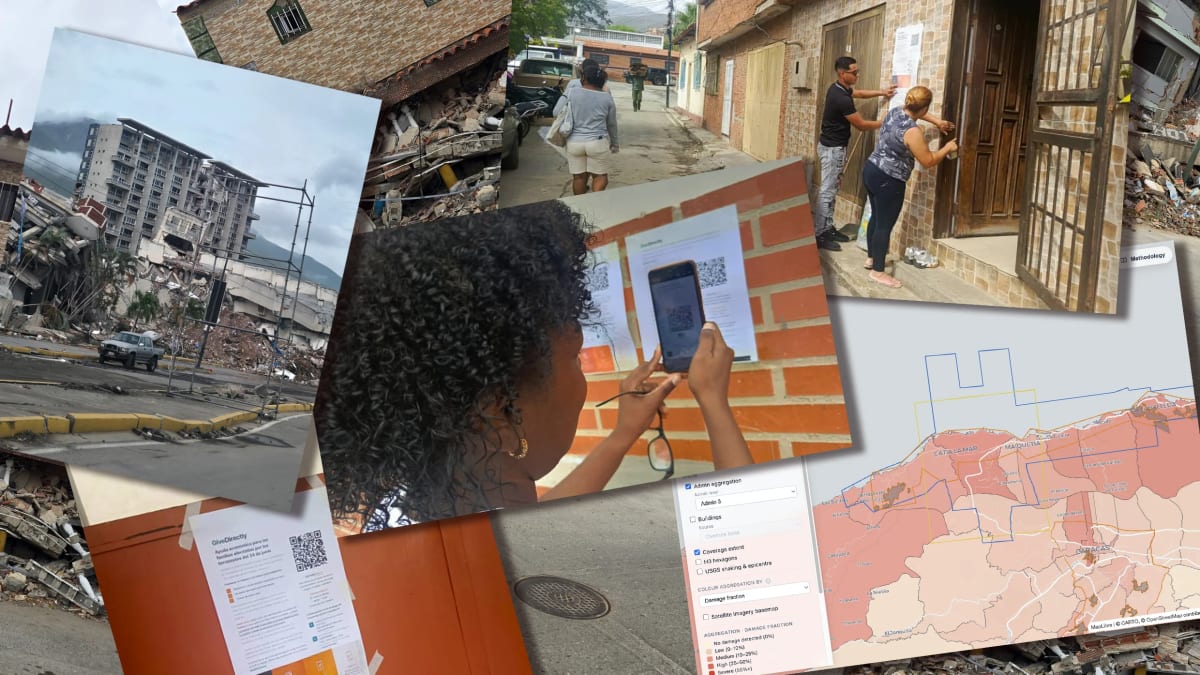
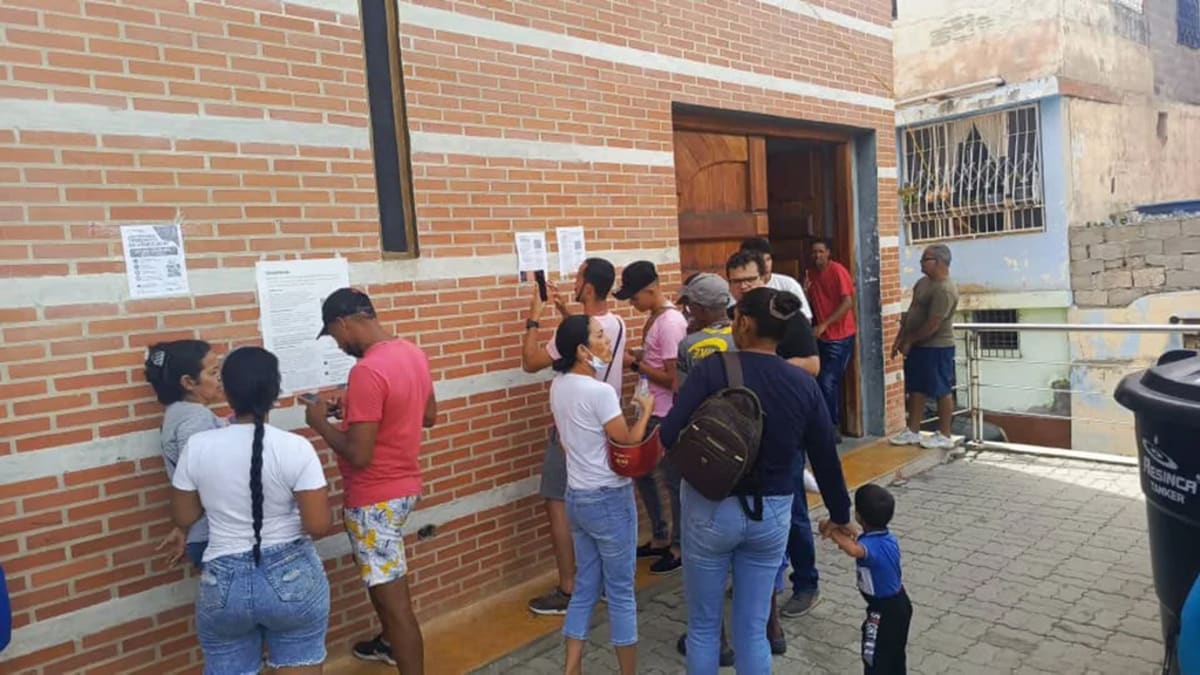
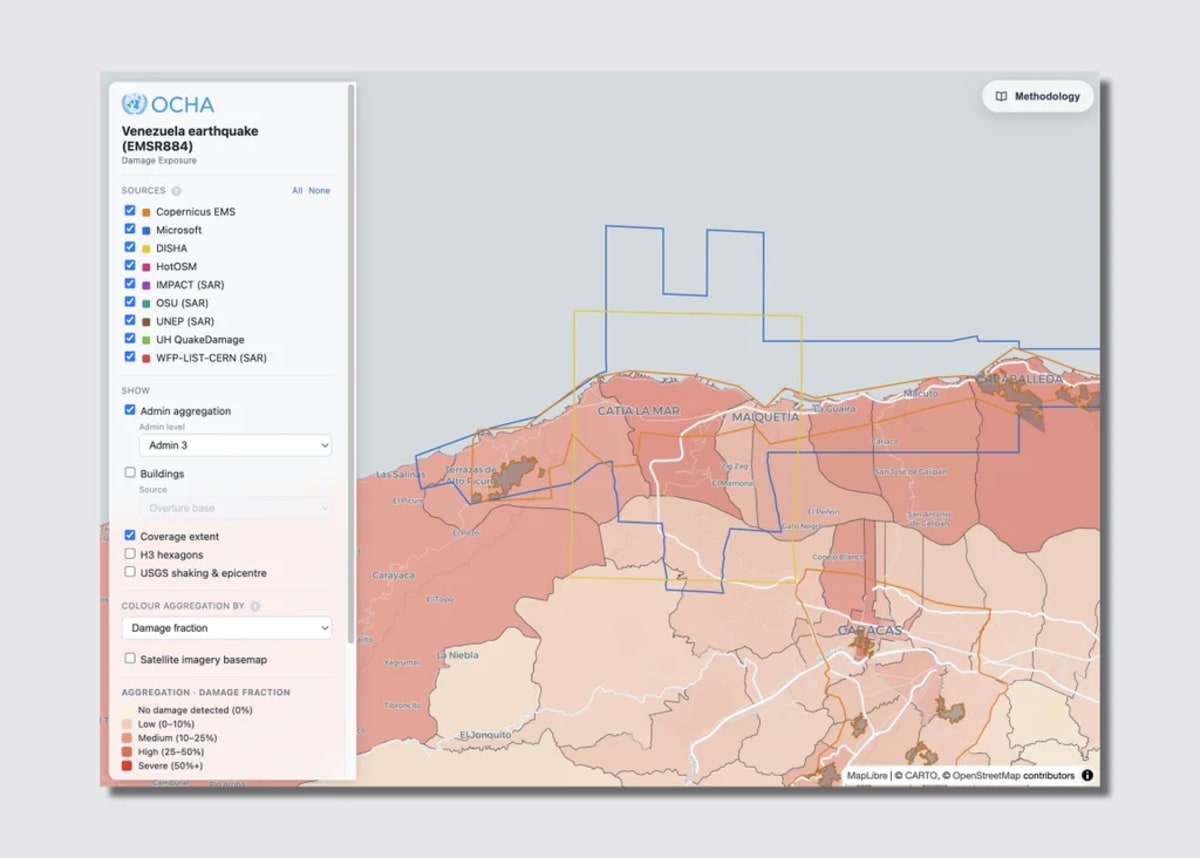
GiveDirectly used AI tools to analyze satellite images and identify the hardest-hit neighborhoods within minutes of the disaster. The nonprofit combined this data with poverty information, then sent teams on the ground to verify the results and post flyers inviting families to apply for help.
The approach represents a shift for humanitarian work at a time when the sector faces billions in funding cuts. Organizations are discovering that AI can help them do more with less, reaching vulnerable people faster without replacing the human touch that makes aid effective.
Mercy Corps now uses AI to help analysts prepare disaster reports in half the time. Instead of spending days gathering security data, displacement numbers, and news in multiple languages, their internal tool does the mechanical research while experts focus on making critical decisions.
"It doesn't replace our analysts," says Nayid Orozco, AI solutions and delivery manager at Mercy Corps. "It takes care of that mechanical work or repetitive research, so they can spend more time using their expertise."
The International Rescue Committee takes a similar approach to help displaced families. When teams need to vaccinate children in areas where populations have suddenly shifted, AI analyzes satellite data to show where people have moved and creates routes that work even when roads are blocked.
Why This Inspires
These tools aren't replacing aid workers. They're giving them superpowers.
Human volunteers still verify AI results, health workers still give vaccines, and local teams still connect with families face to face. The technology simply handles the time-consuming detective work of figuring out where help is needed most, freeing people to do what they do best: showing up with compassion when others need it.
In Venezuela, that meant survivors got cash assistance weeks faster than traditional responses would allow. For families sleeping in tents after losing their homes, those extra weeks of waiting could mean the difference between finding shelter or going hungry.
As disasters become more frequent and funding grows tighter, this partnership between human expertise and artificial intelligence offers a path forward that serves more people faster.
More Images

Based on reporting by Fast Company - Innovation
This story was written by BrightWire based on verified news reports.
Spread the positivity!
Share this good news with someone who needs it