AI Helps Save 76 Endangered Orcas from Underwater Noise
An AI system listens for endangered orca calls 24/7 and alerts Seattle ships to slow down or pause construction, giving the world's last 76 southern resident orcas a fighting chance. The technology has already detected the whales on 19 days this year.
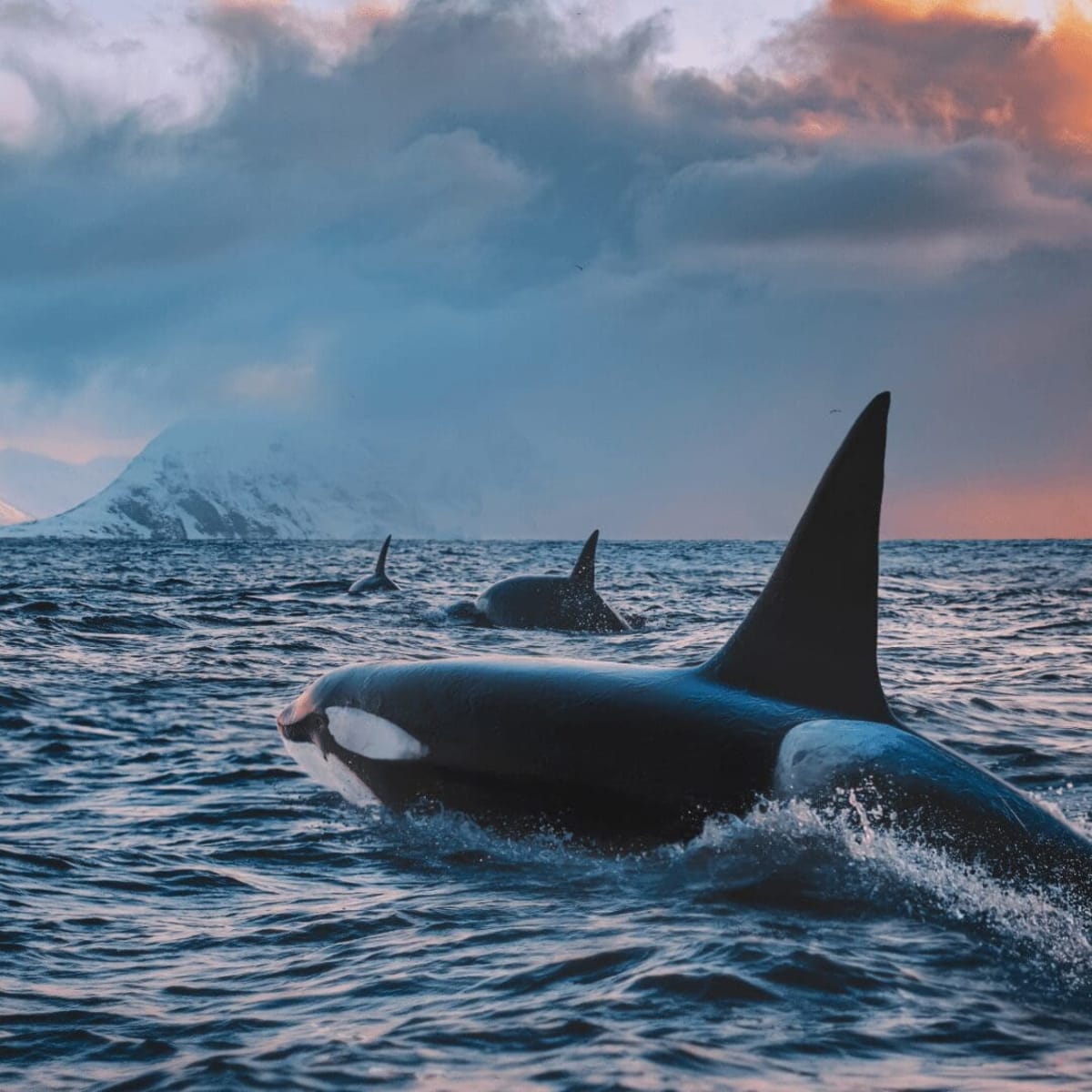
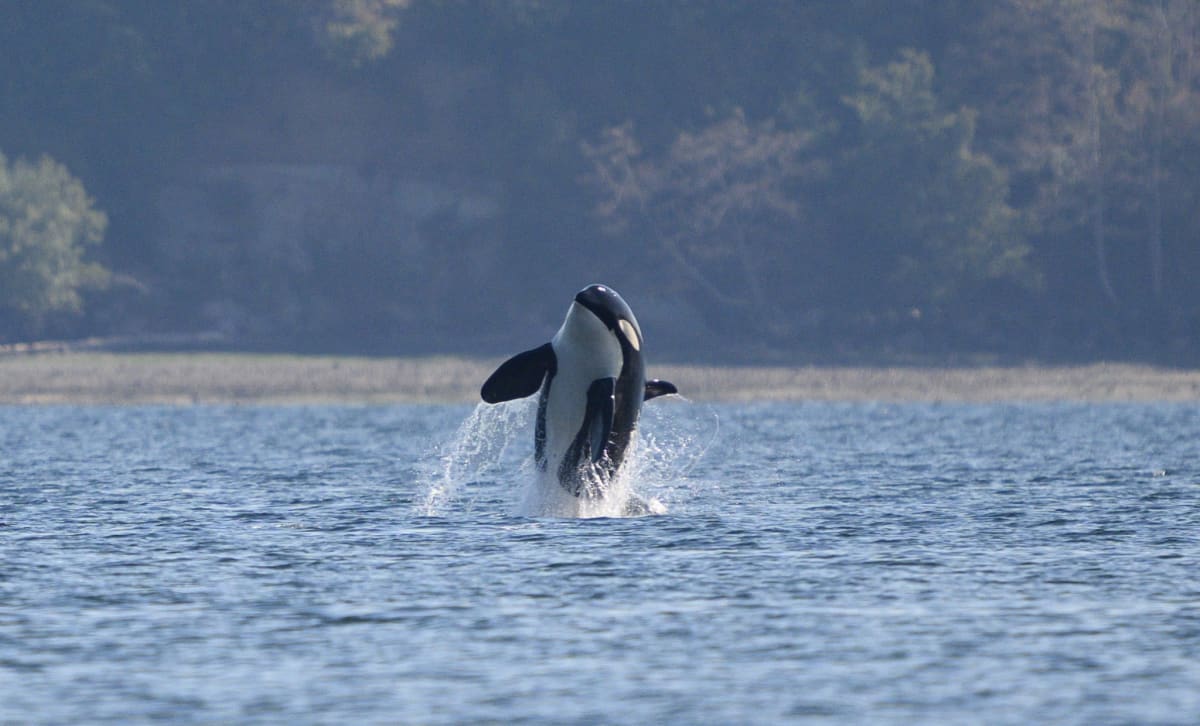
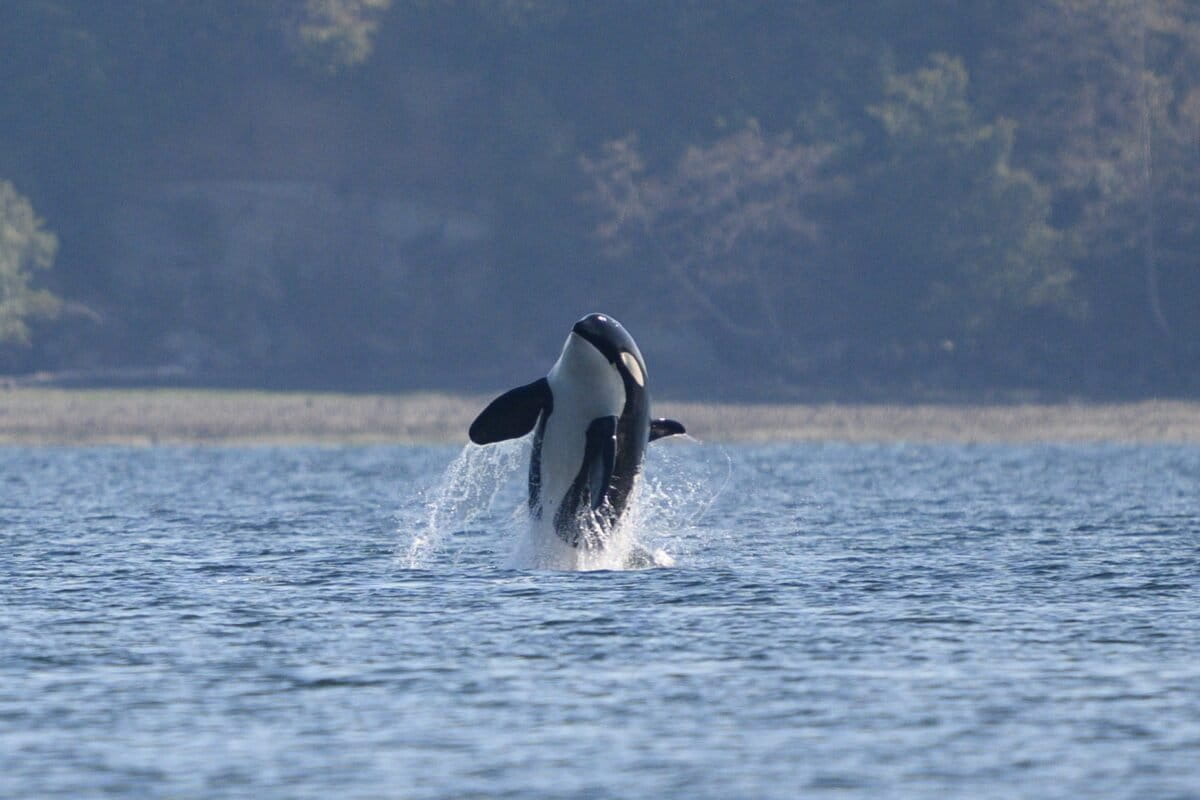
Only 76 southern resident orcas remain in the wild, but artificial intelligence is helping protect every single one by listening for their calls and reducing the underwater noise that threatens their survival.
The endangered orcas live in the Salish Sea between Washington State and western Canada, where constant vessel traffic creates a deadly problem. These whales rely on clicks and echolocation to hunt fish and find their pod members, but ship noise drowns out their communication.
The numbers tell a stark story. A typical modern ship raises underwater sound levels by 12 to 17 decibels, and since the decibel scale isn't linear, a 10-decibel increase means sound intensity jumps tenfold. For every extra decibel of noise, the orcas' odds of catching prey drop by 12.5%.
Enter OrcaHello, an AI tool born from a 2019 hackathon that now monitors underwater audio around the clock. The system uses machine learning trained specifically on southern resident orca calls to detect when the three remaining pods approach busy waterways.
When OrcaHello picks up orca sounds, it immediately alerts the Port of Seattle, Washington State Ferries, and the Quiet Sound program. Ships slow down and noisy pile-driving construction pauses until the whales pass safely through.
"It's a real-time AI alert system that's listening 24/7 for orca calls," says co-developer Akash Mahajan. His colleague Prakruti Gogia explains that when construction is underway and an alert sounds, experts tell the port to stop work while the whales are nearby.
The Ripple Effect
This coordinated response shows how technology can bridge the gap between human activity and wildlife protection. The system doesn't require people to constantly monitor audio feeds or orcas to change their migration patterns. It simply creates breathing room for endangered animals in their own habitat.
So far this year, the AI has detected southern resident orca calls on 19 separate days, meaning the system has likely triggered dozens of vessel slowdowns and construction pauses. Each pause gives the orcas clearer water to hunt, communicate, and survive in an increasingly noisy ocean.
Sound travels faster and farther underwater than in air, which means every ship that slows down helps the whales across a wider area than you might expect. The three pods can hear each other better, hunt more successfully, and navigate more safely through waters they've called home for generations.
Technology built in a single weekend is now standing guard for 76 irreplaceable lives.
More Images
Based on reporting by Mongabay
This story was written by BrightWire based on verified news reports.
Spread the positivity!
Share this good news with someone who needs it