Texas Releases a Million Eggs to Save Endangered Toad
Wildlife experts just released over a million Houston toad eggs into a Texas state park, hoping to bring back a species that vanished after a devastating 2011 wildfire. It's the first step in a bold five-year plan to restore America's first endangered amphibian.
A crew of biologists recently carried more than a million tiny Houston toad eggs into Bastrop State Park, east of Austin, on a mission to bring back a species that's been missing for over a decade.
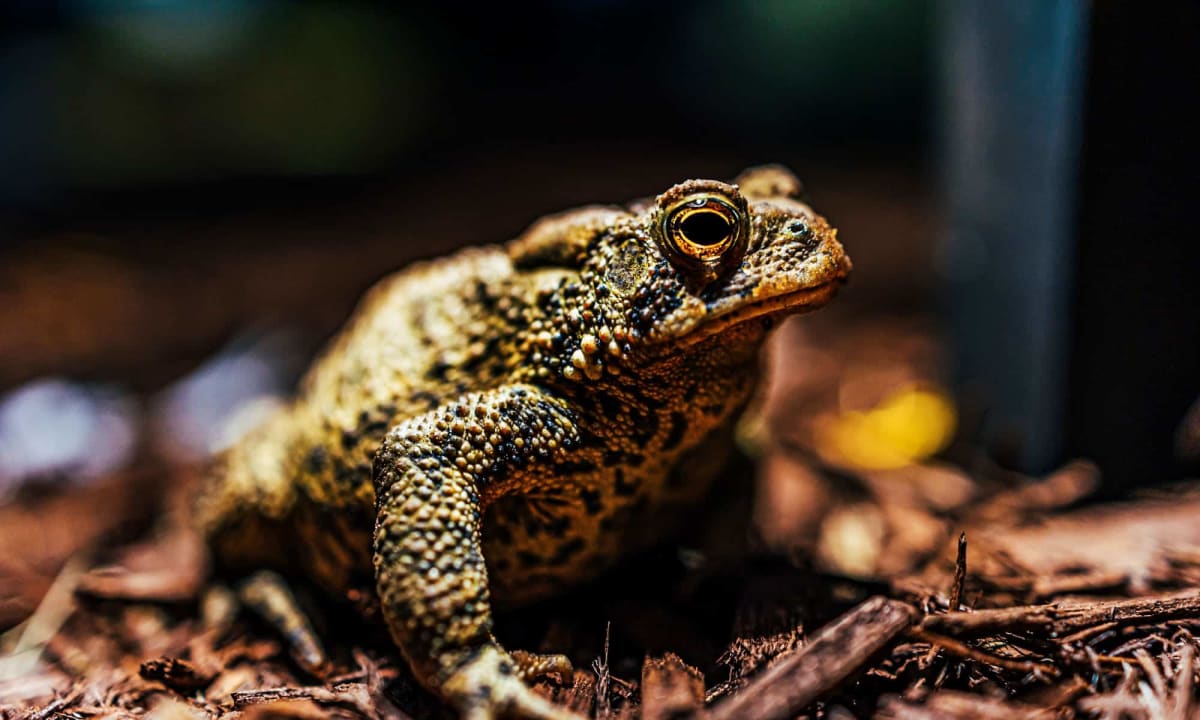
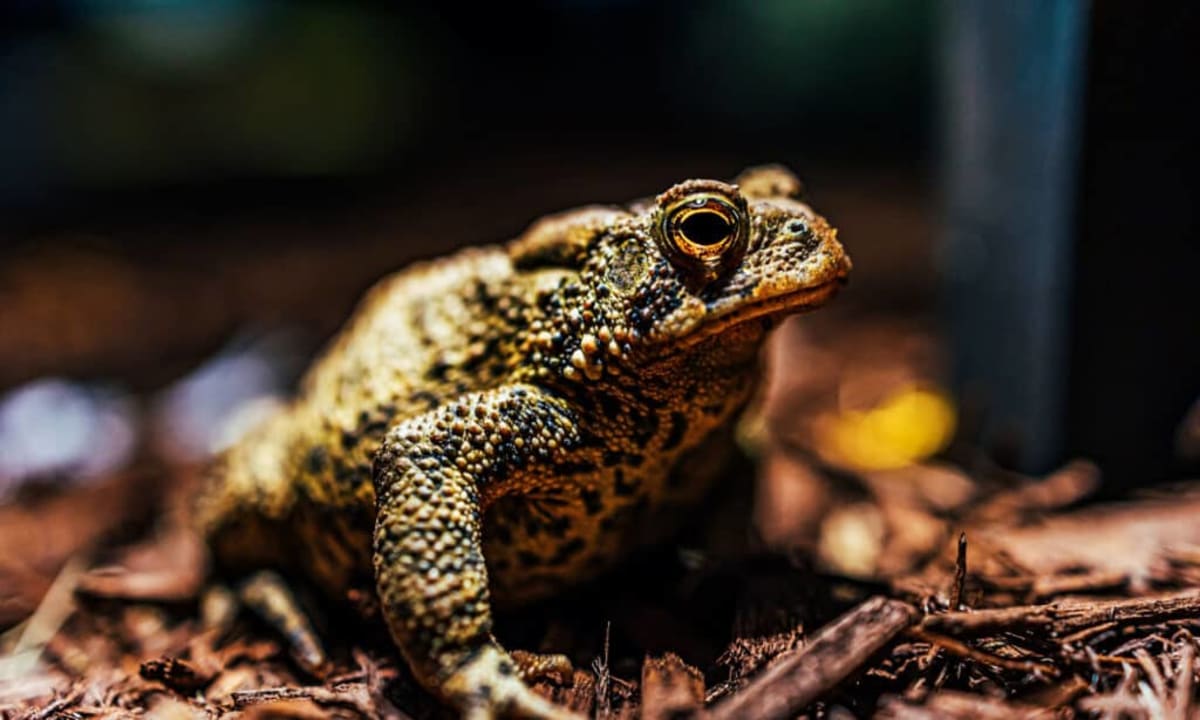
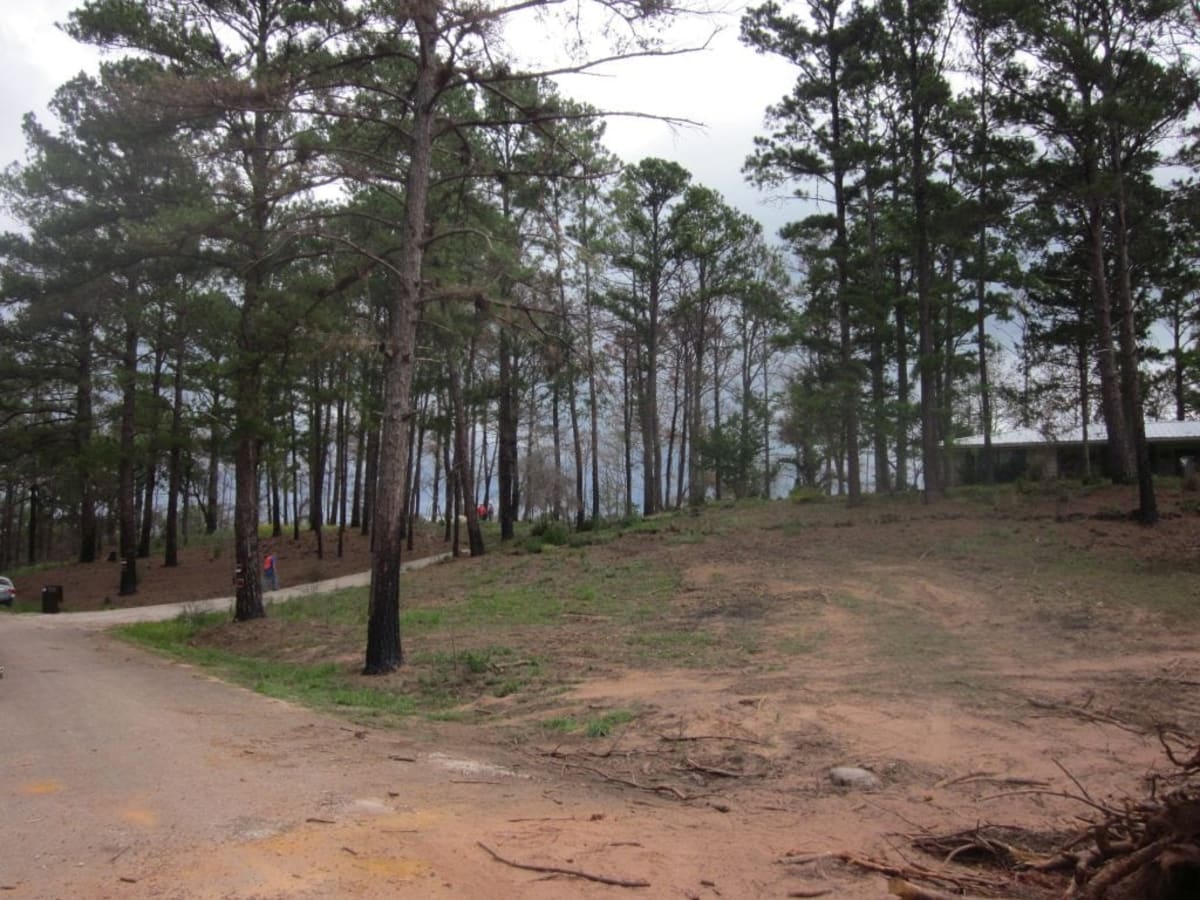
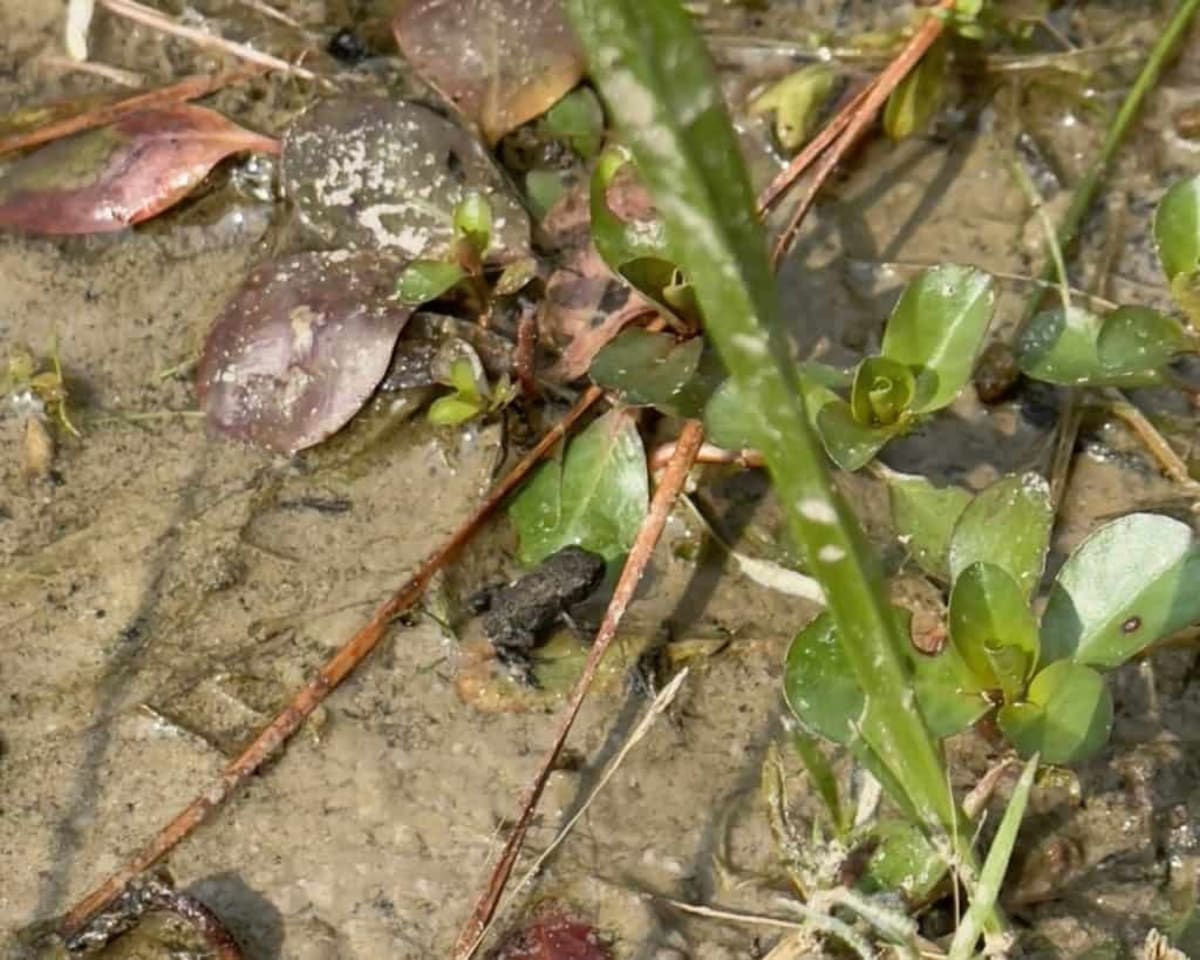
The Houston toad was the first amphibian ever listed under the U.S. Endangered Species Act back in 1970. These small toads, maxing out at just 3.5 inches long, disappeared from Bastrop after an intense wildfire scorched 36,000 acres in 2011.
Two previous attempts to reintroduce the toads in 2015 and 2019 didn't work. But this time, a partnership between the Houston Zoo, Texas Parks and Wildlife, the Amphibian and Reptile Conservancy, and the U.S. Fish and Wildlife Service is thinking bigger and longer term.
"With only one release, it can be a coin flip whether enough individuals survive long enough to maintain a population," says Zach Truelock, a biologist with the Amphibian and Reptile Conservancy. The team plans to release eggs every year for five years to boost the chances of success.
About 90 percent of the world's remaining Houston toads now live safely at the Houston Zoo, where they're bred each season. But a species that exists only behind glass isn't truly wild, which is why getting them back into Texas forests matters so much.
Houston toads need pine and oak forests with deep sandy soil to survive. They burrow into the sand during hot, dry months and breed in shallow wetlands that collect rainfall. When trees get cut down, the habitat dries out and becomes unlivable.
Bastrop State Park is getting a makeover to give the toads their best shot. Staff are conducting controlled burns, thinning tree canopies, removing invasive species, and fighting off threats like red fire ants and feral pigs that destroy the forest floor.
The Bright Side
A million eggs might sound like overkill, but only about five percent of pond-breeding amphibian eggs survive to adulthood under normal conditions. The tiny toadlets that make it face predators at every turn as they grow.
What makes this effort different is the commitment to keep trying. One release isn't enough. Five years of consistent habitat restoration and egg releases could finally tip the scales toward recovery.
"The suitability of the habitat is one of the most important factors in recovering Houston toads," Truelock explains. Bastrop State Park is now considered critical habitat, and the active management happening there shows what's possible when people dedicate themselves to bringing a species back.
These warty little toads with their distinctive 20-second trilling calls might just get their second chance at survival in the Texas wild.
More Images

Based on reporting by Google: species saved endangered
This story was written by BrightWire based on verified news reports.
Spread the positivity!
Share this good news with someone who needs it