Haiti Teams Collect Native Seeds for National Reforestation
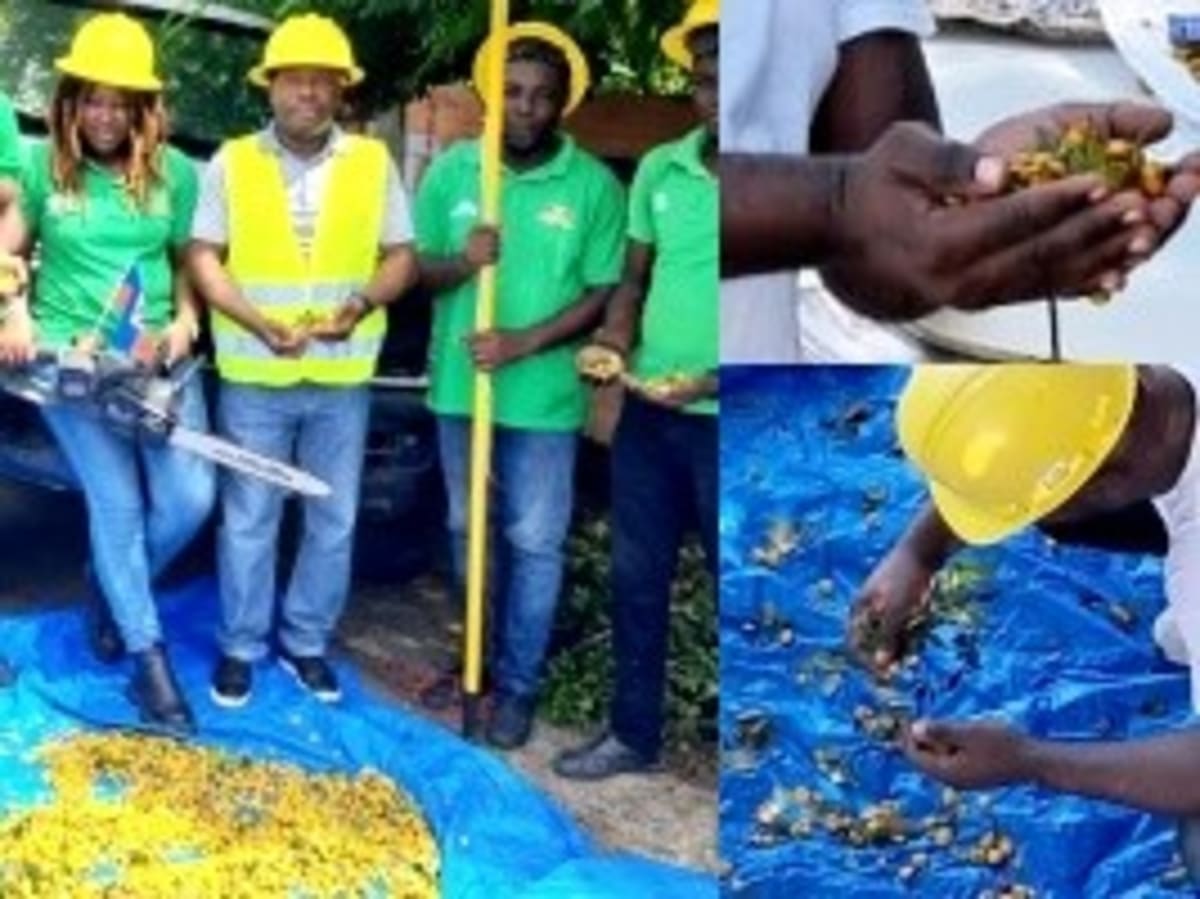
Environmental teams in Haiti are gathering seeds from endangered native trees to restore the country's forests with species perfectly suited to local conditions. The initiative has already collected over 125 kilograms of mahogany and guaiac seeds that will grow into thousands of seedlings.
Haiti is building its future forests one seed at a time, and the approach is making conservation experts optimistic about the country's ecological recovery.
Teams from Haiti's Ministry of Environment are fanning out across the Northeast region to collect seeds from two precious native species: local mahogany and guaiac trees. These aren't just any trees. They're endemic species that evolved alongside Haiti's climate and soil, making them natural champions for survival and forest restoration.
The collection effort happening in Carrefour Chivry and Fort-Liberté represents something bigger than a simple planting campaign. It's a strategic shift toward using local solutions for local problems, ensuring that future forests can thrive without constant human intervention.
Technicians leading the project aren't just grabbing any seeds they find. They're following strict guidelines that consider fruit quality, tree health, vegetation density, and whether they can safely access the areas where the best specimens grow. This careful approach means every seed collected has the highest chance of becoming a strong, healthy tree.
The results speak volumes about the dedication involved. In just days, teams filled more than two large bags weighing 63 kilograms each with carefully selected seeds. That translates to thousands of future trees waiting to take root across Haiti's landscape.
Agronomist Eder Audate, who heads the forestry department, praised the technical teams for their commitment to this environmental operation. Their work supports both immediate reforestation goals and long-term biodiversity preservation, creating benefits that will compound over decades.
The Ripple Effect
The choice to use native seeds rather than importing foreign species creates cascading benefits for Haiti's environment. Local trees require less water, resist regional pests better, and support native wildlife that depends on them for food and shelter. As these forests mature, they'll provide watershed protection, prevent soil erosion, and offer sustainable timber resources for communities.
Environment Minister Valéry Fils-Aimé champions this local-first approach because imported species often struggle in Haiti's unique conditions. Native seeds produce seedlings already programmed to handle the country's rainfall patterns, soil composition, and temperature swings. It's nature's own insurance policy against planting failure.
The collected seeds now enter nurseries where they'll spend several months developing into robust seedlings. Once ready, they'll be distributed across Haiti's reforestation sites, giving communities throughout the country a stake in rebuilding their natural heritage.
Haiti's commitment to restoring its forests using its own genetic resources shows that sustainable solutions often grow closest to home.
Based on reporting by Google News - Reforestation
This story was written by BrightWire based on verified news reports.
Spread the positivity!
Share this good news with someone who needs it