AI Makes Night Vision Cameras 20 Times More Sensitive
Scientists used artificial intelligence to design a new sensor material inspired by how snakes see in the dark, making infrared cameras dramatically more powerful. The breakthrough could transform everything from self-driving cars to virus detection systems.
Researchers at South Korea's UNIST just cracked a major challenge in thermal imaging by teaching AI to design sensors that work like snake eyes.
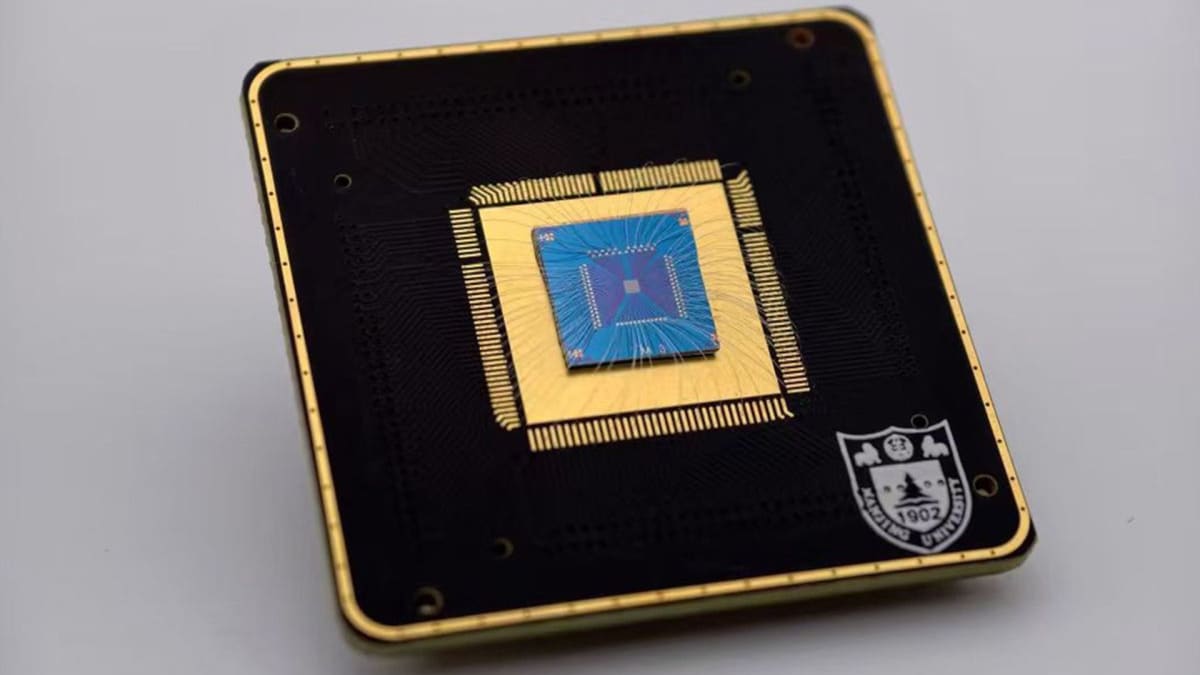
Pit vipers hunt in total darkness using special organs that detect the faintest heat signatures of prey. Now, scientists led by Professors Changhee Sohn and Hyeong-Ryeol Park have created a sensor material that mimics this natural superpower, making infrared cameras more than 20 times better at detecting temperature changes.
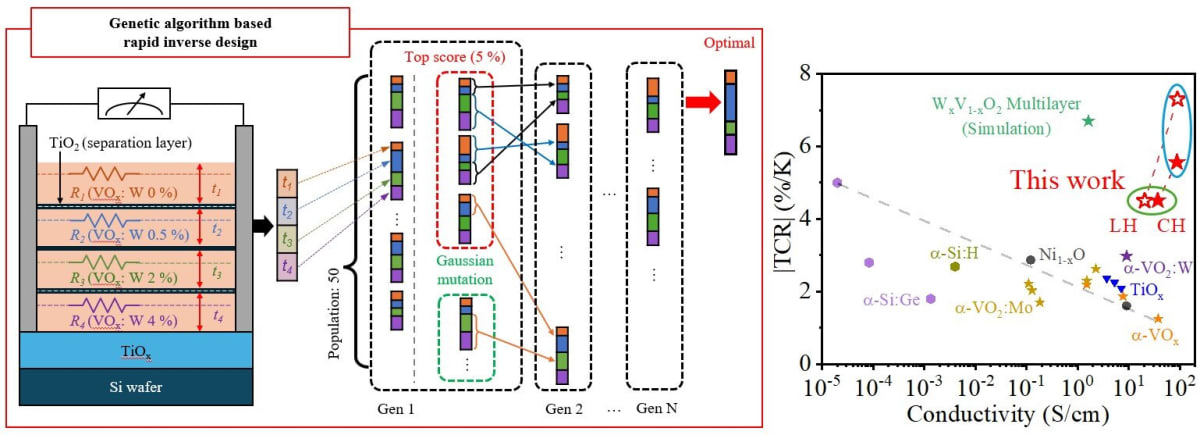
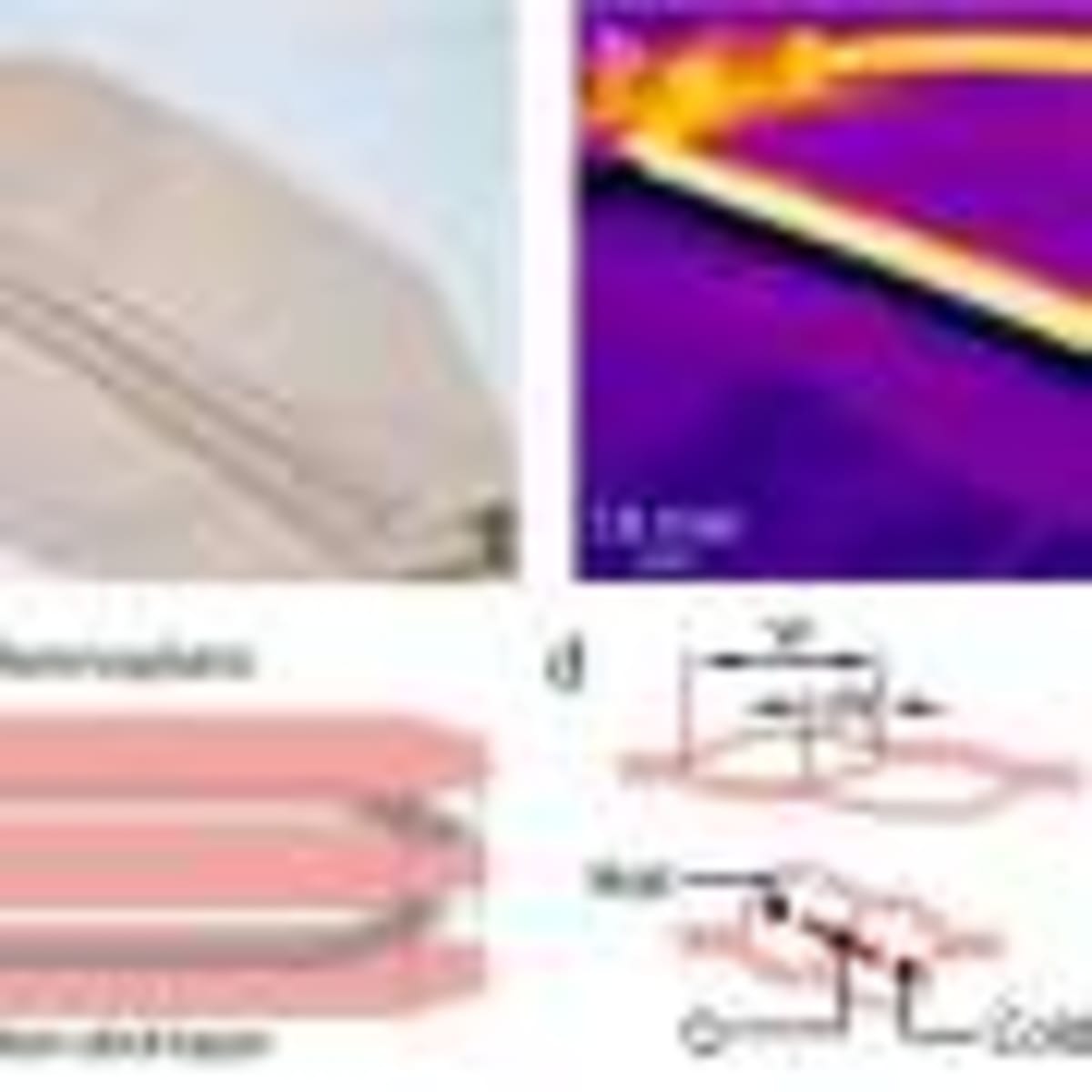
The team focused on vanadium dioxide, a material known for changing its electrical resistance when temperatures shift. By stacking four ultra-thin layers of this material with precise amounts of tungsten added to each layer, they created a sensor that responds to the tiniest temperature variations without the signal problems that plagued previous designs.
Here's where it gets impressive. With over 1.3 million possible ways to arrange these layers, testing each combination manually would take centuries. Instead, the researchers used a genetic algorithm, an AI system inspired by evolution, that tested and refined designs until it found the winner in just months.
The new sensor achieved a temperature sensitivity three times higher than current commercial materials. Even better, the overall performance jumped by a factor of 23.6 when accounting for both sensitivity and signal stability, meaning the readings are not just stronger but far more reliable.
The Ripple Effect
This advancement arrives at a perfect time for industries pushing the boundaries of autonomous technology. Self-driving cars need excellent night vision to navigate safely after dark. Drones conducting search and rescue operations or monitoring wildlife depend on thermal cameras that work in any lighting condition.
The sensor's manufacturing process adds another layer of promise. The team can produce these multilayer films at just 300 degrees Celsius, low enough to work with existing semiconductor factories without damaging other components. Previous vanadium dioxide sensors required temperatures above 500 degrees, making them impractical for mass production.
Professor Sohn points to applications beyond transportation, including large-scale thermal monitoring systems that could detect fever in crowds for early virus outbreak warnings. Security systems, industrial inspection tools, and medical imaging devices could all benefit from sensors that see temperature differences more clearly.
The research, published in Advanced Science, demonstrates how AI can compress decades of materials research into manageable timeframes. Lead researcher Jin-Hyun Choi and Dr. Hyoung-Taek Lee emphasize that their optimized designs can go straight from computer simulation to manufacturing, skipping years of trial and error.
The next generation of thermal cameras won't just see better in the dark—they'll see heat signatures we've been missing all along.
More Images

Based on reporting by Phys.org - Technology
This story was written by BrightWire based on verified news reports.
Spread the positivity!
Share this good news with someone who needs it