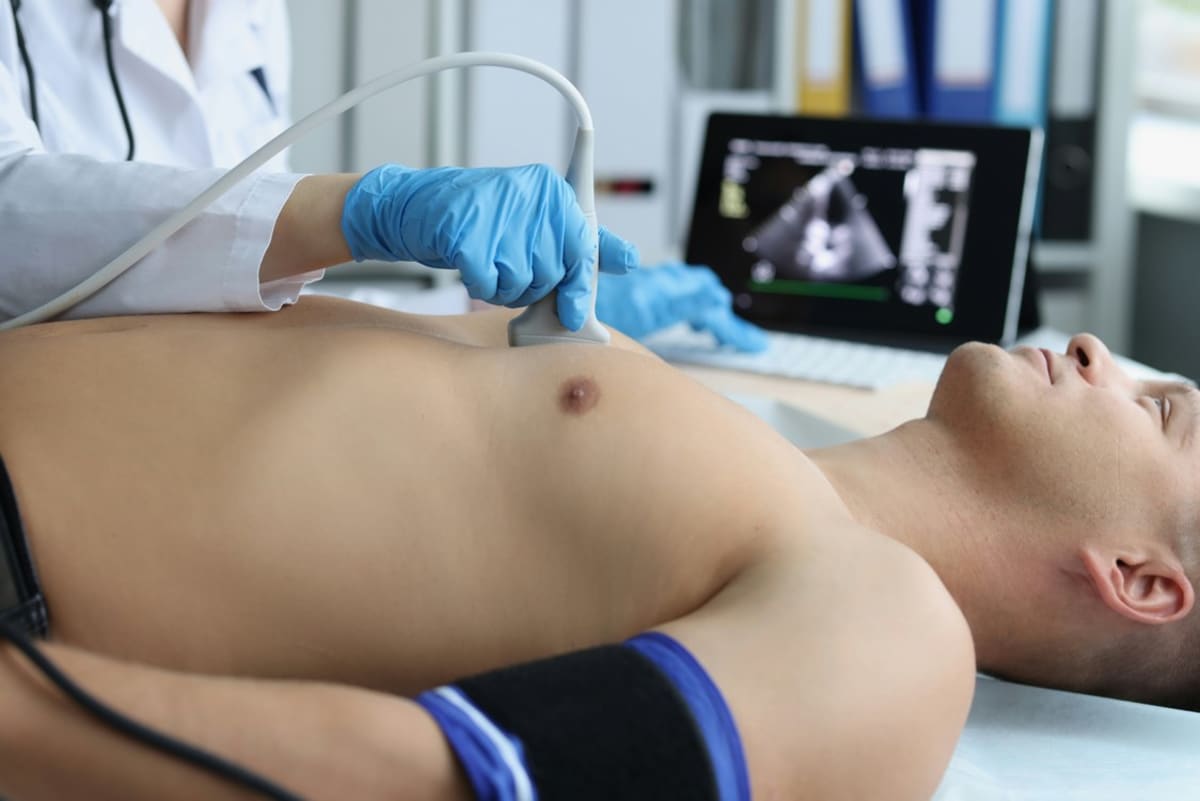
AI Model Beats Doctors in Emergency Room Decisions
A Harvard study found AI outperformed human doctors on complex medical reasoning tasks, especially in emergency rooms where quick decisions save lives. Researchers say the technology could help reduce diagnostic errors and improve patient care worldwide.
Artificial intelligence just proved it can match doctors in one of medicine's toughest challenges: making life-or-death decisions in the emergency room.
Researchers at Harvard Medical School tested OpenAI's reasoning model against human physicians across hundreds of clinical scenarios. The AI outperformed doctors in diagnosing patients, recommending treatments, and deciding next steps in care.
The biggest win came during triage, that critical first moment when patients arrive at the ER with limited information available. While both AI and human doctors improved as they learned more about each patient, the technology showed stronger reasoning skills when time and data were scarce.
Professor Arjun Manrai, who led the study, tested the AI against virtually every medical benchmark. The model eclipsed both previous AI systems and the physician baselines across emergency room decisions, clinical documentation, and patient management advice.
The team at Beth Israel Deaconess Medical Center gave the AI real emergency department records and published medical cases. At each stage of care, from arrival through admission decisions, they fed the system only what a human doctor would know at that exact moment.
The Bright Side
This breakthrough could transform healthcare for millions who lack access to specialists. Diagnostic errors cost lives and billions of dollars every year, and AI tools might help bridge that gap in underserved communities.
The researchers emphasized that higher test scores don't automatically mean better patient care. A model might nail the diagnosis but recommend unnecessary tests that could harm patients. That's why they're calling for real-world trials before hospitals widely adopt these tools.
Dr. Peter Brodeur, clinical fellow at Beth Israel Deaconess, stressed that humans must remain the ultimate judges of performance and safety. The technology should support doctors, not replace the human judgment that catches potential problems an algorithm might miss.
Healthcare systems now need to invest in the computing power and safety frameworks that can support AI integration. The team noted their study focused on one AI model, and newer versions like OpenAI's o3 will need similar rigorous testing.
The researchers believe humans and AI working together could achieve even better results than either alone, combining the technology's processing power with human wisdom and experience to deliver the best possible care.
More Images


Based on reporting by Euronews
This story was written by BrightWire based on verified news reports.
Spread the positivity!
Share this good news with someone who needs it