AI Narrows Search for First Moon Lander After 60 Years
Scientists are finally closing in on Luna 9, the Soviet spacecraft that made history as the first object to safely land on the moon in 1966. Two research teams, including one using AI trained on Apollo landing sites, may have pinpointed where the beach ball-sized probe has been hiding for six decades.
After 60 years of mystery, we might finally know where humanity's first successful moon lander ended up.
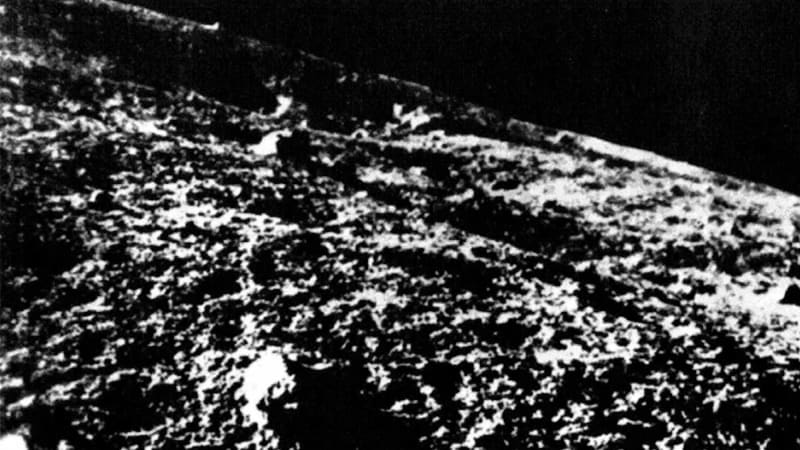
Luna 9 made history on February 3, 1966, becoming the first spacecraft to safely touch down on another world. The Soviet probe landed in Oceanus Procellarum on the moon's western edge and sent back the first images ever captured from the lunar surface.
Those grainy photos answered a crucial question that had scientists worried. Some researchers feared the moon's surface might be too soft to support spacecraft or future astronauts, but Luna 9's images revealed solid ground that could safely hold humans.
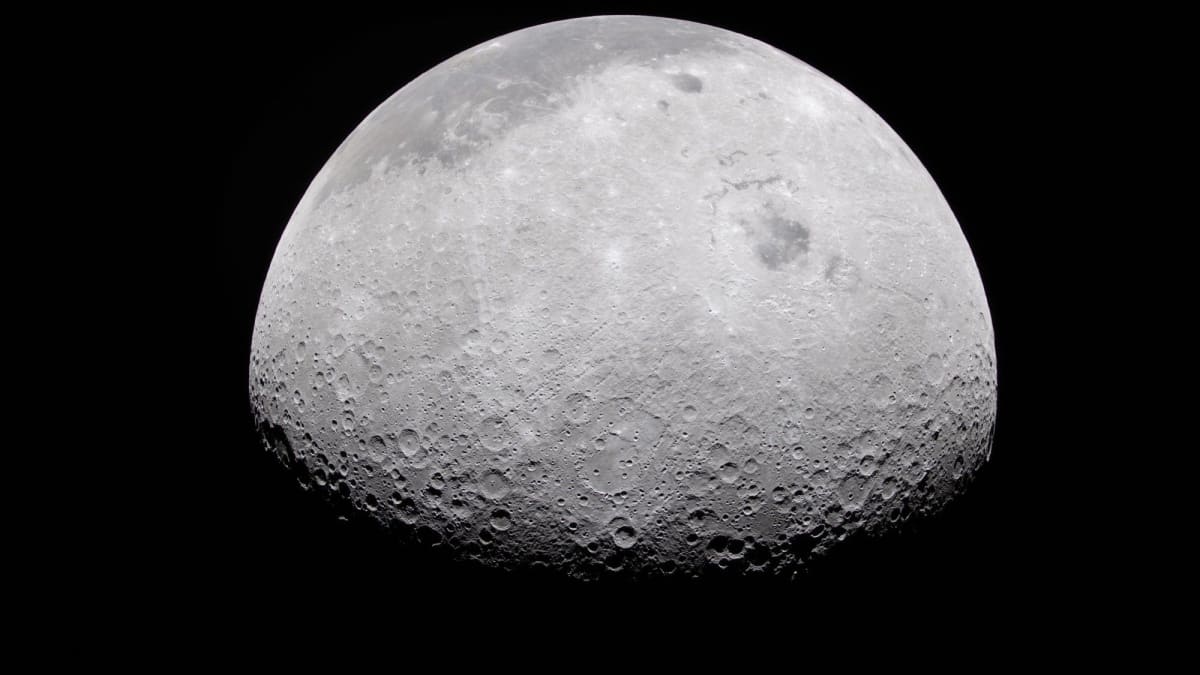
Despite that groundbreaking achievement, nobody has been able to pinpoint exactly where the beach ball-sized lander came to rest. NASA's Lunar Reconnaissance Orbiter has mapped nearly the entire moon in stunning detail since 2009, but Luna 9 is so tiny it blends in with the rocks and shadows dotting the lunar landscape.
Now two independent teams think they've cracked the case. One group, led by Lewis Pinault at University College London, trained an artificial intelligence system using images from Apollo landing sites where every piece of hardware is documented. The AI learned to spot spacecraft features in orbital photos, then searched the Luna 9 region for similar patterns.
Their candidate site sits about 3 miles from the Soviet Union's original coordinates. The other team, led by science communicator Vitaly Egorov, crowdsourced the search and found a different spot roughly 15 miles away. Both locations fall within the original 60-mile-wide search area, which was based on imprecise radio tracking from Earth.
Why This Inspires
This search represents more than just finding a lost piece of metal. Luna 9 opened the door to human space exploration at a time when landing on the moon seemed impossibly dangerous.
The probe's unusual landing method scattered multiple pieces of hardware across the surface. A spherical capsule wrapped in inflatable airbags bounced several times before settling and unfolding four petal-like panels, like a metallic flower blooming on the moon.
India's Chandrayaan-2 orbiter will fly over both candidate sites in March with a camera capable of capturing sharper images than NASA's orbiter. Those photos should reveal which team, if either, found the historic lander.
The combination of human curiosity, crowdsourced detective work, and cutting-edge AI shows how new technology can help us reconnect with our past achievements and honor the pioneers who made our space age possible.
More Images
Based on reporting by Space.com
This story was written by BrightWire based on verified news reports.
Spread the positivity!
Share this good news with someone who needs it