China Unites Moon Programs, Sets 2030 Landing Goal
China is merging its robotic and human spaceflight programs into one unified effort to land astronauts on the moon by 2030. The integration brings together decades of expertise from both programs to accelerate the nation's lunar exploration timeline.
China just announced a major shift in how it's approaching one of humanity's boldest goals: returning people to the moon. The country is combining its successful Chang'e robotic missions with its human spaceflight program into a single integrated Lunar Exploration Program.
Zhang Jingbo from the China Manned Space Agency made the announcement at a pre-launch event in May. The new structure will unite missions, resources, and teams that previously operated separately. "We will spare no effort to strive for the goal of achieving the first Chinese landing on the moon by 2030," Zhang said.
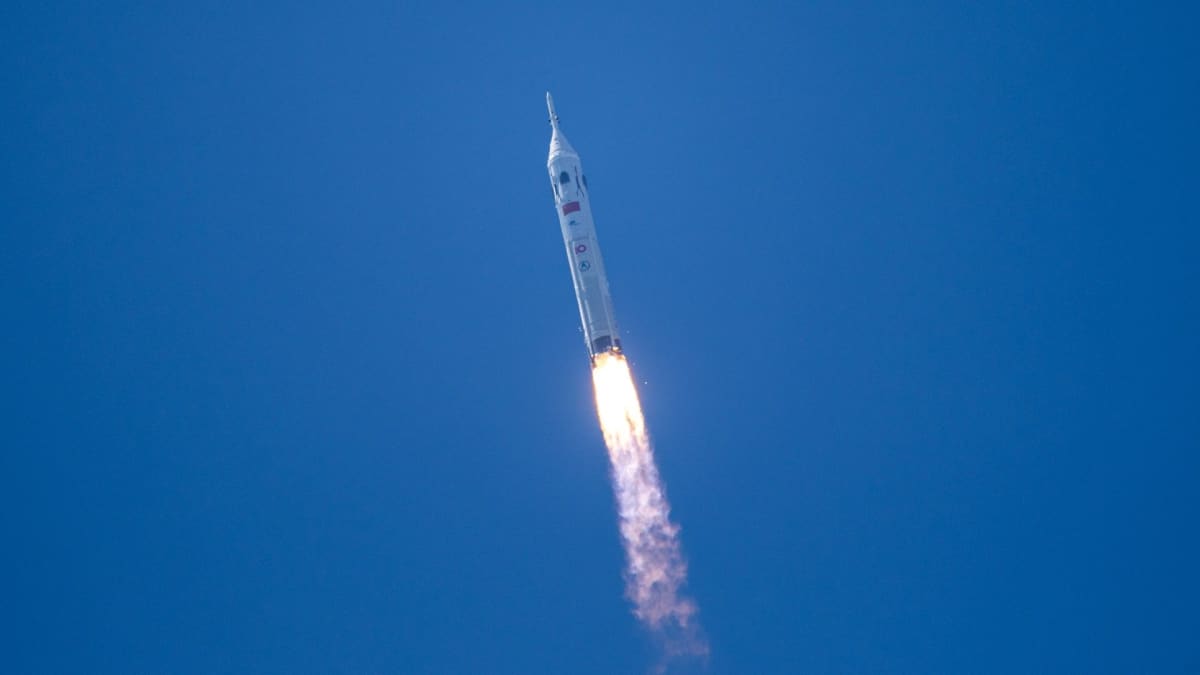
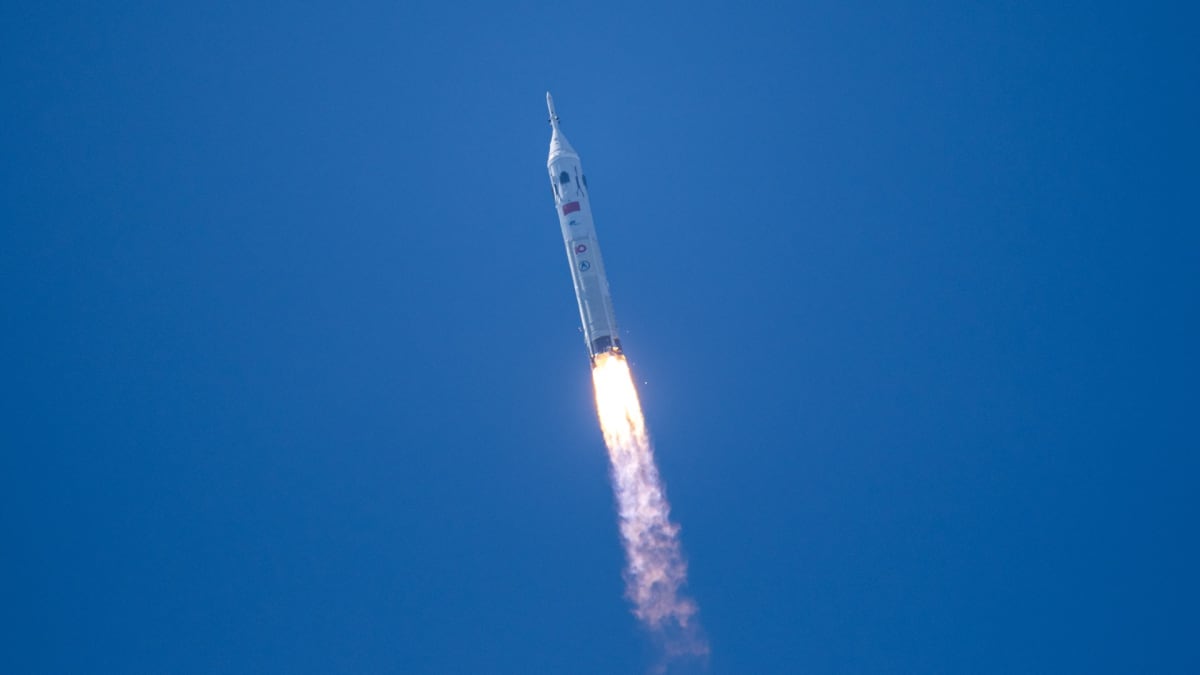
The foundation for this ambitious timeline is already being built. China recently completed low-altitude tests of its Long March-10 rocket and safety tests of the Mengzhou spacecraft, which will carry astronauts to lunar orbit. These systems are designed to be reusable, making future missions more sustainable.
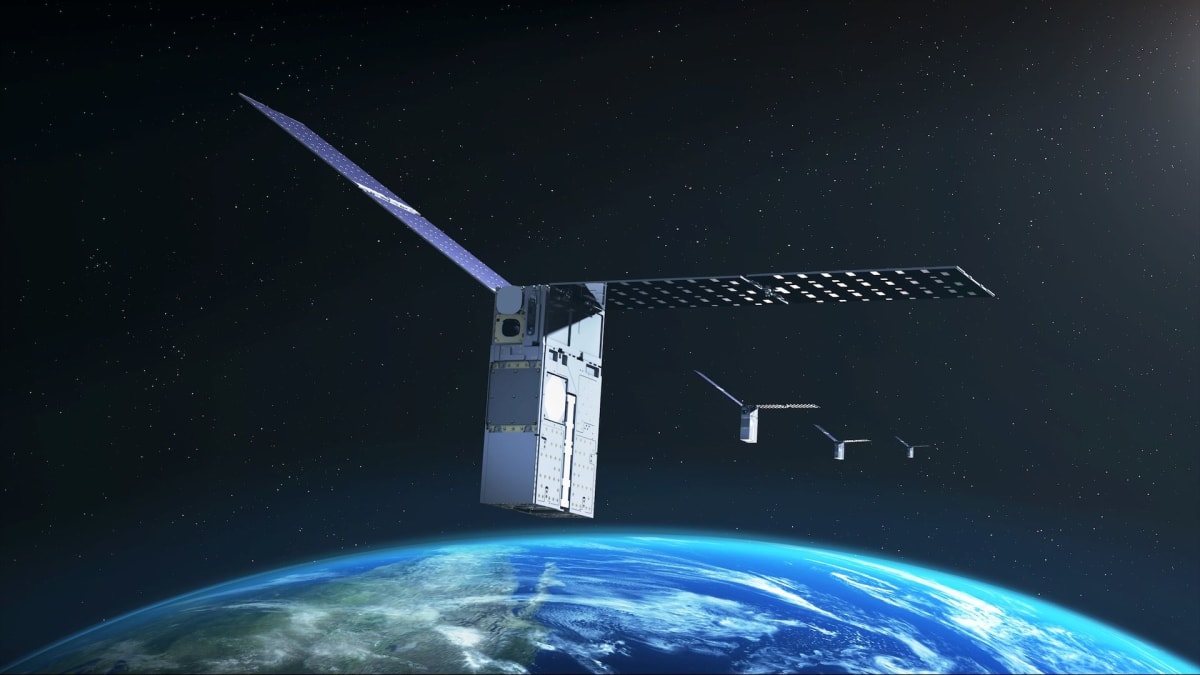
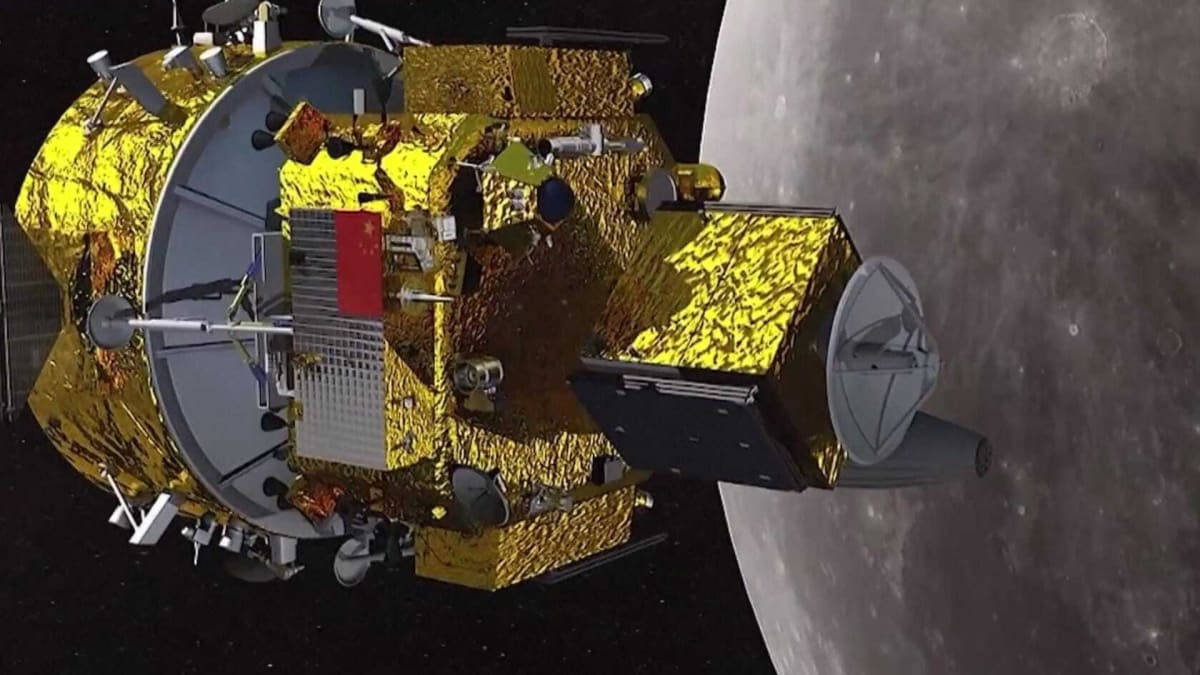
On the robotic side, the Chang'e-7 mission is preparing for launch this August. It will explore the lunar south pole using an orbiter, lander, rover, and even a hopping vehicle to study the region's environment and resources.
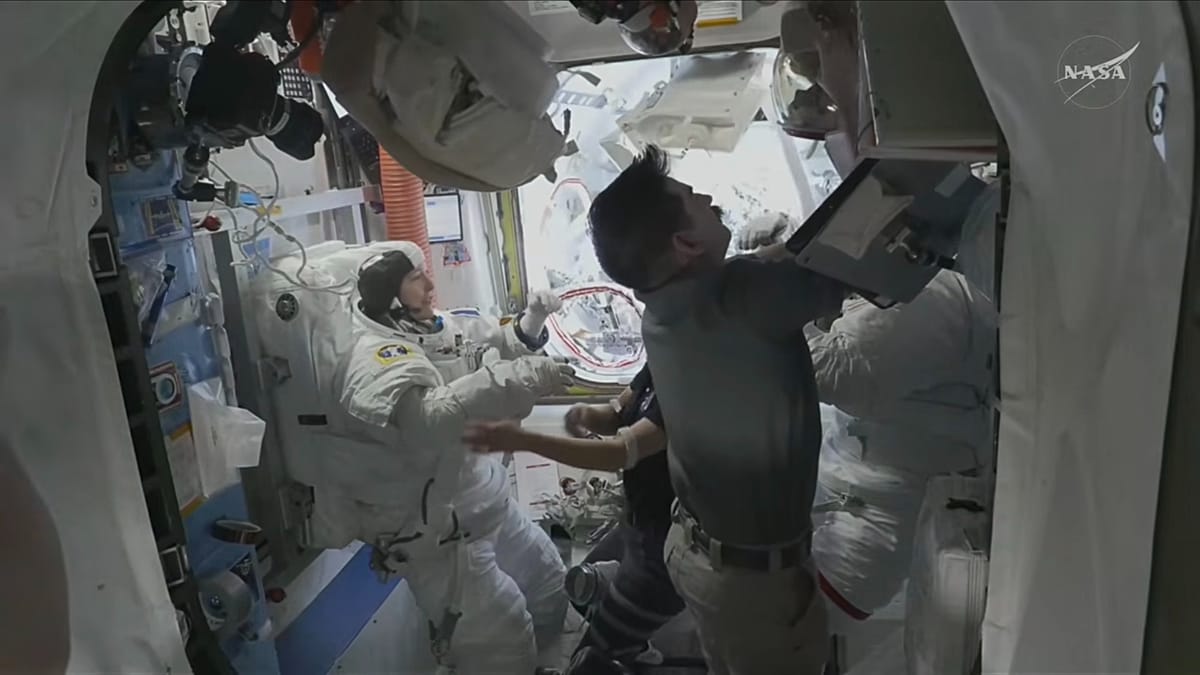
China's Tiangong Space Station is playing a crucial role in preparing for moon missions. The station has been testing key technologies for nearly four years, including how liquids behave in tanks during spaceflight and new solar cell designs for future lunar bases. These experiments directly support the technical requirements for landing humans safely on the moon.
The integration goes deeper than just combining programs. Missions using the Long March-10A rocket and Mengzhou spacecraft at the space station will verify systems before they're used for lunar trips. This approach allows China to improve safety and reliability through real-world testing in orbit.
The Ripple Effect
This unified approach creates a talent pipeline that benefits both programs simultaneously. Astronauts who've completed space station missions will form the pool of candidates for lunar exploration. A three-person crew is planned, with two astronauts expected to walk on the lunar surface.
The merger also means innovations developed for one program can quickly benefit the other. Lightweight solar panels tested on the space station could power future lunar bases. Navigation systems proven on robotic missions can guide human landers.
International cooperation remains part of the plan, with Chang'e-7 carrying experiments from partner nations. This collaborative spirit extends China's reach while sharing the benefits of lunar science with the global community.
The convergence of these two successful programs represents a practical evolution in space exploration strategy. By breaking down organizational silos, China is creating a faster path to achieving what only one other nation has accomplished: safely landing humans on another world.
More Images

Based on reporting by Space.com
This story was written by BrightWire based on verified news reports.
Spread the positivity!
Share this good news with someone who needs it