
SpaceX Fires All 33 Engines, Flight 13 Set for Next Week
SpaceX just completed a successful 25-second test fire of its upgraded Starship booster, clearing the path for the massive rocket's 13th test flight as early as July 15. The new Version 3 rocket packs more power and fuel capacity, bringing NASA's moon landing missions one step closer to reality.
The world's most powerful rocket just roared to life in Texas, and it's ready to fly again in less than a week.
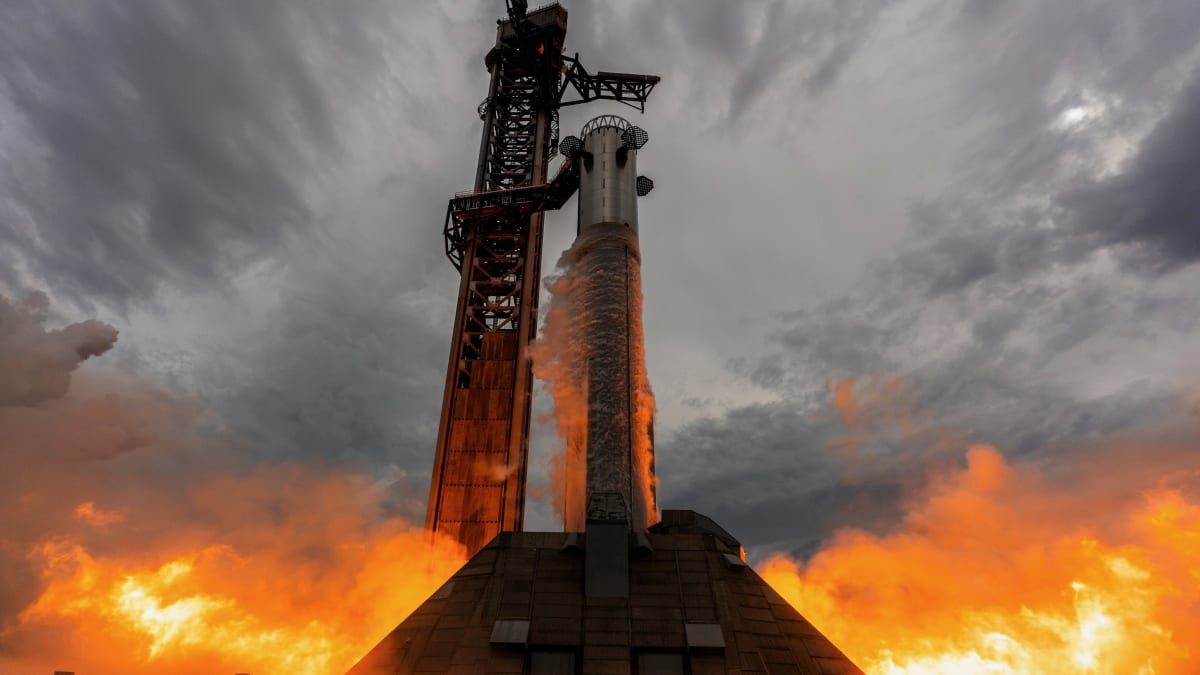
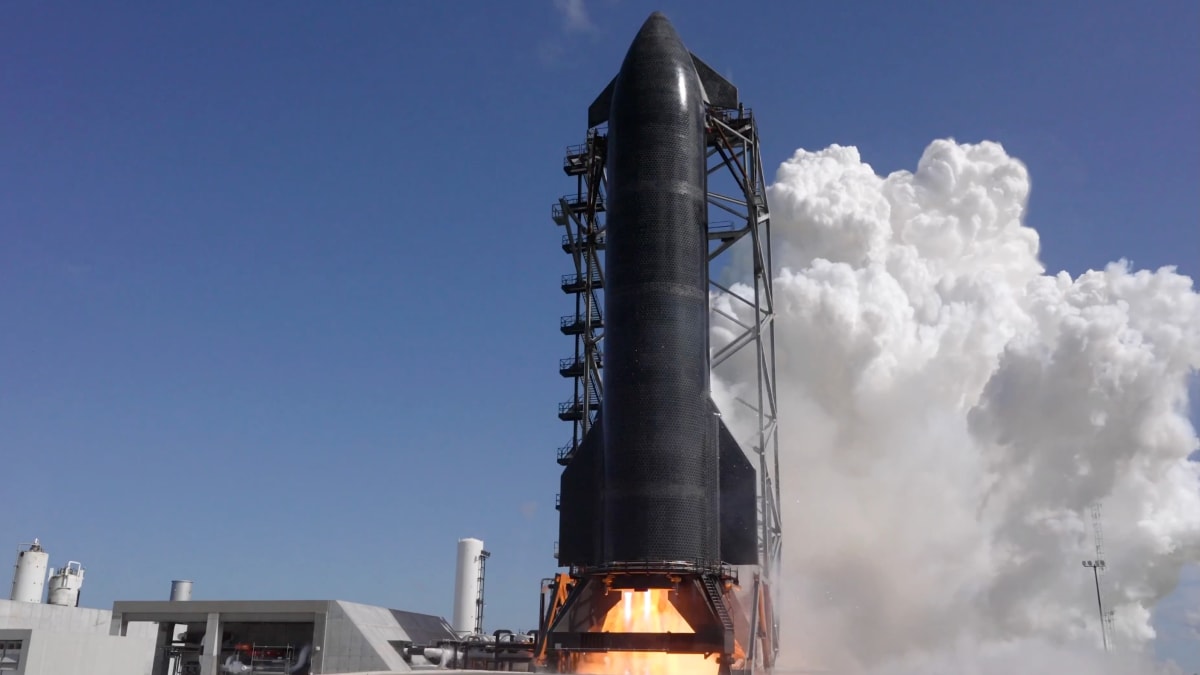
SpaceX ignited all 33 engines on its newest Super Heavy booster Friday morning at its Starbase facility, completing a crucial prelaunch test that simulates actual flight conditions. The 25-second burn went off without a hitch, paving the way for Starship's 13th test flight as early as Wednesday, July 15.
This isn't just another test flight. Booster 20 represents SpaceX's upgraded Version 3 rocket, which comes packed with significant improvements over earlier models. The new design features enhanced avionics to reduce weight, a taller fuel tank holding more propellant, and special equipment for transferring fuel between spacecraft in orbit.
That last feature matters more than it might sound. Refueling in space will be essential for many of Starship's planned missions, including trips to the moon and Mars.
SpaceX is racing against the clock to perfect Starship for NASA's Artemis program, which aims to return astronauts to the lunar surface. The space agency has contracted Starship as one of two lunar landers, so every successful test brings moon missions closer to reality.
Flight 13 will follow the same mission plan as Flight 12, which launched in May with partial success. The upcoming mission will send the upper stage on a suborbital path ending with a soft splashdown in the Indian Ocean. Meanwhile, the Super Heavy booster will attempt its own controlled ocean landing.
SpaceX is working toward catching both stages back at the launch pad using giant mechanical arms nicknamed "Mechazilla." The company has already succeeded in catching several Version 2 boosters and has even relaunched some of them, but catching and reusing the upper stage remains an unsolved challenge.
The Ripple Effect
Starship's progress affects far more than just SpaceX's ambitions. The fully reusable rocket is designed to deliver over 100 tons to low Earth orbit at a fraction of current costs, potentially revolutionizing access to space.
That could mean faster deployment of internet satellites connecting remote communities, more frequent science missions unlocking mysteries of our solar system, and eventually regular trips to the moon and Mars. SpaceX's Falcon 9 rockets already launch several times a month, and one booster recently broke records by completing its 36th flight.
The company is applying those hard-won lessons about reusability to Starship, though the upper stage presents unique challenges. Unlike the booster, which lands vertically like Falcon 9, the spacecraft falls through the atmosphere belly-first before flipping upright at the last moment for touchdown.
Each test brings SpaceX closer to making Starship fully operational, transforming what once seemed like science fiction into routine reality.
More Images
Based on reporting by Space.com
This story was written by BrightWire based on verified news reports.
Spread the positivity!
Share this good news with someone who needs it


